

Kettlebells have emerged as one of the most versatile strength training tools available for fitness enthusiasts looking to maximize results in minimal time. Unlike traditional barbells or dumbbells, kettlebells feature a unique design where the rounded weight sits beneath the handle, making them ideal for dynamic movements that engage multiple muscle groups simultaneously. For shoppers considering adding kettlebells to their home gym setup, understanding what these tools can accomplish is essential before making a purchase decision.
Why Kettlebells Stand Out for Full Body Training
The appeal of kettlebell workouts lies in their efficiency. A single kettlebell or pair of kettlebells can target your entire body: arms, legs, chest, back, core, and posterior chain all benefit from the movements these implements enable. This comprehensive engagement makes kettlebells particularly valuable for time-conscious exercisers who want meaningful results from shorter sessions. The rounded weight design allows for swings, snatches, presses, and carries from various positions that would be awkward or impossible with conventional dumbbells.
Beyond traditional strength work, kettlebells have opened the door to flow-based training, a less rigid approach to exercise that combines multiple movements in continuous sequences. This training modality adds variety and enjoyment to workouts while maintaining serious conditioning benefits. For shoppers deciding between equipment options, understanding this flexibility matters because it extends the longevity and appeal of your investment.
Short, Intense Kettlebell Workout Options
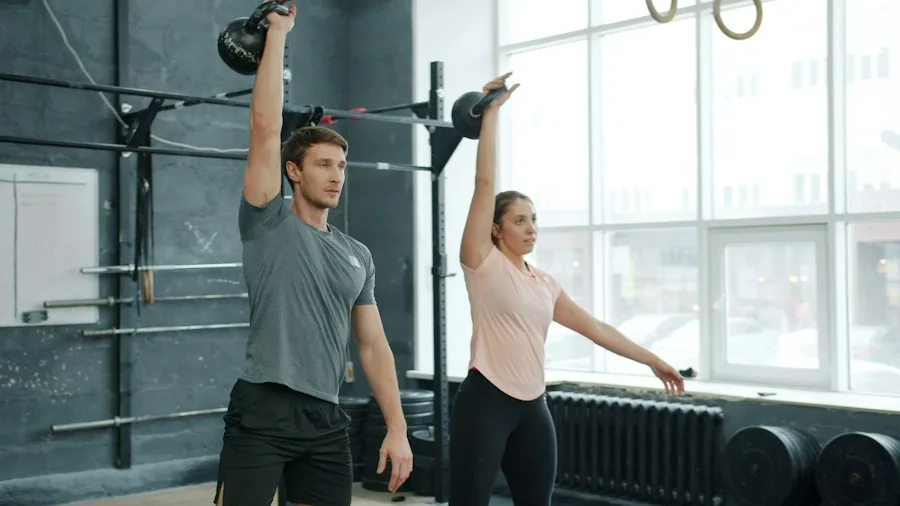
One major advantage kettlebells offer consumers is the ability to complete effective workouts in remarkably short timeframes. A five-minute descending ladder workout stacks up 120 total repetitions using just two kettlebells and four fundamental movements: front rack squats, push presses, alternating reverse lunges, and bent-over rows. Beginners start with 10 reps of each exercise, then progress through subsequent rounds with two fewer reps until time expires.
Another compact option is the two-exercise hell workout, which requires only one kettlebell and a five-minute timer to challenge your shoulders, back, and core. This workout splits into ascending and descending rep schemes based on your individual effort level, making it scalable for various fitness backgrounds. The kettlebell clean to push press and single-arm gorilla row form the foundation of this high-intensity approach.
For those interested in lower body emphasis, an eight-minute swing-to-squat circuit uses just one weight to push posterior chain muscles to their limit. The workout alternates between kettlebell swings and goblet squats with a 2 to 1 work-to-rest ratio, completing four rounds of progressively increasing reps. When you’re evaluating kettlebell products, recognizing that a single quality weight can deliver serious results helps justify the investment.
Advanced Training Methodologies
More experienced kettlebell users can progress to sophisticated training structures. An EMOM (every minute on the minute) ladder and hold workout distributes five minutes across different movement patterns: clean-to-squat ladders, isometric split squat holds, and single-kettlebell rack squats. This approach develops both explosive strength and muscular endurance in one session.
The ultimate swings and thrusters EMOM combines just two explosive movements to spike heart rate while building power, completing in roughly five minutes. Buyers interested in high-intensity interval training will appreciate how kettlebells facilitate these time-efficient protocols. An eight-minute swing conditioning session uses three variations of the kettlebell swing with 30-second work intervals, making hip extension and explosive power accessible to most fitness levels.
Core Development and Flow Training
Kettlebells excel at building core strength through dynamic movements. A six-move core sequence from kettlebell training specialists includes bridge-to-situps, two-step getups, Russian twists, pullover-to-situps, kettlebell hollow rocks, and side-to-side v-ups. Each movement takes 40 seconds of work followed by 20 seconds of rest, completed for multiple rounds.
The structured kettlebell flow represents a different training philosophy, moving through a set pattern of movements rather than accumulating reps of individual exercises. This approach includes squat lifts to goblet squats, squat returns, bottoms-up holds, overhead tricep extensions, and double-bell lunge cleans. Completing five reps per set for ten sets provides a complete workout emphasizing movement quality and control. Before purchasing kettlebells, shoppers should consider whether they prefer traditional rep-based training or more flowing, continuous movement patterns, as both deliver results through different mechanisms.
When selecting your first kettlebell or adding to an existing collection, consider investing in quality products that will withstand regular use. Whether you choose quality workout shorts to pair with your training or focus on foundational strength equipment, starting with a single kettlebell is practical and cost-effective. The variety of workouts possible with this single tool makes it an excellent value compared to requiring multiple machines or equipment pieces. Most shoppers find that adding kettlebells to their training rotation delivers faster results in less time than their previous strength routines.






Write Your Review
No reviews yet. Be the first to share your experience!