


New Research Reveals the Mental Health Benefits of Moderate Coffee Drinking
A major long-term study tracking nearly half a million adults has uncovered compelling evidence that moderate coffee consumption may help reduce the risk of developing depression and anxiety disorders. Researchers affiliated with Fudan University examined data from over 461,000 participants in the UK Biobank over a median period of 13.4 years, identifying more than 36,000 new cases of mood and stress disorders during that time. The findings, published in the Journal of Affective Disorders, suggest that coffee drinkers who stick to a specific amount daily may experience meaningful mental health benefits.
The Sweet Spot: Two to Three Cups Per Day
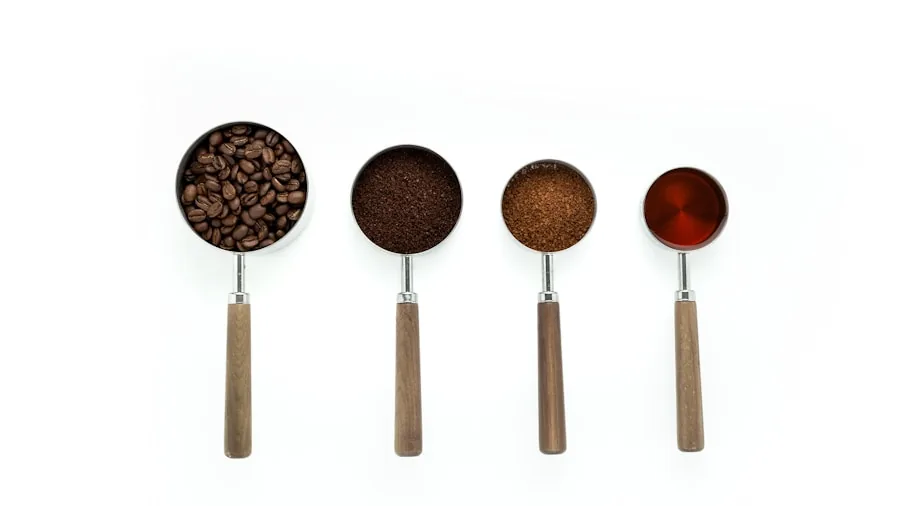
The study revealed a J-shaped relationship between daily coffee intake and mental health outcomes. This means that the risk of developing depression or anxiety was lowest among people who consumed two to three cups of coffee daily. Both non-drinkers and those who consumed larger quantities faced higher risks compared to the moderate group. Importantly, the type of coffee did not matter for these benefits. Whether participants drank caffeinated coffee, decaffeinated varieties, ground coffee, or instant coffee, the same protective pattern emerged.
This finding is particularly noteworthy because it suggests that the mental health benefits of coffee may extend beyond caffeine alone. The fact that decaffeinated coffee showed similar results indicates that other compounds in coffee, such as polyphenols and chlorogenic acid, may play a significant role in supporting mental wellness. For consumers looking to choose high-quality coffees that align with health goals, this research provides reassurance that moderate consumption can be part of a wellness routine.
Who Benefits Most From Coffee
The protective effects of moderate coffee consumption were not uniform across all groups. The association with mood disorder reduction was more pronounced in men than in women, which researchers attributed to differences in how men and women metabolize caffeine. For stress disorders specifically, the benefits were most noticeable in adults over 60 years old and in those who reported sleeping seven to eight hours per night. The connection to sleep duration is significant because sleep quality directly influences stress-related health conditions, suggesting that coffee may work best as part of a broader healthy lifestyle.
Genetic differences in caffeine metabolism did not appear to influence the results. This means that whether someone is genetically predisposed to metabolize caffeine quickly or slowly, the two to three cup threshold seemed to provide consistent benefits. This finding simplifies the picture for shoppers, as it suggests that individual genetic variation should not determine coffee consumption choices.
What This Means for Coffee Shoppers

For consumers considering their daily coffee intake, this research provides actionable guidance. Rather than avoiding coffee or drinking excessive amounts, aiming for two to three cups daily appears to strike the optimal balance for mental health support. Those interested in investing in quality brewing equipment to make consistently excellent coffee can feel confident that their daily cup serves both pleasure and potential wellness purposes.
The study adds to a growing body of research examining coffee’s mental health benefits. Previous studies have similarly found associations between two to three cups of instant coffee daily and reduced depression risk, though findings for anxiety have been more mixed. Additionally, laboratory research has suggested that caffeine may help prevent stress-related depression by supporting the gut-brain axis, a bidirectional communication system between the digestive system and brain.
Considering Individual Circumstances
While the research is encouraging, it is important to recognize that this was an observational study, which means it identified associations rather than proving cause-and-effect relationships. Individual responses to coffee vary based on factors like overall health, medications, and personal sensitivity to caffeine. People who experience sleep disruption from coffee, have anxiety disorders already, or take certain medications should consult healthcare providers about their personal coffee consumption.
For those exploring sustainable and climate-resilient coffee options, this research reinforces that choosing quality beans to consume in moderation can align with both personal health and environmental values. The key takeaway is that moderate, intentional coffee consumption may offer mental health benefits without requiring expensive supplements or lifestyle overhauls.
As with any health-related findings, these results are best viewed as part of the broader picture of mental wellness, which includes sleep, exercise, social connection, and professional support when needed. For coffee lovers, however, the news is encouraging: enjoying two to three cups daily may contribute to a healthier, more resilient mind.





Write Your Review
No reviews yet. Be the first to share your experience!