

The Case Against Traditional Lawns
Maintaining a healthy lawn requires constant attention and significant resources. Homeowners spend countless hours mowing, fertilizing, applying pesticides, and watering to keep grass lush and green. Water consumption alone can drive utility bills up substantially, especially in drier regions. Beyond cost, traditional turf grass monocultures provide little ecological value: they don’t feed local pollinators, birds, or insects, and they occupy valuable yard space without supporting native habitats.
If you’re considering whether a lawn is truly worth the upkeep, you’re not alone. Many property owners are now evaluating alternatives that demand less maintenance while delivering greater visual interest and environmental benefits.
Why Rock Gardens with Ornamental Grasses Make Sense
A rock garden, also called a rockery, represents a form of xeriscaping that can reduce outdoor water consumption by 50 percent or more. By combining drought-tolerant plants with moisture-retaining mulch and thoughtful stone placement, you create a landscape that looks striking while requiring minimal irrigation and maintenance.
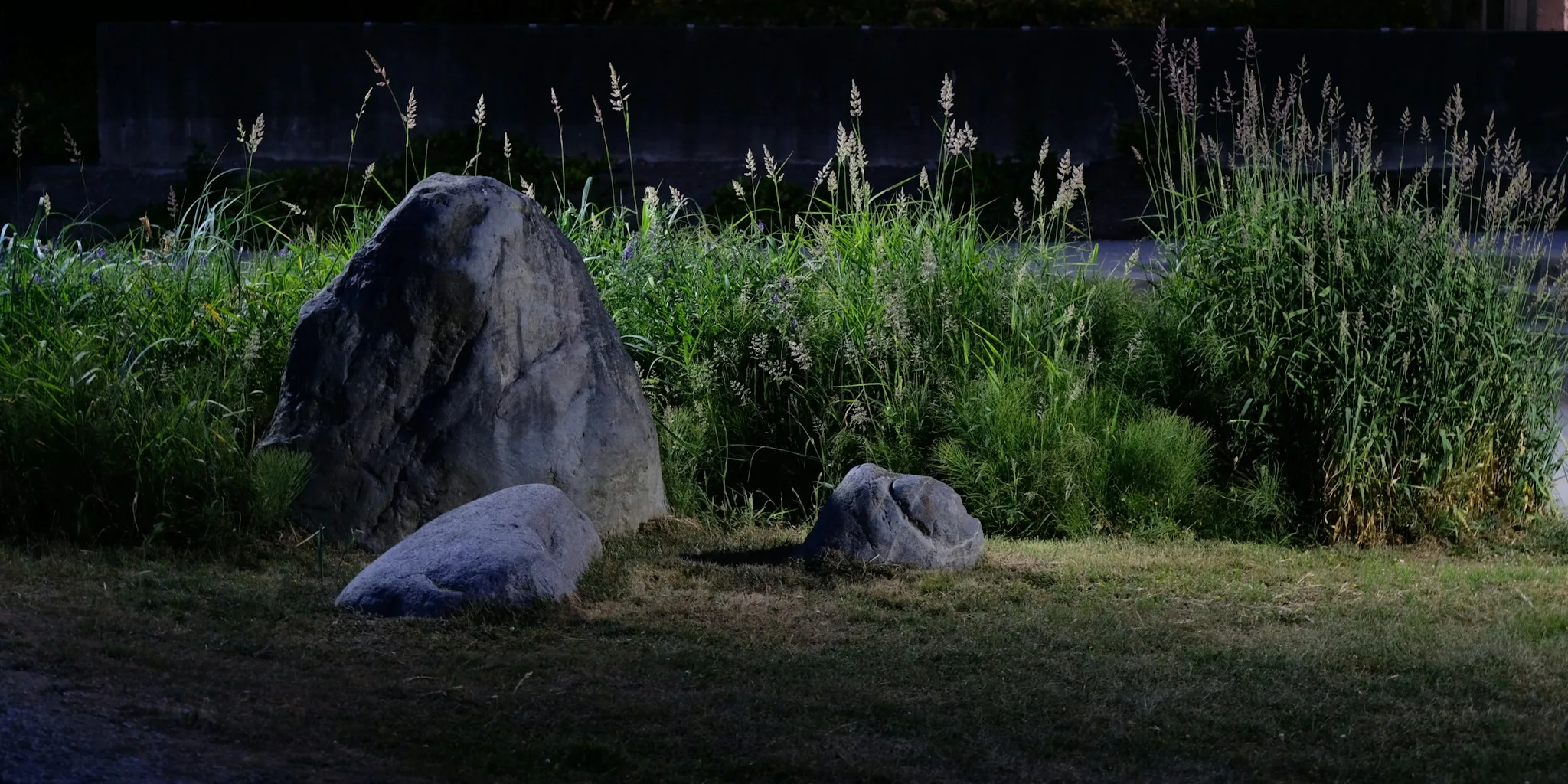
The aesthetic appeal is undeniable. Ornamental grasses add flowing texture and movement, while strategically placed boulders provide architectural contrast. The combination delivers visual drama that far exceeds a simple grass lawn. Better still, once established, rock gardens need far less care than turf, meaning fewer trips to the hardware store and more time enjoying your outdoor space.
Step 1: Check Local Requirements and Rebates
Before you break ground, contact your city government and local water agency. Some municipalities require permits before you remove a lawn or begin landscaping work. This step takes just one phone call but saves you potential fines or required corrections later.
While you have someone on the line, ask about financial incentives. Many water companies offer rebates to homeowners who replace turf grass with water-efficient landscaping. In some regions, these rebates can be substantial enough to offset a significant portion of your project costs.
Step 2: Remove the Existing Turfgrass
You must completely eliminate existing lawn before installing your rock garden, or grass will sprout up through the new landscape. The easiest removal method is smothering. Lay down cardboard or newspaper over the turf grass and wet it thoroughly. Cover the wet paper with a layer of soil and wait approximately two months for the grass to die completely. Once dead, remove the soil and cardboard, then use a sod cutter or spade to strip away the remaining dead grass.
Step 3: Create Clean Borders
Define your rock garden’s perimeter by digging a shallow trench and installing rigid landscape edging. Metal, plastic, or stone edging all work well. This border keeps rocks in place and gives your garden a polished, intentional appearance.
Step 4: Select and Install Ornamental Grasses
Choose two or three varieties of ornamental grass that thrive in rocky, well-draining soil. Excellent choices include blue fescue, Japanese forest grass, blue oat grass, feather reed grass, or little bluestem. When you’re ready to plant, visit your garden center and select healthy specimens. Dig holes twice as wide and deep as the nursery pots, place the plants, and backfill with soil. This allows roots to establish quickly in their new home.
Step 5: Position Your Rocks
Gather large boulders to serve as focal feature rocks, along with a variety of smaller stones. Place your largest rocks first, burying the bottom third of each into the ground. This creates a natural appearance and anchors them securely. Smaller rocks fill spaces around the grasses and between feature boulders.
Step 6: Install Drip Irrigation
Even drought-tolerant ornamental grasses benefit from supplemental watering during establishment and extreme heat. Install low-flow drip irrigation lines to deliver water directly to plant roots with minimal waste. This targeted approach conserves water and promotes healthy growth compared to traditional sprinkler systems.
Step 7: Add Weed Barriers and Finishing Gravel
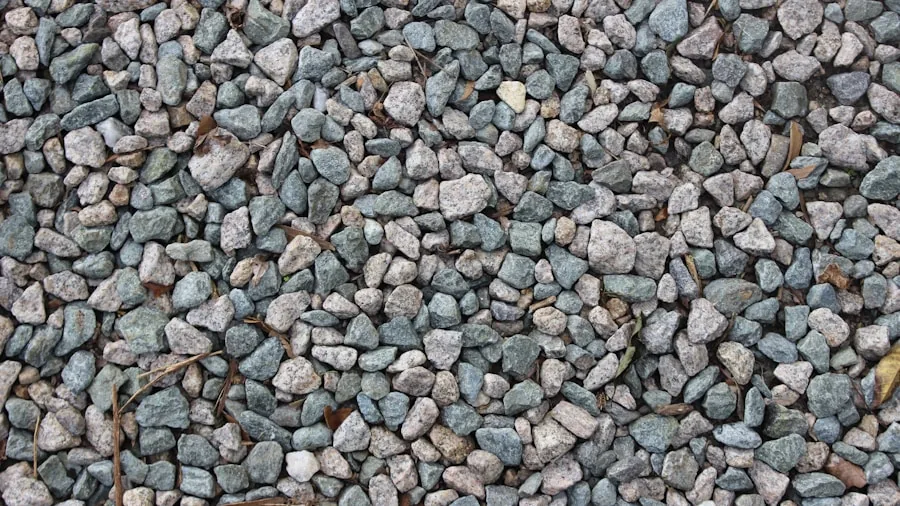
Unroll heavy-duty commercial-grade landscape fabric across all exposed soil. Cut X-shaped openings where your grasses emerge, and fold the fabric around each plant base. This fabric prevents weeds from taking root while allowing water to pass through. Top everything with a layer of decorative gravel or crushed stone for a polished final appearance and additional weed suppression.
Converting your lawn to a rock garden with ornamental grasses is a one-time investment that pays dividends year after year. Armed with the right tools and preparation, you can execute this transformation yourself and enjoy a beautiful, low-maintenance landscape that conserves water and requires far less upkeep than traditional turf.





Write Your Review
No reviews yet. Be the first to share your experience!