
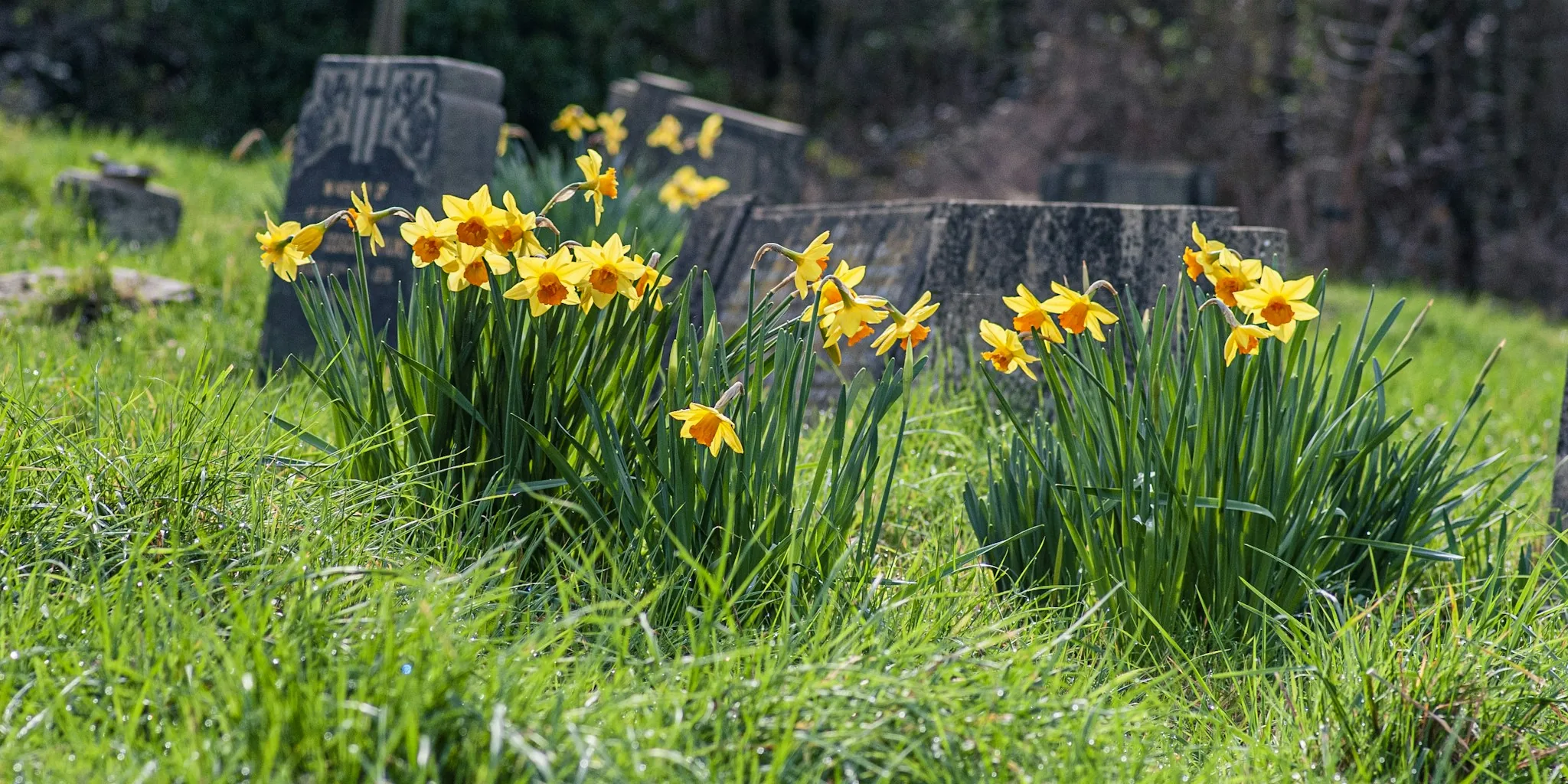

The world’s largest human composting operation has just launched on the East Coast, offering Americans a groundbreaking way to return to the soil after death. Earth Funeral’s new 37,000 square foot facility in Elkridge, Maryland can process approximately 2,000 bodies annually using a method called terramation, also known as natural organic reduction. This development marks a significant milestone for an end-of-life practice that is reshaping how families think about legacy, sustainability, and remembrance in the garden.
How Human Composting Works
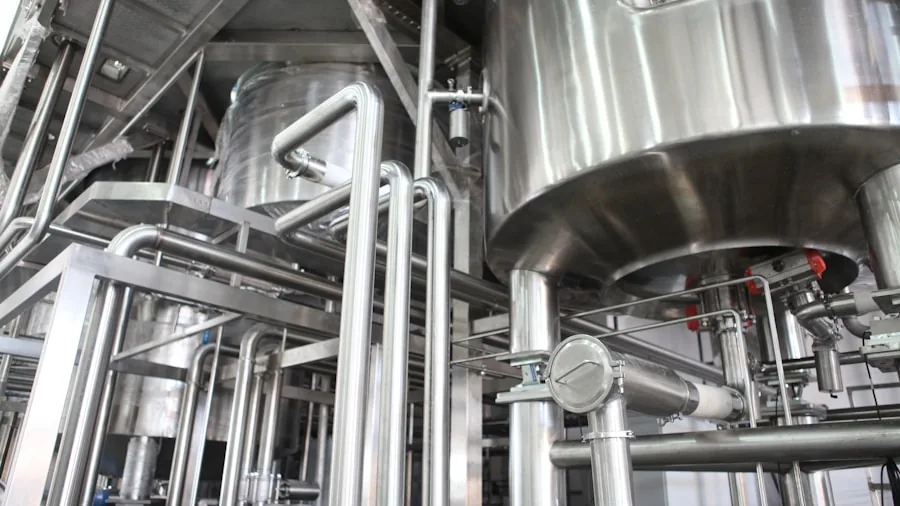
The process is surprisingly straightforward. A body is wrapped in a biodegradable shroud and placed inside a sealed stainless steel vessel along with wildflowers, natural mulch, and wood chips. The vessel maintains carefully balanced levels of carbon, nitrogen, oxygen, and water to create an ideal environment for naturally occurring microbes to break down organic material at the molecular level. Over 30 to 45 days, temperatures exceed 130 degrees Fahrenheit, which eliminates any harmful pathogens. The resulting compost is then independently tested to confirm it is safe for plants, animals, and humans before families receive their soil.
A single body yields approximately 250 to 300 pounds of nutrient-rich soil, equivalent to roughly seven retail sacks of standard garden compost. This soil retains about 90 percent of the body’s essential nutrients. Nitrogen from proteins supports leafy growth and photosynthesis. Phosphorous from bones promotes root development, flowering, and fruiting. Potassium from cellular fluids increases drought resilience. The soil also contains calcium from bones and trace minerals that enhance plant structure and support chlorophyll formation, making it exceptionally valuable for gardeners who want to enrich their raised garden beds or flower borders.
Real Gardeners Share Their Stories
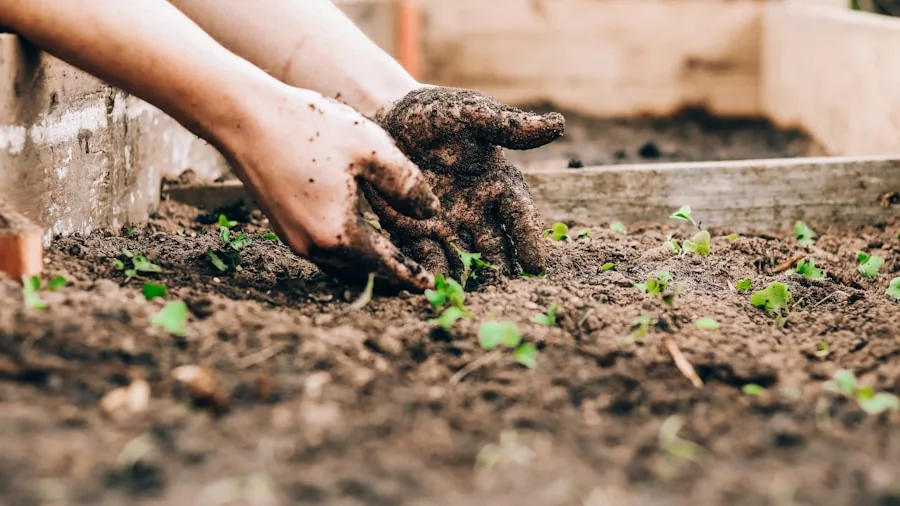
Families across the country are already using human-composted soil to honor their loved ones. Dianne Stanciel from New Jersey added soil from her husband Kenneth to a houseplant that Kenneth had never particularly liked. To her surprise, the plant thrived after receiving the nutrient-enriched compost. In Washington state, Emily spread soil from her husband Wayne into their shared azalea and wild strawberry garden, a space they had cultivated together over 53 years of marriage. Kimberly has signed up for a prepaid composting plan and instructed her family to use her resulting soil among the camellias, lemon trees, and Japanese maples she has tended for nearly two decades. These examples demonstrate how human composting transforms an end-of-life decision into a meaningful way to remain part of a cherished garden space forever.
Legality and Regional Restrictions
While human composting offers a compelling option, shoppers need to understand the legal landscape before making decisions. Currently, terramation is legal in only 14 American states. However, families throughout the country can still access this service because interstate transport of bodies is permitted when handled by licensed professionals with proper transit permits. The resulting soil can also be shipped back to you, making this service technically available nationwide.
State-by-state regulations vary considerably. Most states that have legalized human composting allow families to take the entire volume of soil home for personal garden use, whether in flower beds, memorial gardens, or around remembrance trees. However, some states prohibit using human-composted soil to grow edible crops. New York, for example, restricts its use to dedicated cemetery grounds or conservation sites. Selling the soil, using it commercially, or spreading it on public land or someone else’s property without permission is banned in nearly all states. Before pursuing this option, confirm your local regulations.
Why Human Composting Is Growing
Three major factors are driving the surge in human composting popularity. First, sustainability appeals to environmentally conscious families. Traditional burial can leach chemical embalming fluids into the ground, while cremation requires significant energy. Earth Funeral reports that its composting process has zero net carbon dioxide emissions, compared to approximately 535 pounds for a typical cremation.
Second, cost is competitive. Human composting typically starts around $6,000, matching the price of conventional burial, green burial, or cremation options.
Third, and perhaps most importantly, the personal nature of the practice resonates deeply with gardeners and nature lovers. Unlike other end-of-life choices, human composting allows you to physically return to a beloved garden space or contribute your nutrients to conservation efforts. Whether used around ornamental plants or maintained with careful watering, the soil becomes a living legacy. Washington became the first state to legalize terramation in May 2020, and multiple companies now operate from the state. Earth Funeral’s expansion to Maryland signals confidence that human composting will continue growing as an increasingly mainstream alternative to traditional burial or cremation across America.

Write Your Review
No reviews yet. Be the first to share your experience!