

Italian automotive history is set to receive major Hollywood treatment with an upcoming biopic about the three Maserati brothers. The film, which features Oscar-winning talent and centers on one of the most pivotal moments in racing history, offers enthusiasts and car shoppers alike a window into how these legendary vehicles came to define performance engineering in the early 20th century.
A Star-Studded Production About Italian Racing Royalty
The new Maserati film brings together an impressive roster of talent. Academy Award winners Al Pacino and Sir Anthony Hopkins anchor the cast, delivering the kind of gravitas typical of prestige period dramas. Director Robert Moresco, who earned an Oscar for best original screenplay in 2005, helms the project. The production was largely filmed on location in Modena and Rome, adding authentic Italian atmosphere to the storytelling.
The narrative centers on the three Maserati brothers: Alfieri, Bindo, and Carlo, whose vision created one of the automotive world’s most iconic marques. The teaser trailer already showcases period racing sequences down narrow Italian roads, capturing the genuine danger and drama of prewar motorsport.
The Historic Indy 500 Victory That Changed Everything
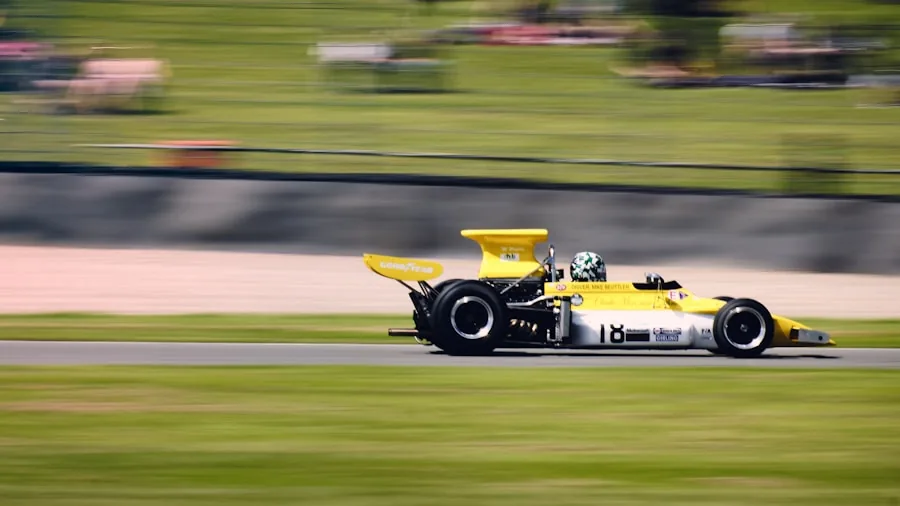
What makes this story particularly compelling for automotive enthusiasts is the centerpiece event: Maserati’s back-to-back Indianapolis 500 victories in 1939 and 1940. These wins represent a watershed moment for the Italian brand, cementing its status as a world-class performance manufacturer. The legendary driver Juan-Manuel Fangio became a racing icon partly through his association with Maserati vehicles, a connection that resonates with collectors and fans today.
Maserati remains the only Italian automotive manufacturer to have won the Indianapolis 500, a distinction that underscores its racing pedigree. For many years, particularly as modern Maserati focused on luxury sedan production, that racing heritage became almost forgotten. This film serves as a reminder that before Maserati became synonymous with high-end luxury vehicles, it was synonymous with speed and innovation.
What This Means for Maserati and Its Current Lineup
Given Maserati’s current position in the automotive market as a purveyor of luxury performance vehicles, the timing of this biopic is noteworthy. Many contemporary car shoppers may not realize that Maserati predates even Ferrari in its competitive history, with roots almost as deep as Alfa-Romeo itself. A successful film could reshape brand perception among potential buyers, reminding them of the company’s racing DNA and storied engineering tradition.
The production company behind this film previously created documentaries about Ferrari and Lamborghini, with mixed results. The Ferrari project succeeded in capturing public interest, while the Lamborghini entry received less critical acclaim. With Pacino and Hopkins on board, industry observers expect this Maserati story to lean more toward the Ferrari success formula.
Why This Matters for Car Enthusiasts and Buyers
Films like this serve an important function beyond entertainment. When you’re looking at a car cover for protection or considering a significant automotive purchase, understanding brand history and heritage influences perception and value. Historical dramas about manufacturers provide context for why certain brands command respect and premium pricing in today’s market.
Moreover, seeing accurate portrayals of prewar racing technology helps automotive enthusiasts understand the engineering challenges their predecessors faced. The film’s depiction of Italian racing on narrow roads illustrates just how dangerous and technically demanding motorsport was during that era, with minimal safety equipment and mechanical complexity that demanded driver skill at the highest levels.
A Broader Trend in Automotive Storytelling
This Maserati project is part of a larger trend of major studios investing in automotive brand biographies. News has already circulated about planned films covering Bugatti and potentially other legendary manufacturers. While Bugatti was technically a French company, its founder Ettore was born to Italian parents in Milan, creating interesting historical complexities that filmmakers find compelling.
The hope among automotive fans is that these productions maintain authenticity while delivering compelling drama. For those maintaining vintage or classic vehicles, knowing the true history behind your automobile’s manufacturer becomes more important when selecting car batteries and other components that respect original specifications.
The success or failure of the Maserati film will likely determine whether studios continue investing in automotive histories. Either way, having more theatrical releases focused on legendary car manufacturers beats the endless parade of remakes and sequels typically dominating the entertainment calendar. The film is expected to arrive in theaters soon, and early teaser footage suggests this could be a winner for both cinema and automobile history enthusiasts.






Write Your Review
No reviews yet. Be the first to share your experience!