
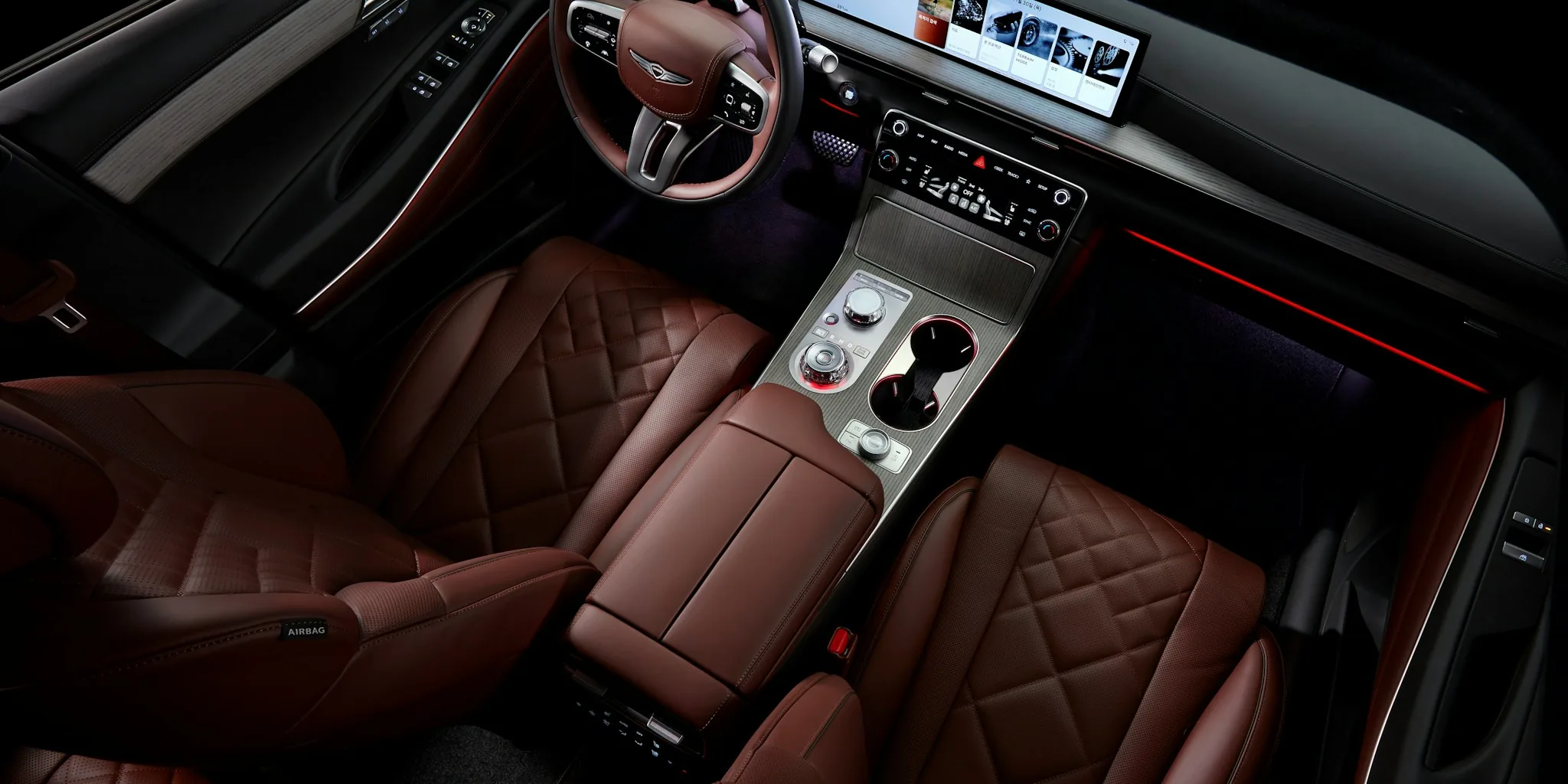

Maserati, the storied Italian luxury automaker, is preparing a significant comeback with plans to launch an all-new electric SUV and a uniquely styled wagon-crossover hybrid. The company announced these major product developments as part of a comprehensive strategy to revitalize its lineup and secure its future under parent company Stellantis.
What Maserati Is Planning
According to statements from Maserati leadership, the brand is developing two standout vehicles that will reshape its portfolio. First, the company plans to reintroduce the Levante nameplate as a fully electric SUV. The original Levante, discontinued in recent years, featured powerful twin-turbocharged V-6 and V-8 engines. The new electric version will retain the Levante badge but swap combustion engines for battery power, positioning itself above Maserati’s existing Grecale Folgore compact electric SUV in the brand’s lineup.
The second vehicle is even more unconventional. Maserati intends to transform the iconic Quattroporte sedan into something entirely different. Rather than continuing the four-door sedan tradition that dates back to the 1960s, the next-generation Quattroporte will reportedly become a shooting brake-style crossover, described by leadership as a low-slung, expansive vehicle blending sedan elegance with crossover practicality.
Timeline and Strategy Reveal
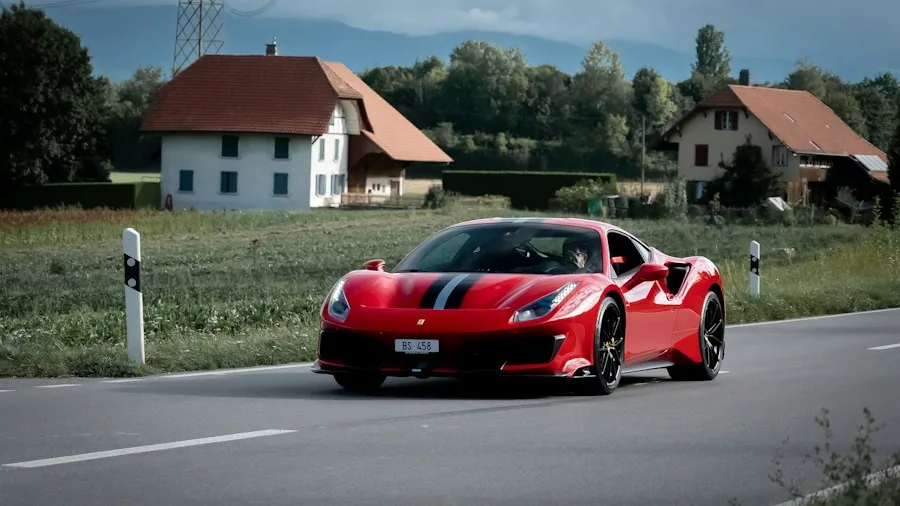
Maserati has committed to unveiling a detailed roadmap this December in Modena, Italy, which will provide specifics on both vehicles, production timelines, and technological features. The December presentation will mark a critical moment for the brand’s future, as the company has faced mounting challenges in recent years including declining sales and uncertainty about its continued independence within the Stellantis portfolio.
Stellantis CEO Antonio Filosa recently reaffirmed the company’s commitment to Maserati, dismissing speculation that the luxury brand might be divested. Filosa emphasized that Maserati remains a core part of the Stellantis strategy and will receive the investment and support necessary to execute this transformation.
What This Means for Shoppers
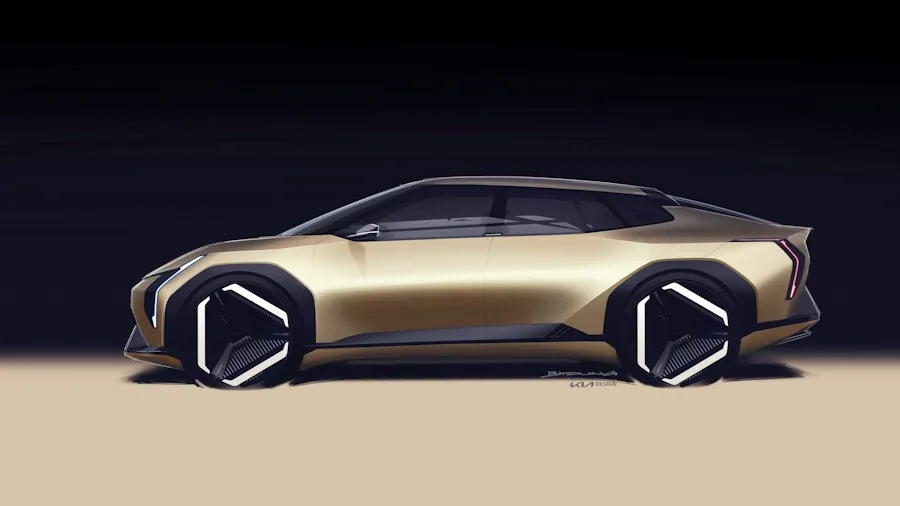
These announcements signal meaningful change for luxury SUV buyers interested in electrification. The new Levante EV will directly compete in the premium electric SUV segment, alongside offerings from brands like BMW and Mercedes-Benz. As the luxury auto market increasingly shifts toward electric propulsion, the BMW iX4 EV SUV arriving in 2027 with dual motors represents the type of competition Maserati will face.
For buyers seeking distinctive alternatives to mainstream crossovers, the reimagined Quattroporte offers something genuinely different. The shooting brake concept appeals to owners who want SUV versatility without sacrificing the low, sleek profile of a performance car. This segment has grown among affluent consumers seeking practical luxury vehicles that don’t sacrifice style.
The timing of these launches also matters for potential buyers. The December roadmap will clarify expected availability dates, pricing tiers, and detailed specifications. Given that other luxury brands are expanding their electric SUV portfolios, Acura’s two new SUVs coming in 2028 and 2030 show the industry-wide momentum toward fresh crossover designs and electric options.
The Bigger Picture
Maserati’s struggles have been real. Expensive tariffs on imported vehicles, shrinking demand for traditional gasoline luxury cars, and a bloated product range all contributed to performance decline. However, the decision to commit resources to electrification and bold new designs demonstrates that Stellantis believes the Maserati brand still holds significant value among affluent buyers who appreciate Italian heritage and distinctive styling.
The electric Levante will need to deliver competitive range, charging speed, and performance to justify premium pricing. Meanwhile, the shooting brake Quattroporte must prove that unconventional design translates to buyer demand in the ultra-luxury segment. These aren’t safe bets, but they represent the kind of product innovation the brand desperately needs.
For shoppers currently considering luxury SUVs or performance crossovers, waiting until December to see Maserati’s complete vision might be worthwhile. The announcements could influence the broader market, particularly if the designs and technology specifications prove compelling. Whether these vehicles will truly revive Maserati’s fortunes remains to be seen, but the company is clearly betting its future on electrification, distinctive design, and the enduring appeal of Italian luxury.



Write Your Review
No reviews yet. Be the first to share your experience!