
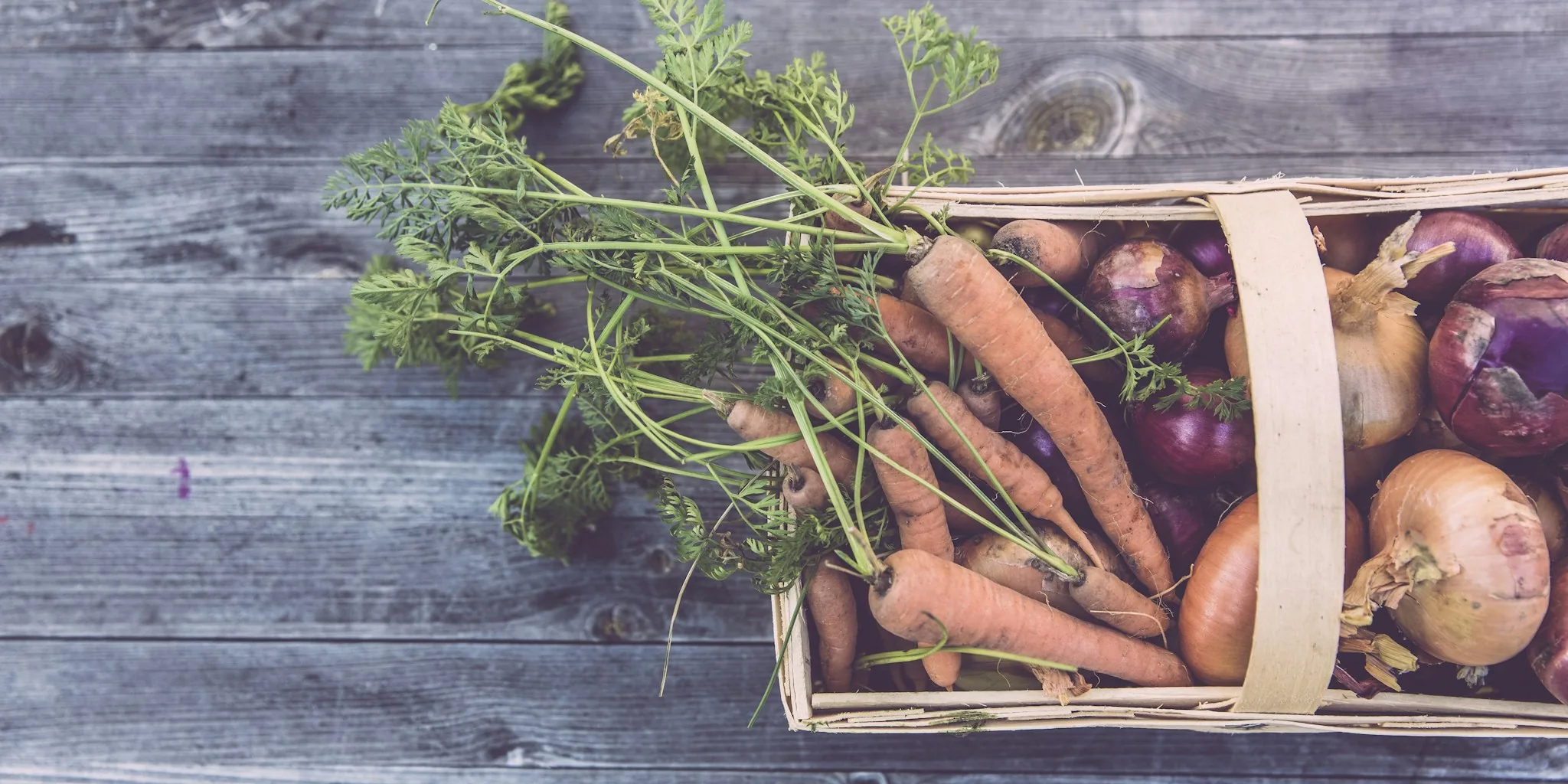

When celebrity gardening inspiration hits social media, shoppers take notice, and a recent wave of interest in harvest baskets has sparked a genuine conversation about backyard productivity. A well-curated harvest basket, sometimes called a trug, has become the visual symbol of a thriving kitchen garden, and for good reason. If you’re thinking about joining the trend, here’s what you need to know before you buy.
Why a Harvest Basket Matters
A proper harvest basket isn’t just for show, though it certainly photographs well. The design actually serves a practical purpose that makes garden work easier and more efficient. The wide, shallow construction allows you to carry significant volumes of fresh produce without crushing delicate herbs or bruising vegetables. The open weave encourages air circulation, keeping your greens fresher longer than they would stay in a plastic bag or deep bucket. Since items lay flat rather than stacked high, you can see exactly what you’ve harvested and sort through your produce faster when it’s time to wash and prepare it.
Budget-friendly options are available if you want the aesthetic without the premium price tag. A handwoven wicker garden basket delivers all the essential features: wide profile, shallow depth, dual handles, and easy cleanup after muddy harvesting sessions. For those willing to invest a bit more, premium rattan baskets look equally attractive indoors and outdoors. If you grow both vegetables and cut flowers, owning two baskets of different depths is a smart strategy. One shallow trug works best for produce, while a taller basket with deeper sides keeps flower stems upright rather than letting them flop.
Start by Planning What You Want to Harvest
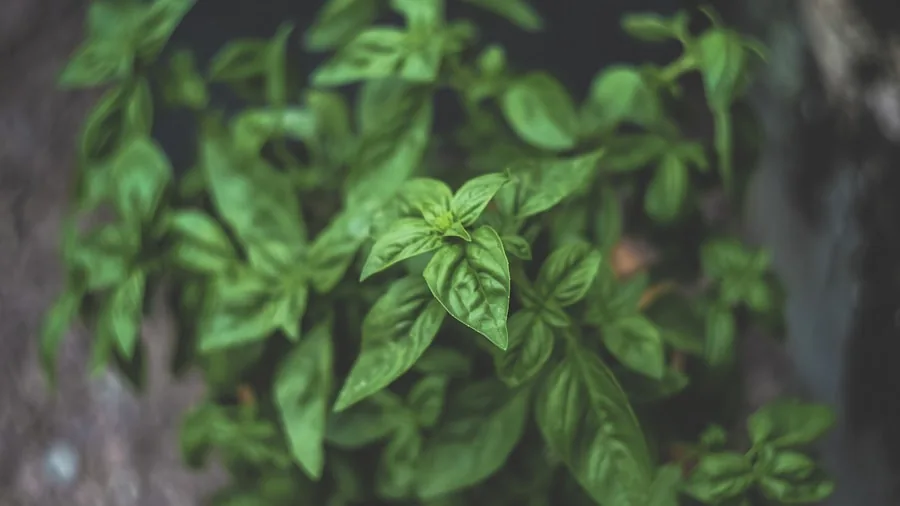
The real gardening work begins once you have your basket. Rather than filling beds with whatever plants catch your eye at the garden center in spring, successful kitchen gardeners work backwards from their harvest goals. Decide what you want picking first, then plant accordingly.
For a summer basket overflowing with color and variety, focus on warm-season crops like corn, squash, peppers, tomatoes, beans, and zucchini. Plant these in spring for a full growing season, and they’ll reach peak productivity in July and August. Pair them with fast-growing crops like lettuce, radishes, and spring onions that mature within weeks. Use succession planting, sowing small rows every two to three weeks, so you always have something ready to pick rather than experiencing feast and famine cycles.
Herbs Are Your Secret Weapon
No harvest basket looks truly abundant without herbs, and they’re the most forgiving and fastest-growing crops available. Basil, parsley, chives, rosemary, sage, and mint all thrive in containers or garden beds, producing harvestable growth within weeks of planting. A generous handful of mixed herbs instantly transforms even a basic collection of vegetables into something visually impressive. More importantly, fresh herbs add an irreplaceable sensory element. A basket that smells of fresh basil and rosemary accomplishes far more than visual styling alone ever could. When shopping for raised garden beds for small spaces, consider dedicating at least one corner to herb production.
Create a Season-by-Season Planting Strategy
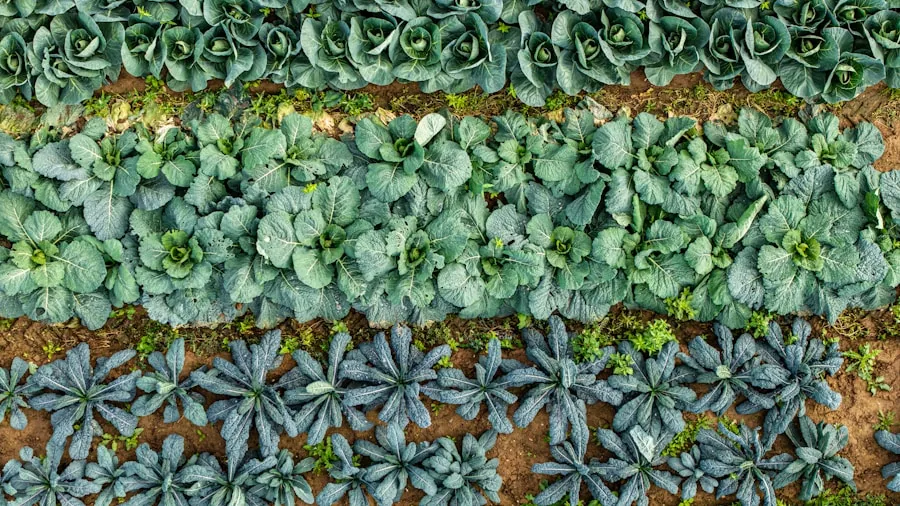
If you want something harvestable year-round rather than just during peak summer, establish a simple seasonal planting framework. Spring is ideal for snap peas, lettuce, spinach, spring onions, radishes, strawberries, and herbs. These crops grow quickly and create a beautiful basket presentation. Summer is peak harvest season, so plant ambitiously with corn, zucchini, tomatoes, peppers, squash, cucumbers, and basil. Autumn brings kale, chard, leeks, carrots, and beetroot, and cooler temperatures actually improve the flavor of most cool-season crops while delivering striking visual color. Year-round, herbs should always be part of your plan.
Master Succession Planting for Continuous Harvests
The real secret behind a basket that consistently looks full isn’t necessarily a larger garden or more vegetable varieties, but better timing and advance planning. Succession planting means sowing small quantities of the same crop every two to three weeks, creating a rolling harvest from spring through the first frosts. This approach eliminates the disappointing scenario of one great picking in June followed by weeks of nothing worth harvesting. Whether you’re using quality garden hoses to keep everything watered or the right pruning tools for harvesting, consistent watering and careful planning work together to maintain productivity.
The difference between a garden that produces continuously and one that generates one spectacular moment followed by disappointment comes down to planning. Before you make a single hole in the ground, think through your planting calendar. Plant with intention, choose varieties that excite you, and commit to regular succession planting. Add some sunshine, a bit of patience, and realistic watering schedules, and you’ll have a harvest basket worth celebrating.





Write Your Review
No reviews yet. Be the first to share your experience!