
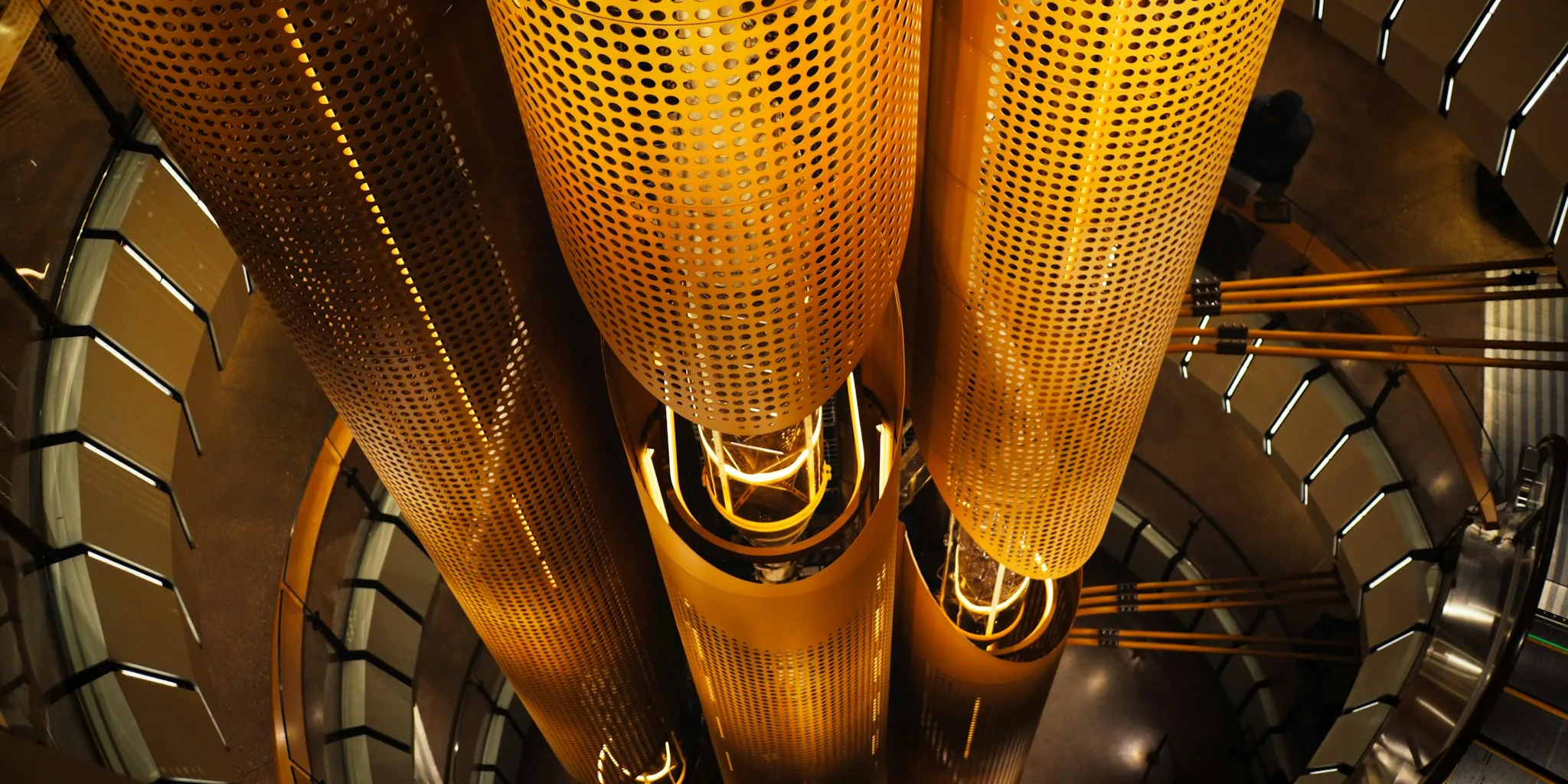

A new coffee roastery and cafe in Melbourne, Australia, has opened its doors with a bold commitment to sustainability that goes far beyond typical green marketing. Contraband Coffee, located in the Brunswick East neighborhood, operates entirely on solar power and uses electric roasting equipment, deliveries made with electric vans, and a comprehensive waste diversion program. For consumers who care about the environmental footprint of their daily coffee, this project offers real insight into how the industry is evolving.
What Makes This Roastery Different
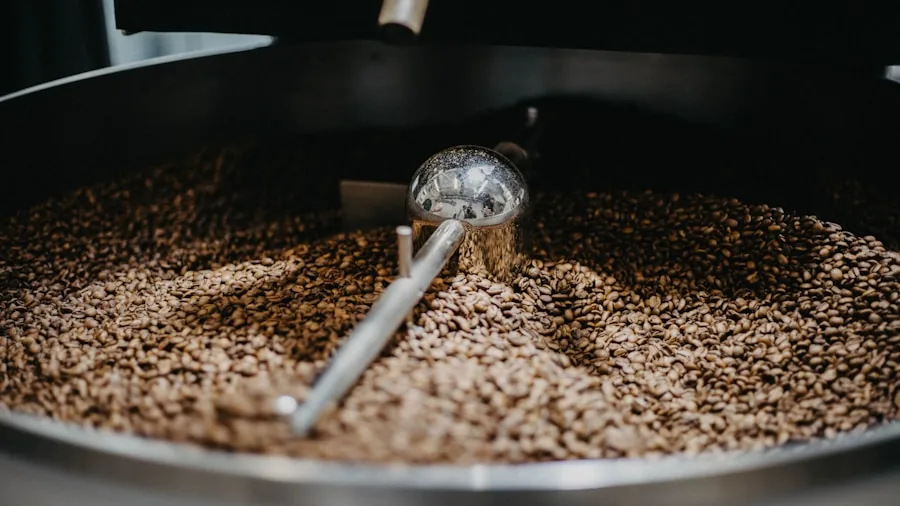
Contraband Coffee operates as both a roasting facility and customer-facing cafe inside a converted industrial warehouse. The company’s approach to sustainability centers on electric heat roasting, eliminating emissions from traditional gas-powered equipment used in most coffee roasting operations. Solar panels power the entire facility, meaning every cup of coffee brewed on-site comes with zero grid electricity draw. Deliveries to customers and suppliers happen via electric vehicles, cutting fuel emissions at multiple points in the supply chain.
The waste management system distinguishes Contraband from many competitors. The roastery partners with a local waste collection and recycling operation to handle used soft-plastic packaging, coffee grounds, and chaff, materials that typically end up in landfills at most facilities. This circular approach treats waste as a resource rather than a disposal problem.
Sustainable Design Without Sacrificing Aesthetics
The physical space itself tells a sustainability story. Rather than demolishing or completely gutting the former warehouse, the design team preserved existing concrete structural elements, ceiling beams, and floor slabs. New glazed windows along the northern wall flood the interior with natural light, reducing daytime electricity consumption while creating visual connections between the cafe, production area, and a new courtyard.
The timber coffee counter, made from locally sourced wood, allows customers to watch the roasting process through glass partitions. Seating areas offer views into the working roastery, turning sustainability from an invisible concept into something visitors can actually observe. This transparency builds consumer confidence in environmental claims that often feel abstract or unverifiable.
The design philosophy underlying the project emphasizes reuse over replacement. Aluminum frames from a previous art installation were repurposed for courtyard seating, demonstrating that environmental responsibility extends to every decision, not just the obvious energy systems. A colorful mural by a local artist adds visual interest to an otherwise minimalist industrial aesthetic, proving that sustainability doesn’t require sacrificing appealing design.
What This Means for Coffee Shoppers
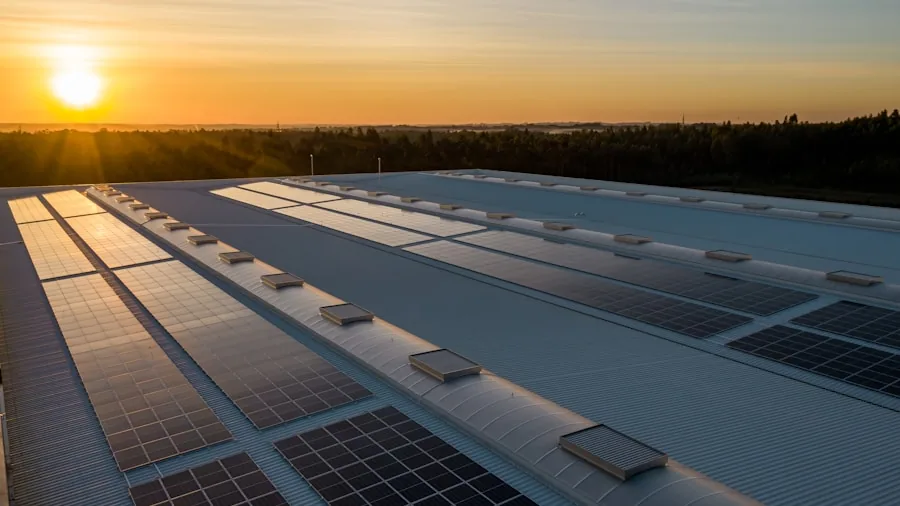
For consumers purchasing coffee, this model raises important questions about where their money goes and what impact it creates. When you buy from a roastery operating on renewable energy with electric roasting equipment, your purchase directly supports lower-emission production methods. As more consumers prioritize environmental impact, coffee roasters face competitive pressure to adopt similar practices.
The integration of local suppliers, waste reduction partnerships, and community-focused design suggests that sustainability can be profitable and attractive. Contraband Coffee demonstrates that eco-conscious operations don’t require customers to accept inferior product quality or poor cafe experiences. The space functions beautifully for both casual visitors and serious coffee enthusiasts.
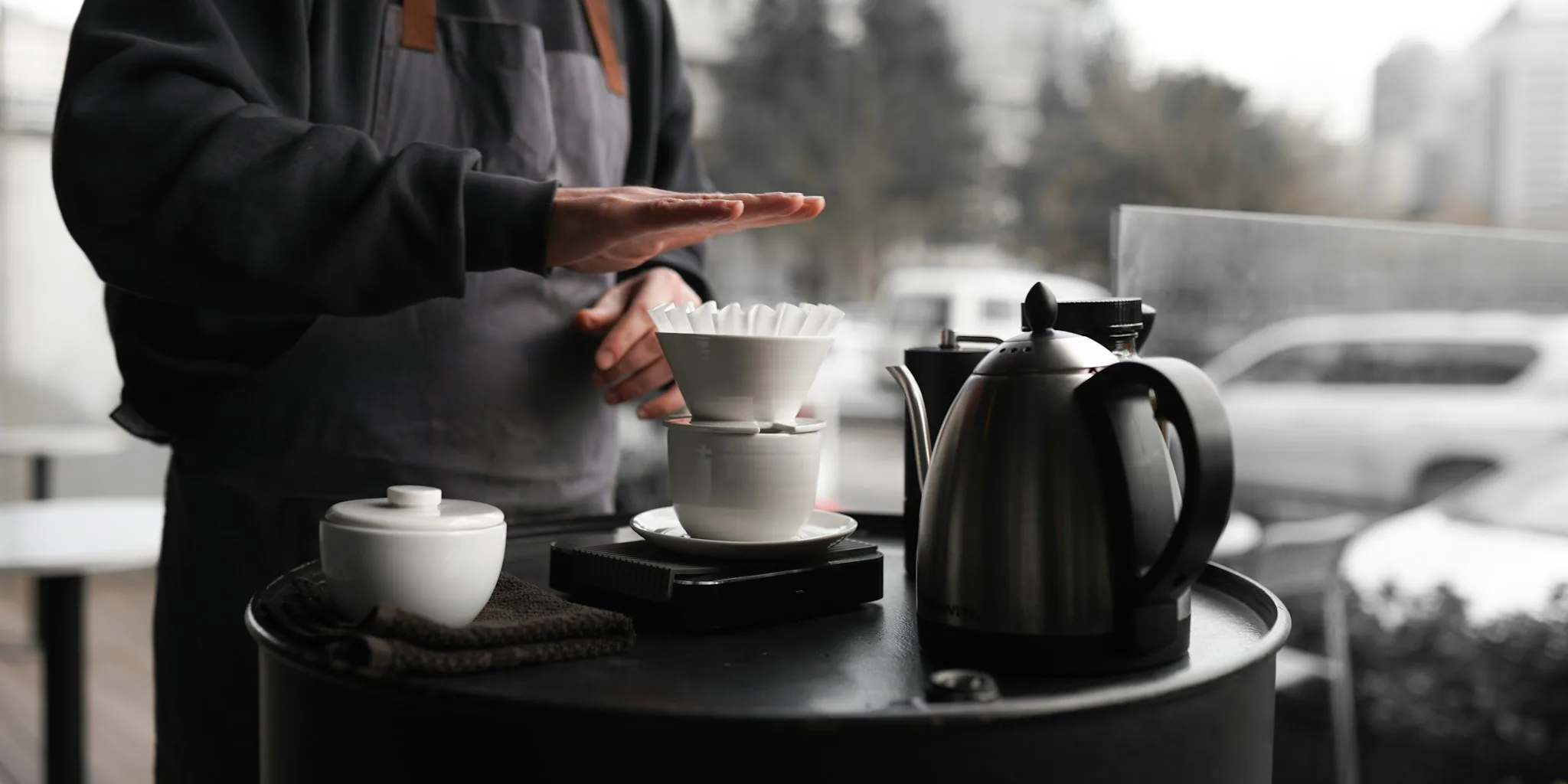
Many shoppers assume that choosing sustainable products means paying premium prices or settling for limited selections. This roastery challenges that assumption by proving that environmental responsibility can be embedded into core operations rather than added as an afterthought. Whether you’re selecting a pour over brewer for home use or visiting a cafe, understanding how roasters approach production offers valuable perspective on the true cost of coffee.
The Broader Coffee Industry Shift
Australia’s coffee culture has evolved significantly over the past decade, with Melbourne emerging as a hub for specialty roasting and cafe innovation. This project represents one of the most comprehensive sustainable roastery models documented to date. Electric roasting, while increasingly available, remains uncommon because it requires upfront capital investment and facility infrastructure changes.
As climate concerns influence purchasing decisions among younger consumers, roasters who successfully communicate environmental practices gain competitive advantage. However, this only works when claims align with actual operational changes. Contraband’s solar power system, electric equipment, and waste diversion programs provide verifiable evidence rather than marketing assertions.
For anyone interested in flavored coffee at home, understanding where beans originate and how they’re roasted adds dimension to the tasting experience. A coffee roasted with renewable energy from a facility managing waste comprehensively represents a different product than commodity beans roasted with natural gas in facilities sending waste to landfills.
This Melbourne roastery signals a significant trend: consumers increasingly expect environmental accountability as a baseline rather than a premium feature. The coming years will reveal whether this location inspires broader industry adoption or remains an outlier. For now, it demonstrates conclusively that sustainable coffee production is technically feasible and commercially viable when executed thoughtfully.
Write Your Review
No reviews yet. Be the first to share your experience!