


Meta Launches Real-Time Audio Transcription Technology for Developers and Mac Users
Meta has released Muse Voice Transcribe, a new real-time audio transcription model designed to handle complex listening scenarios that matter to users dealing with multiple speakers and languages. The technology represents a significant step forward in how machines understand human speech, particularly in messy, real-world audio environments.
What Muse Voice Transcribe Does

Muse Voice Transcribe handles speaker diarization, meaning it can identify and separate different voices speaking at the same time. The model works across more than 20 concurrent speakers and supports transcription in over 70 languages, with 25 languages fully validated at launch. One of its standout capabilities is detecting code-switching, the linguistic phenomenon where speakers blend words from multiple languages within a single sentence.
The model uses adaptive delay technology to optimize accuracy. It spends more processing time on difficult words while committing faster to straightforward words, adjusting its listening strategy based on audio complexity. This approach allows the system to maintain session accuracy even during hour-long conversations involving dozens of speakers.
How This Technology Reaches Consumers Today
Currently, Muse Voice Transcribe powers dictation features in Meta’s desktop application and is available through Meta’s Model API at a rate of $3 per 1,000 audio minutes. Developers can also access the model through Muse Code, Meta’s coding assistant platform. The technology now enhances voice dictation capabilities across multiple third-party applications that integrate with the Meta desktop app, giving Mac users broader access to advanced transcription without needing specialized hardware or separate subscription services.
For those wanting to test the capabilities without commitment, Meta offers a demo version on its research blog. This allows shoppers and developers to evaluate performance before purchasing access.
Why This Matters for Audio and Productivity
Advanced transcription technology changes how people interact with audio content and devices. Whether you’re shopping for a portable speaker for travel and outdoor environments or setting up a home office with voice-controlled audio solutions, understanding transcription capabilities helps inform purchasing decisions. Speakers and audio systems increasingly rely on transcription for accessibility features, voice commands, and content capture.
The competitive landscape matters too. Google released its own Gemini 3.5 Transcribe model just days before Meta’s announcement. Google is integrating its technology directly into Android and eventually Chrome, while Meta’s approach focuses on accessibility through APIs and developer tools. Neither platform has announced immediate integration into consumer-facing speaker products, but these developments suggest that advanced transcription will become standard across speaker solutions for different room sizes and budgets.
Technical Advantages That Impact Real-World Use
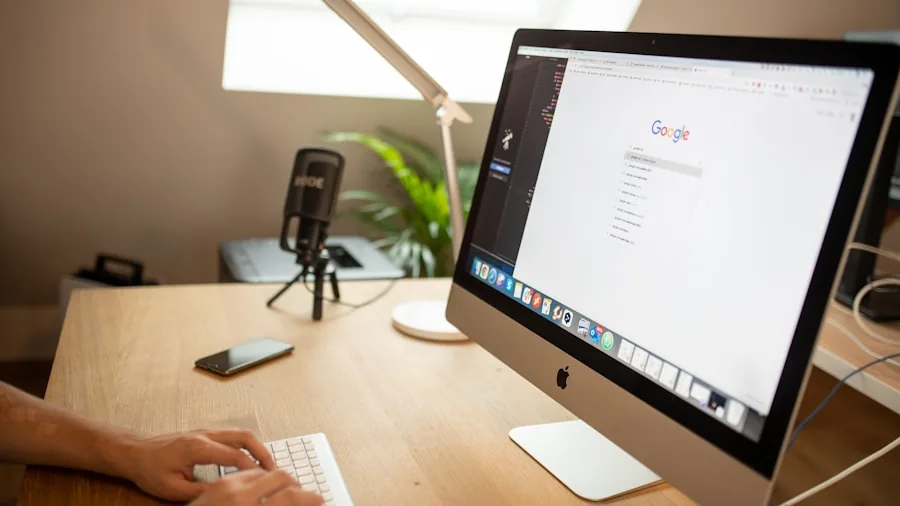
The adaptive delay mechanism represents a meaningful advancement over simpler transcription systems. By adjusting how long it waits before processing each word, Muse Voice Transcribe avoids the lag that frustrates users in real-time applications. This becomes especially important for applications like live meeting transcription, accessibility features for hard-of-hearing users, and voice-controlled smart home devices.
Muse Voice Transcribe’s ability to handle messy audio separates it from laboratory-focused AI models. Real-world recording environments include background noise, overlapping voices, audio compression artifacts, and poor microphone placement. By training across 70+ languages and validating performance in varied conditions, Meta built a system that functions reliably outside controlled settings.
What’s Next for Shoppers
If you’re considering Bluetooth speakers within your budget range, transcription capabilities will likely become a selling point in coming months. Audio devices with built-in or integrated transcription support better accessibility and content creation workflows. The current lack of integration into Meta’s consumer products means existing speaker buyers won’t see immediate changes, but future generations of smart speakers and audio devices will likely build on this technology.
Developers working on audio applications, transcription services, and accessibility tools now have another production-ready option. The $3-per-1,000-minutes pricing makes it viable for small-scale projects and businesses building dictation features into existing platforms.
Meta’s investment in real-time audio perception signals that the company views voice interaction as central to future computing experiences. As this technology matures and integrates into consumer products, shoppers should expect more sophisticated voice features in speakers and audio devices over the next 12 to 24 months.





Write Your Review
No reviews yet. Be the first to share your experience!