
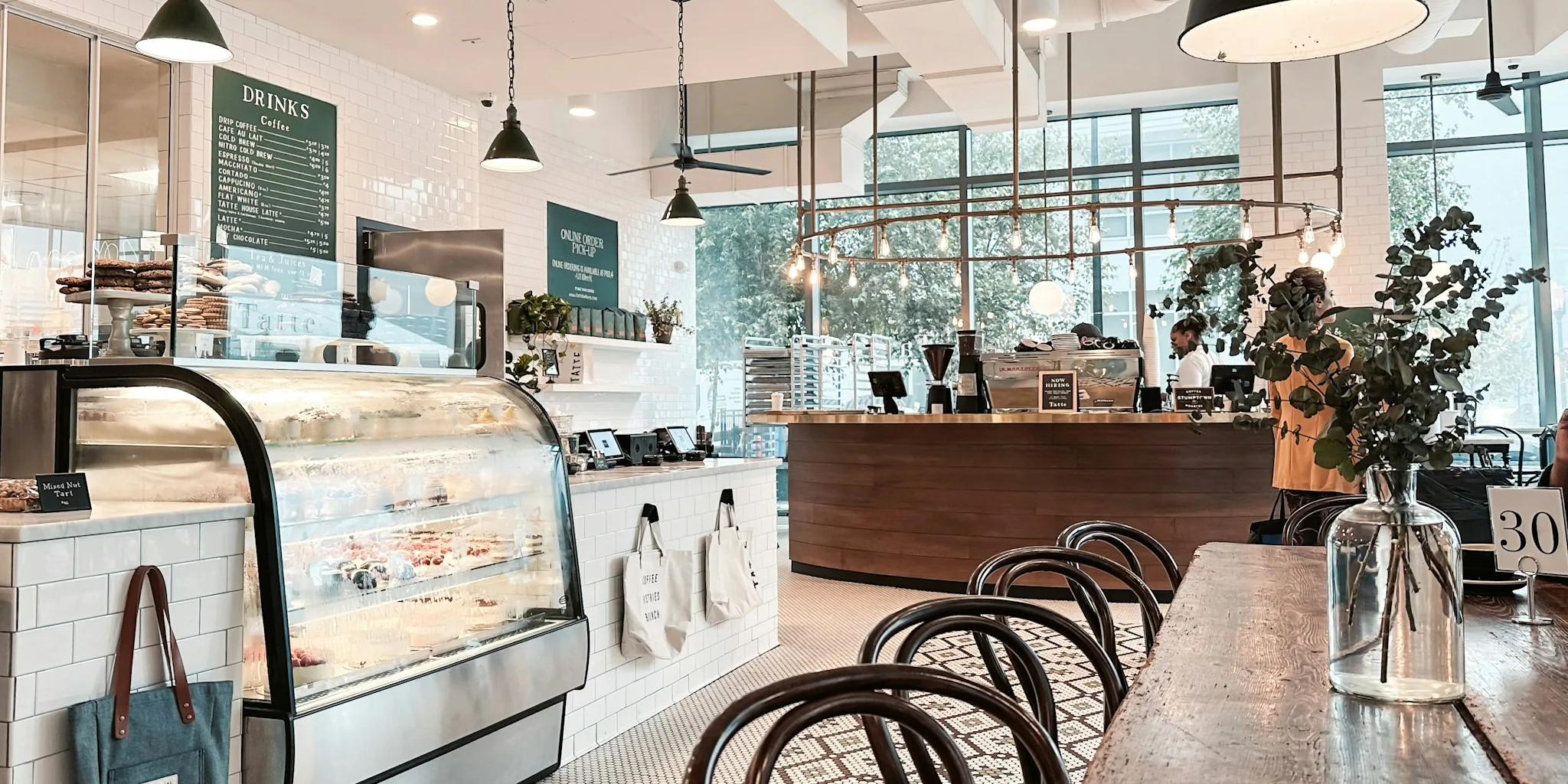

A newly completed café in Athens, Greece is redefining how consumers experience coffee and pastry service through thoughtful design and transparent craftsmanship. Moden Café, a compact 431-square-foot space in the Pagrati neighborhood, places the entire beverage and food preparation process on full display, turning everyday visits into opportunities to witness skilled artistry firsthand.
What Makes This Café Different for Coffee Shoppers
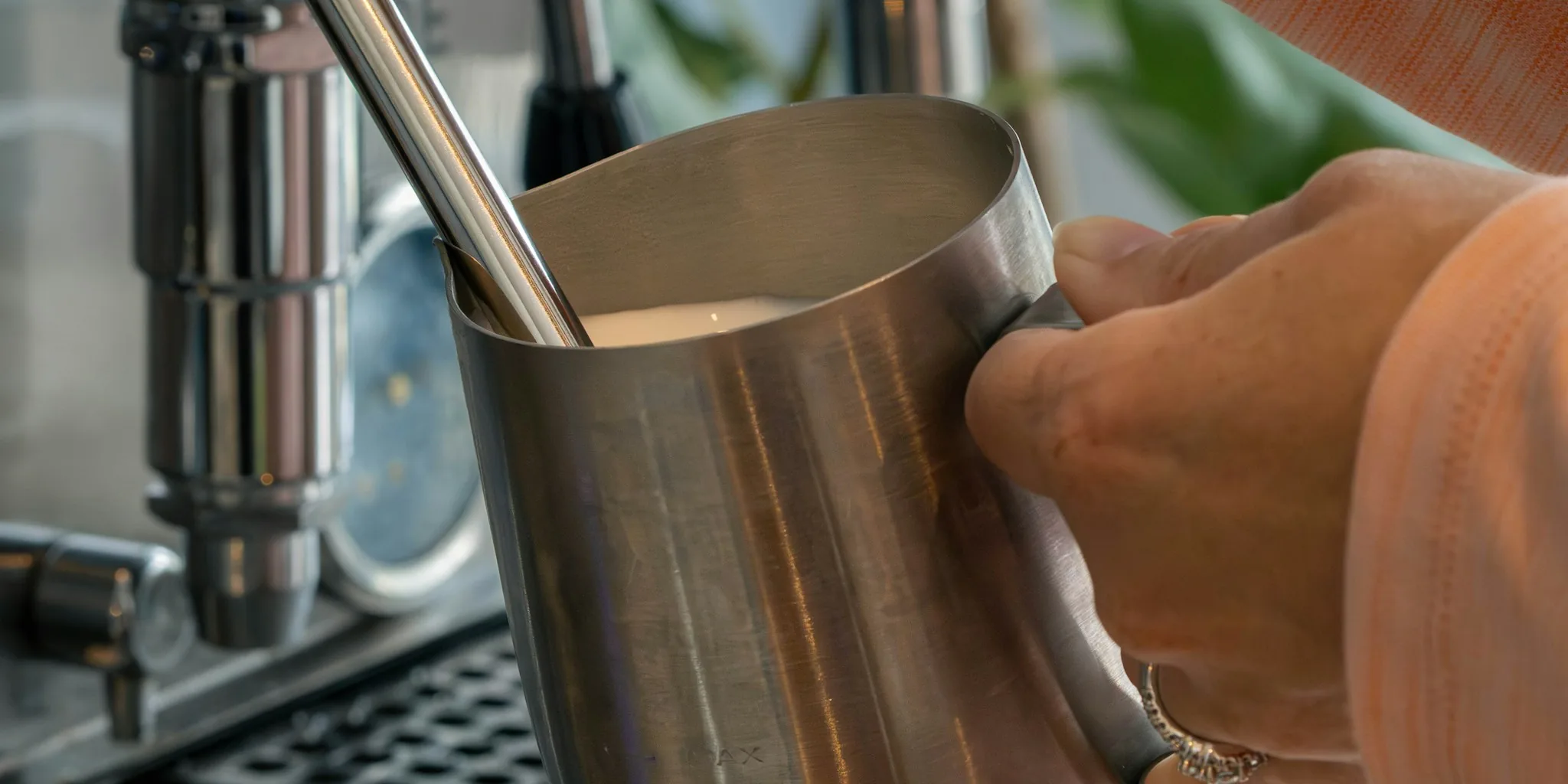
The café’s design philosophy centers on celebrating the ritual and skill involved in making quality coffee and pastries. Rather than hiding operations behind closed doors or walls, the architects deliberately created an open kitchen and bar concept that serves as the visual centerpiece of the entire space. This transparency means customers watching their coffee being prepared can observe exact techniques, water temperatures, and presentation choices that influence the final product.
For shoppers accustomed to automated or rushed coffee service, this model offers something rare: a direct connection to the people and process behind what they are ordering. The seating arrangement reinforces this experience by positioning all chairs along the perimeter, ensuring every visitor faces toward the central kitchen stage where both espresso pulling and pastry presentation occur simultaneously.
Design Details That Impact Your Visit
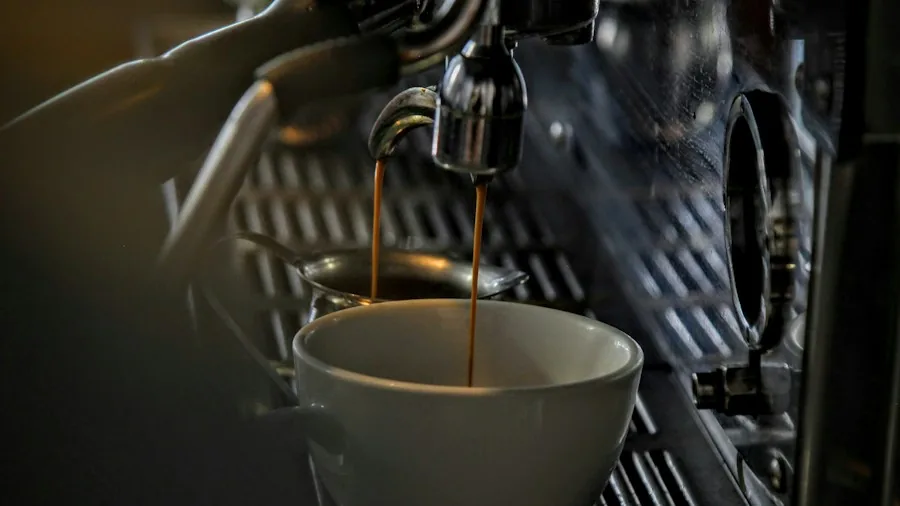
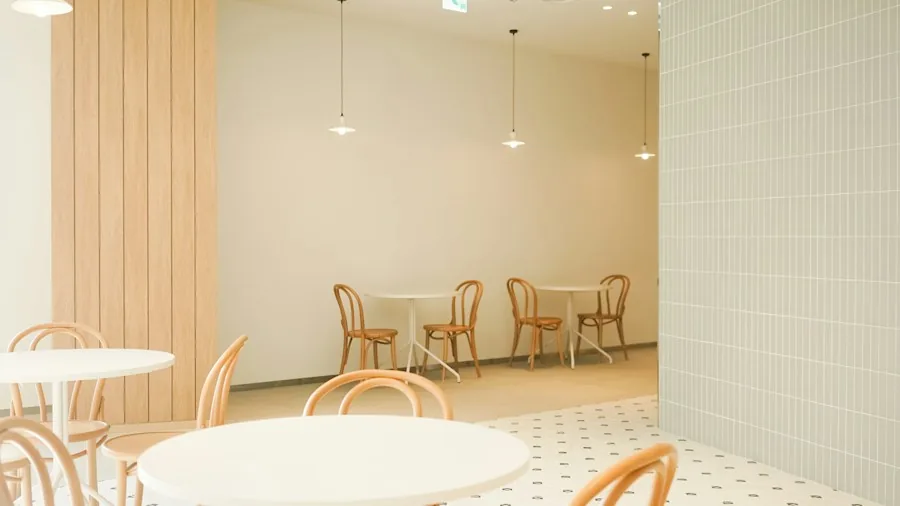
The interior uses a largely neutral, monochromatic palette with clean lines and minimal clutter. Textured walls and flooring subtly reference baking ingredients, creating warmth without visual noise. Custom-built stainless steel and oak seating and benches fit perfectly within the tight footprint while maintaining sight lines to the preparation area.
Natural light floods the space through a specially designed facade, which also eliminates the barrier between the café and the street. This openness makes the café feel connected to neighborhood foot traffic and creates a calming atmosphere that many shoppers now seek in their coffee destinations. When you visit a coffee shop today, ambiance and community connection rank nearly as high as the beverage itself, and this design directly addresses both factors.
The project draws inspiration from a historic pastry workshop that operated nearby, honoring local heritage while applying contemporary design principles. This blend of respect for tradition and modern aesthetic is becoming increasingly common in specialty coffee venues across the United States and Europe, as operators recognize that shoppers appreciate knowing their purchases support established craft rather than purely commercial enterprises.
What This Means for Coffee Consumers
The rise of performance-based café design reflects a broader shift in how consumers approach coffee purchasing. Rather than viewing coffee as a quick commodity transaction, modern shoppers often seek quality ground coffees that showcase different brewing methods and flavor profiles. Seeing skilled baristas at work reinforces the value proposition and justifies premium pricing.
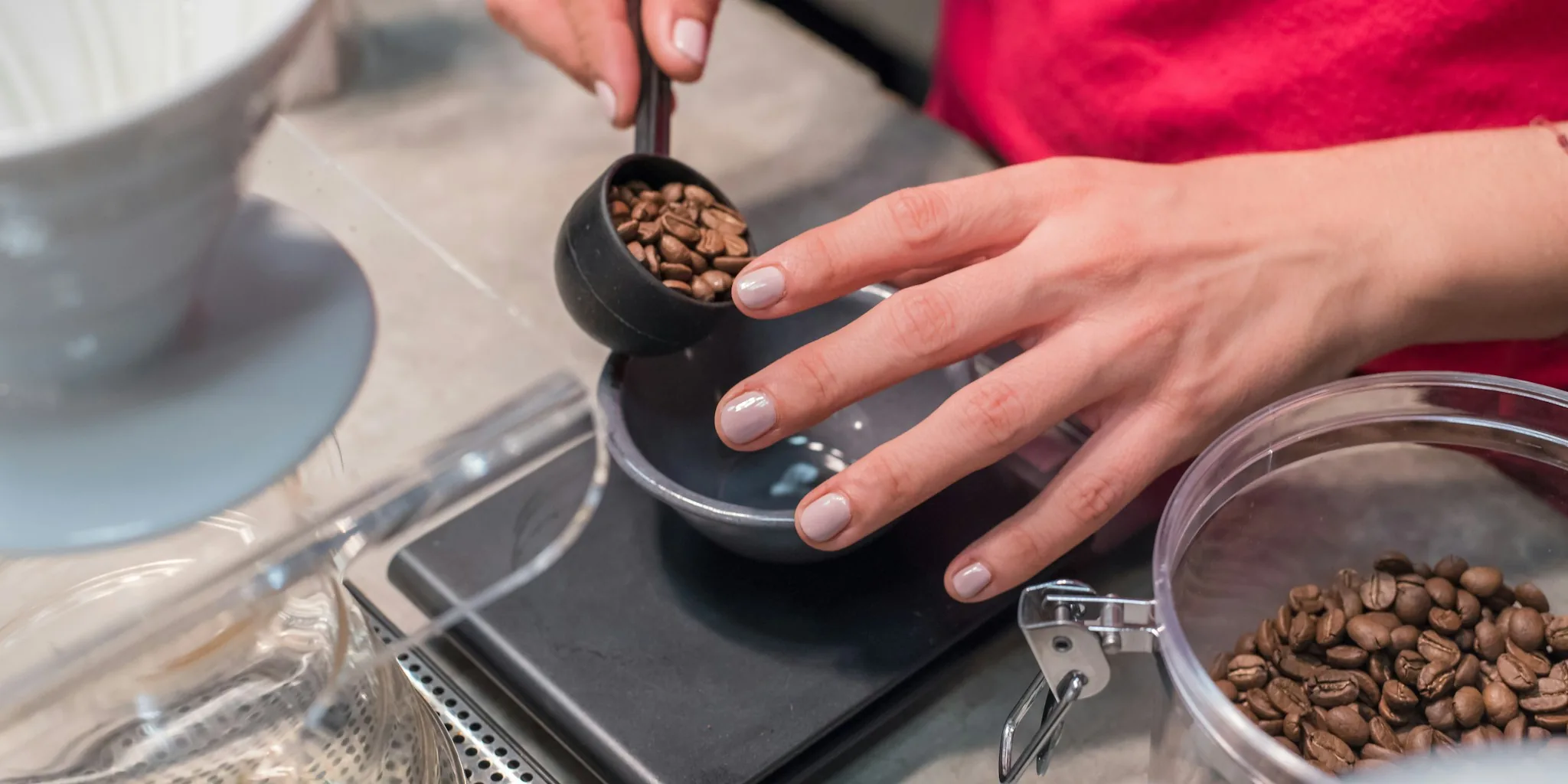
Additionally, the emphasis on pastry and coffee pairing in this café’s design aligns with growing consumer interest in understanding how these components complement each other. Just as pour over coffee makers allow home brewers to control every variable, this venue allows customers to observe and learn through direct witnessing. Many café visitors now actively seek out spaces where they can ask questions about technique or ingredient sourcing, and an open kitchen naturally facilitates such conversations.
The 40-square-meter footprint also demonstrates that high-quality coffee culture does not require massive commercial spaces. Small, intentionally designed venues can deliver memorable experiences that compete effectively with larger chains. For shoppers in urban areas, this suggests that neighborhood cafés operating at this scale deserve consideration over distant corporate locations.
The Broader Trend in Coffee Retail
Moden Café represents a growing international movement toward transparency, artistry, and community-focused coffee service. From architectural standpoint, removing barriers between production and consumption has become a deliberate strategy for specialty coffee operators seeking to justify quality and build customer loyalty. Similar concepts now operate in major U.S. cities, from Los Angeles to New York to Philadelphia.
For shoppers evaluating where to purchase coffee, whether visiting specialty venues or selecting single serve coffee makers for home use, this trend suggests that transparency in sourcing and preparation quality increasingly matters. Consumers voting with their wallets have clearly signaled that they value understanding their purchases and supporting skilled craftspeople over anonymous, automated systems.
As more cafés adopt similar design philosophies, shoppers should expect coffee retail to continue shifting toward experiential, community-oriented spaces rather than efficiency-optimized drive-through models. This Athens café, while architecturally specific to its location and cultural context, exemplifies principles that resonate globally: elevate craftsmanship through visibility, simplify the visual environment to reduce stress, and design spaces that encourage connection between customers and producers.



Write Your Review
No reviews yet. Be the first to share your experience!