
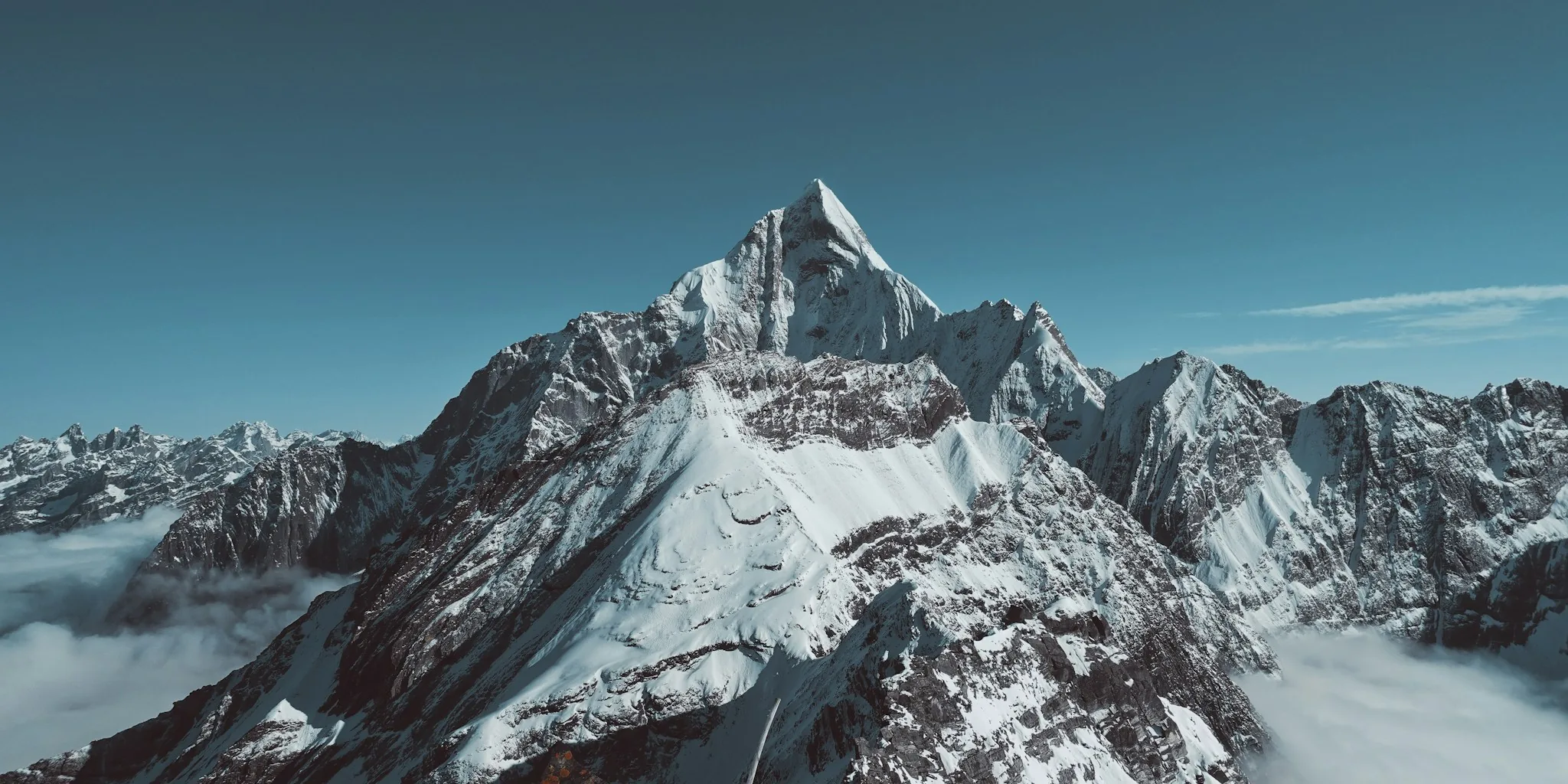

A tragic incident on Mount Baden-Powell in Southern California has highlighted the serious risks that winter conditions pose to hikers, even on routes that feel manageable during warmer months. On November 22, a hiker died after slipping on ice and falling approximately 500 feet while attempting to assist his son on the 9,399-foot peak located in the San Gabriel Mountains. The incident serves as a critical reminder for outdoor enthusiasts about how dramatically mountain terrain transforms when snow and ice arrive.
How Winter Transforms a Popular Summer Trail
Mount Baden-Powell attracts thousands of visitors each year during the warmer seasons. The standard route begins at Vincent Gap and follows the Pacific Crest Trail for roughly four miles, climbing over 2,800 feet through scenic switchbacks. During summer, this hike represents a challenging but manageable day trip for experienced outdoor enthusiasts.
Everything changes when winter arrives. The mountain’s north-facing slopes receive minimal direct sunlight, allowing snow to persist and create hazardous conditions. When daytime temperatures warm the snow, it melts and refreezes overnight, creating patches of solid ice that can catch hikers off guard. Local hiking experts note that the difference in risk is dramatic: a summer slip might result in sliding on loose gravel, while a winter slip on Baden-Powell can send someone tumbling hundreds of feet down steep terrain with no way to stop the fall.
Recent Incidents Show Growing Winter Dangers
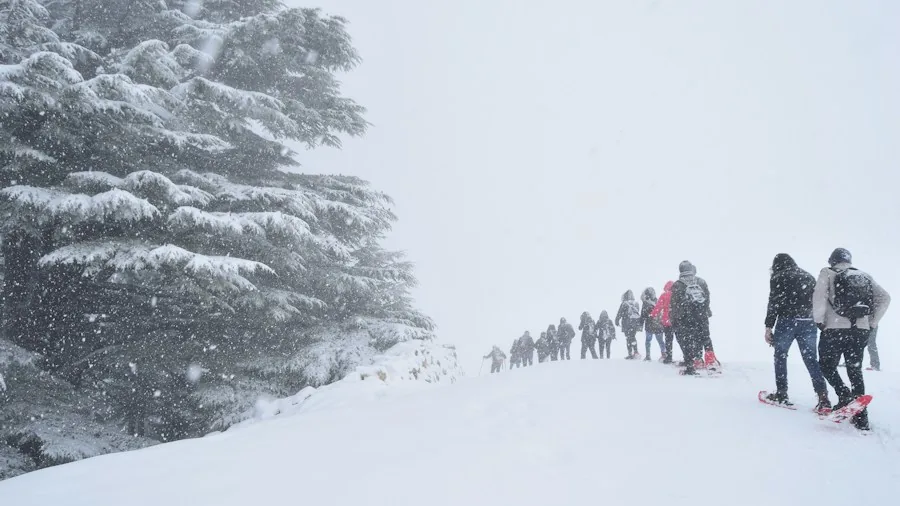
The November 22 fatality was not an isolated event. Just one day earlier, rescuers responded to another hiker on the same mountain who slid more than 300 feet down a snowy chute. That hiker was rescued thanks to helicopter response, though authorities initially struggled to locate the person due to GPS inaccuracies. The rescue was completed just before worsening weather would have made helicopter operations impossible.
Similar incidents have occurred repeatedly over the years. In February 2016, a 69-year-old hiker slid roughly 100 feet down icy terrain and required helicopter rescue to reach medical care. These patterns demonstrate that Baden-Powell’s winter dangers are neither rare nor unpredictable. Nearby peaks have also proven deadly during winter months, with other Southern California mountains recording multiple hiking fatalities each winter season.
What Makes Winter Mountaineering Different
The key distinction between summer hiking and winter mountaineering on peaks like Baden-Powell is steepness combined with the physics of ice. The slopes present dangerous runouts where a falling hiker gains speed with little opportunity to self-arrest. Expert mountaineers who have climbed Baden-Powell dozens of times now avoid the peak entirely once snow arrives, instead opting for lower-elevation desert trails in areas like Joshua Tree and Palm Springs.
Even hikers with previous experience on Baden-Powell face elevated risk in winter. The technical difficulty jumps substantially. What feels like a strenuous hike in summer becomes true mountaineering terrain in winter, requiring specialized knowledge, equipment, and often professional training.
Essential Gear and Preparation for Winter Hiking
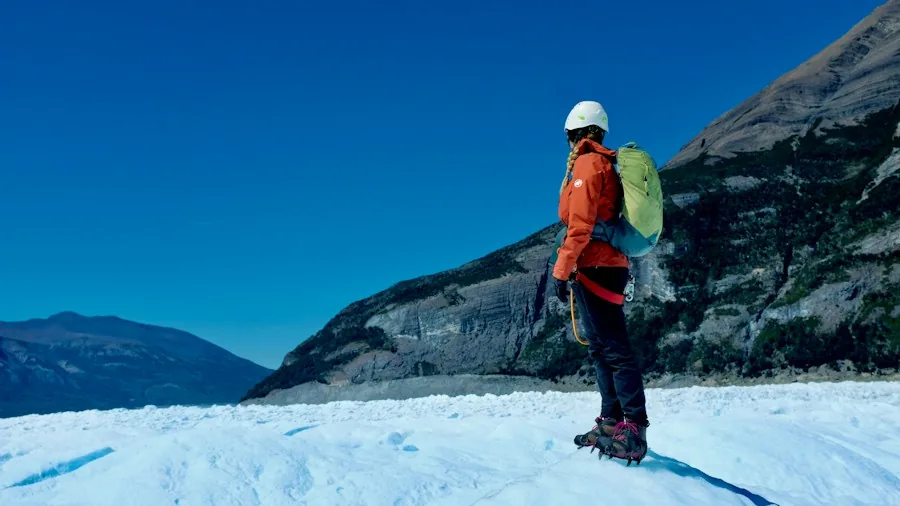
If you plan to hike in winter conditions, proper equipment becomes non-negotiable. Many winter mountaineers use crampons, which are metal spikes that attach to boots to provide traction on ice. This level of gear requires training to use safely and effectively. Quality winter hiking boots designed for mountaineering provide the necessary ankle support and insulation that summer hiking boots cannot offer.
Trekking poles designed for snow and ice terrain help distribute weight and prevent slips on icy sections. Many winter hikers also carry ice axes for self-arrest and other safety equipment that requires formal training to use correctly. Proper footwear with aggressive tread patterns is fundamental, though even premium hiking shoes provide inadequate grip on black ice.
The Importance of Training and Realistic Assessment
Experts consistently emphasize that winter mountaineering requires formal training before attempting snow-covered peaks. The skills needed to navigate steep icy terrain safely are not intuitive and cannot be learned through trial and error when the consequences are potentially fatal. Even experienced summer hikers must recognize that winter conditions create entirely different technical challenges.
The practical advice from mountain safety professionals is clear: avoid high peaks during winter unless you have undergone proper mountaineering training and acquired appropriate equipment. Winter is better spent exploring lower-elevation trails in warmer regions rather than attempting peaks that become dangerous mountaineering challenges during the cold months. Understanding these distinctions could save your life.




Write Your Review
No reviews yet. Be the first to share your experience!