
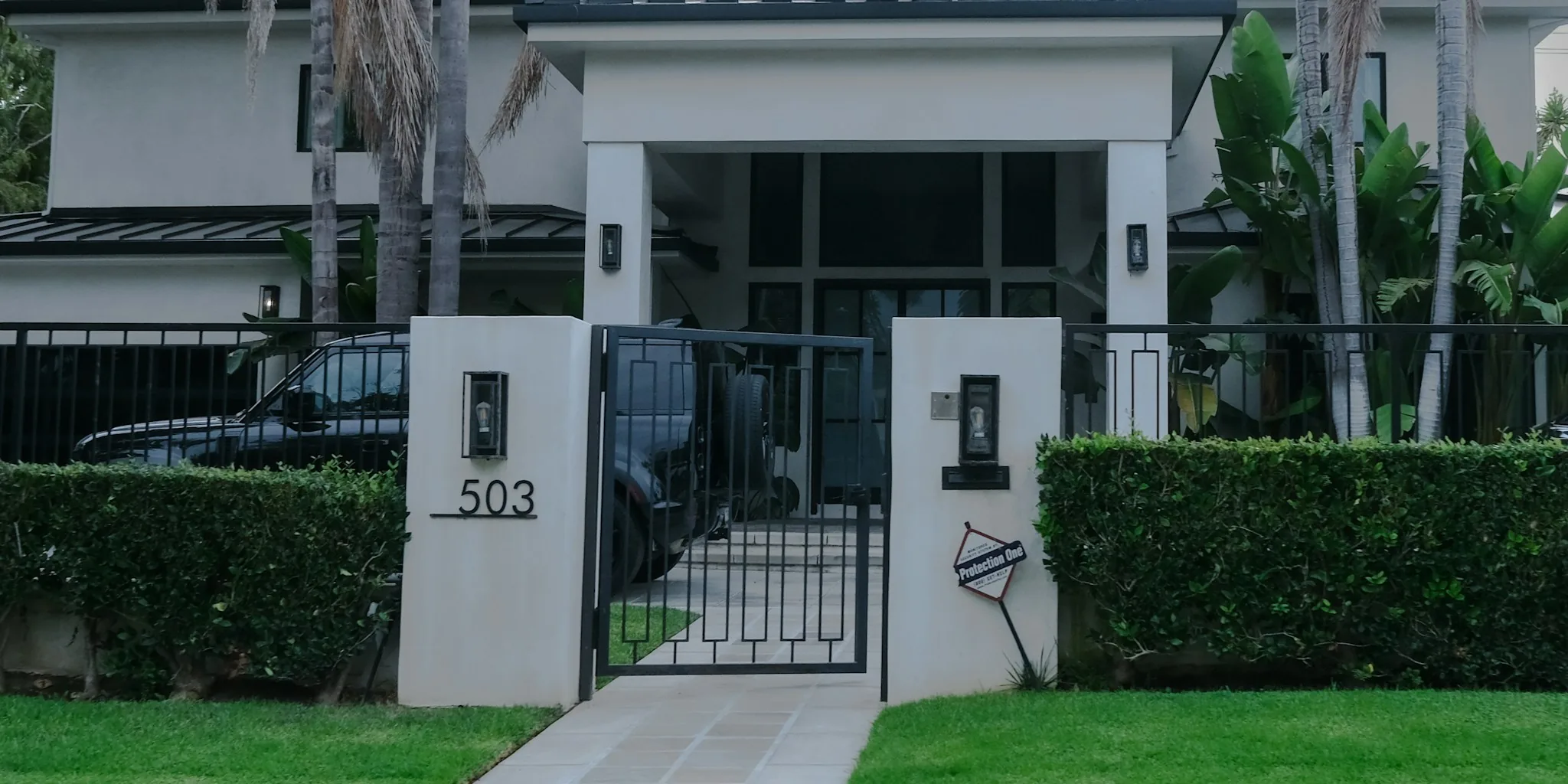

The classic image of a kind neighbor surprising an elderly homeowner by mowing their lawn has become complicated in modern America. What once might have been seen as a genuine act of kindness could now result in serious legal consequences, including criminal charges. Understanding the laws around your neighbor’s property is essential if you want to avoid costly mistakes and maintain peaceful community relationships.
Why Trespassing Laws Have Become Stricter
Over the past 50 years, American property laws have shifted dramatically. Several major factors explain this change. First, urban and suburban development has meant more people living in closer proximity, making property boundaries far more important than they once were. Backyards that were once part of larger rural plots are now small, clearly defined spaces, and residents take their property lines seriously.
Second, technology has eliminated the excuse of ignorance. Fifty years ago, someone who crossed an unmarked field might have claimed they were following local custom or didn’t realize they were trespassing. Today, GPS applications and smartphones can map exact property boundaries instantly. That means no one can claim they accidentally entered a neighbor’s yard. If you knowingly step onto their property without permission, you may face trespassing charges regardless of your intentions.
Premises Liability: A Major Concern for Property Owners

Modern property owners face significant legal exposure through something called premises liability. This means a homeowner can be held responsible for injuries that occur on their property, whether the injured person was invited there or not. This reality has made property owners far more cautious about allowing anyone onto their land uninvited.
Consider what could happen if you step onto your neighbor’s lawn with a mower. You might put your foot in a gopher hole and break your leg. A protection dog could bite you. You could be struck by a falling tree branch. In any of these scenarios, your neighbor could face a costly lawsuit, even though you caused the injury yourself. Because of this risk, most homeowners today refuse to allow anyone on their property without explicit permission, even well-meaning neighbors.
Property Damage and Disagreements Over Lawn Care
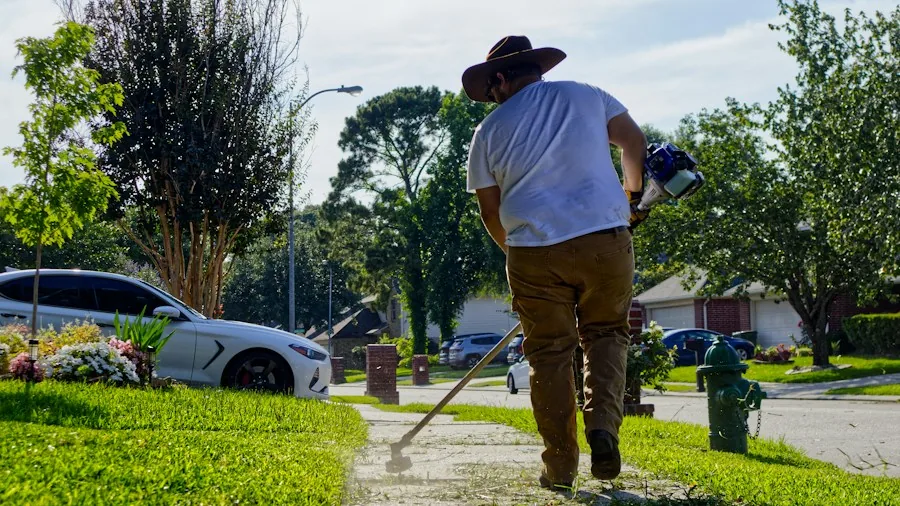
Beyond trespassing and liability concerns, mowing your neighbor’s lawn without asking can create financial disputes. If your mower damages a decorative shrub, tears up the soil, or creates bare patches, your neighbor can sue you for the cost of repairs and replacement. But the problems go deeper than accidental damage.
What looks like an overgrown mess to you might be exactly what your neighbor wants. Some homeowners intentionally maintain prairie lawns or let grass grow taller to support local wildlife and create a natural ecosystem. Others have their own routines and preferences for lawn care. When you mow without permission, you’re making a decision about someone else’s property based on your own aesthetic preferences. Your neighbor may view this as disrespectful, invasive, or a violation of their autonomy over their own land.
What You Should Do Instead
If you genuinely want to help a neighbor who is elderly or physically unable to maintain their yard, the solution is simple: ask first. A straightforward conversation takes only minutes. If they need assistance, they’ll likely be grateful for the offer. If they prefer to keep their lawn as it is or simply value their privacy, they can decline.
If your concern stems from an overgrown lawn that you believe makes the neighborhood look unkempt, you still have options that don’t involve trespassing. You can approach the neighbor respectfully to discuss your concerns. If they’re unresponsive, you might contact your neighborhood association or local city code enforcement. Many communities have ordinances about lawn height, and official channels exist to address violations.
For those who want to take a more active role in lawn maintenance, consider investing in a robot lawn mower for your own property, or explore the best lawn mowers available to make your own yard care easier. When your own lawn looks great, it contributes positively to your neighborhood without crossing legal boundaries.
The bottom line is straightforward: respect property lines, seek permission before entering anyone else’s yard, and handle disputes through communication or official channels. What might seem like a kind gesture today can create serious legal problems tomorrow. By understanding and following these guidelines, you protect both yourself and your neighbor.



Write Your Review
No reviews yet. Be the first to share your experience!