


For families with disabled members who love the outdoors, hiking has traditionally meant tough choices: either turn back when trails get challenging, or leave a loved one behind. That landscape is changing rapidly. As of fall 2026, nearly 30 National Park Service sites across the United States now loan free adaptive trail equipment to visitors, opening up previously inaccessible terrain to people who use wheelchairs and mobility devices.
What’s Happening at National Parks
The expansion of adaptive hiking programs represents a significant shift in how America’s public lands serve all visitors. All five of Utah’s national parks now provide all-terrain wheelchairs. Zion National Park launched its program in 2026 with funding from the Zion Forever Project. Bryce Canyon added two Extreme Motus Off-Road Wheelchairs available on a first-come, first-served basis at the visitor center. Great Smoky Mountains in Tennessee offers multiple adaptive devices including Cascade Tandem Hiking Carts and ranger-led programs on approximately 14 miles of accessible trails. Indiana Dunes National Park provides motorized attachments and specialized off-road wheelchairs through its lending program.
Local partners are also stepping up. At Rocky Mountain National Park in Colorado, the Estes Park Mountain Shop houses two Cascade Carts donated by a local charity, plus six GRIT Freedom all-terrain wheelchairs and other adaptive equipment available for borrowing at no cost. Shop staff provide training on setup, use, and breakdown, while also recommending the most suitable trails for each visitor’s needs.
How This Benefits Hiking Families

Real families are experiencing tangible benefits. One mother recently took her disabled son on the Bear Lake Trail at Rocky Mountain National Park using a borrowed adaptive cart. After 20 minutes of flat terrain, the trail became steeper. With the specialized equipment, her husband was able to pull the cart up steps that would normally have forced the family to turn back. The group continued another half-mile, discovering a mountain stream and enjoying views of the peaks together, creating memories that weren’t possible before.
The equipment options extend beyond wheelchairs. Parks and partner organizations loan Cascade Tandem Hiking Carts, which allow caregivers to transport seated passengers over rough terrain. GRIT Freedom devices motorize manual wheelchairs for off-road use. Specialized backpacks and bike-stroller combos with electric bike rentals provide additional options. Before heading out, investing in proper footwear and supportive gear remains essential for caregivers and companions doing the physical work on trails.
What Changed: The EXPLORE Act
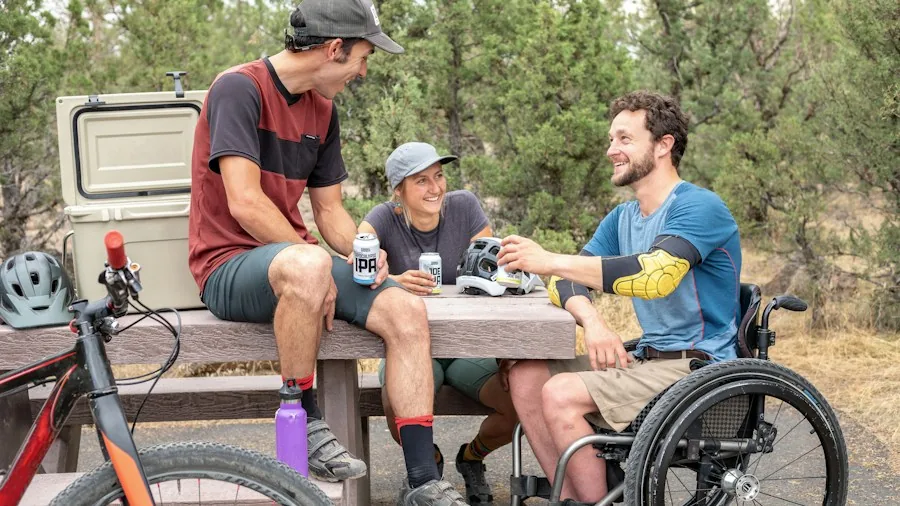
This boom in adaptive access isn’t random. The EXPLORE Act, signed into law in 2025, mandates expanded access to public lands for individuals with disabilities and encourages outdoor recreation participation. The law emphasizes clear, accurate trail information on park websites so visitors using mobility devices can understand conditions beforehand. This transparency allows families to plan confidently instead of guessing whether a trail will accommodate their needs.
Park officials have embraced the shift in philosophy. As one Rocky Mountain National Park partner noted, “It’s about more than equipment; it’s about ensuring that nature belongs to everyone.” This commitment reflects a broader recognition that accessibility isn’t a luxury amenity, but a fundamental right to public lands.
What Shoppers Should Know
If you’re planning a national park visit and have a family member with mobility challenges, your first step is checking your destination park’s website for adaptive equipment availability and reservation policies. Many parks operate on a first-come, first-served basis, so arriving early matters. Some parks, like Great Smoky Mountains, require registration for ranger-led adaptive programs.
Contact local partners near popular parks. Staff at visitor centers and partner shops can recommend specific trails suited to each device type. They’ll explain limitations, such as which areas lack wheelchair-accessible restrooms or parking. Since proper preparation matters, consider reviewing recommended apparel and weather conditions specific to your park and season.
Ask about companion devices. Some locations offer backpacks from specialty retailers or bike-stroller combinations with electric rentals, expanding options beyond traditional wheelchairs. Confirm whether park staff provide setup training, as many do, which saves you time and ensures safe operation.
Finally, understand that this access is still expanding. Not every park has adaptive equipment yet, but the trend accelerates monthly. Check the National Park Service website for the current list of participating sites and available devices.
For families who thought national park hiking was off-limits, the message is clear: your family belongs on these trails. Equipment is increasingly available, staff is trained to help, and parks are actively removing barriers to nature access.





Write Your Review
No reviews yet. Be the first to share your experience!