

In April 2026, the European Parliament approved a groundbreaking regulation that sets the first-ever bloc-wide welfare standards for dogs and cats across all 27 EU member states. With 558 votes in favor and only 35 against, this legislation marks a historic shift in how companion animals are bred, sold, and identified. While the rules apply directly to European shoppers and breeders, the implications are already reshaping conversations about cat welfare globally.
What Changed for Cat Buyers and Breeders
For decades, farm animals in the EU have had unified welfare protections, but cats and dogs operated under 27 different national systems. This patchwork approach created major loopholes: a breeding practice banned in one country could continue legally just across the border. The new regulation closes these gaps by establishing minimum standards that all member states must follow, while allowing individual countries to impose stricter rules if they choose.
The law affects breeding establishments, pet shops, and shelters through mandatory inspections and a public registry designed to increase transparency. This means buyers will have clearer information about who they’re purchasing from and how animals were raised. Small-scale breeders with no more than three breeding cats producing two litters or fewer per year are exempt from housing and breeding requirements, though they still must identify and register any animals they sell.
Microchipping and Registration Requirements
Every cat in the EU will eventually need to be microchipped and registered in interconnected national databases, even indoor cats that never leave home. Breeders, sellers, and shelters have four years to comply, while pet owners have fifteen years to register cats that were never bought or sold commercially. This extended timeline allows gradual implementation while creating a searchable system that makes illegal pet trafficking far more difficult. The database targets a long-standing loophole where animals are transported across borders as non-commercial travel companions, then quietly sold once they arrive.
Cracking Down on Extreme Physical Traits
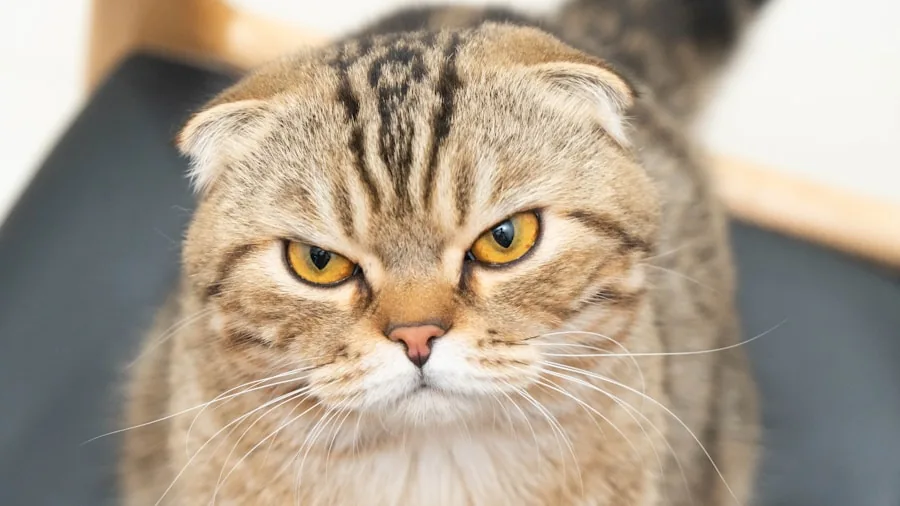
Perhaps the most controversial provision targets breeding for extreme physical characteristics. Breeds like Persian and Exotic Shorthair cats, prized for their flat faces, often suffer from narrowed airways and lifelong breathing difficulties. Similarly, Scottish Fold cats carry folded ears resulting from a genetic defect that causes progressive joint disease throughout their bodies, not just their ears. The regulation states that breeding of these brachycephalic cats may continue only if breeders take steps to minimize negative welfare consequences.
However, enforcement remains vague. The regulation does not define exactly what minimizing welfare consequences looks like in practice, which legal scholars have flagged as the law’s weakest point. This gray area does allow breeders to improve existing breeds by selectively breeding animals with less extreme features, gradually walking back problematic traits rather than banning them entirely. Some countries, like the Netherlands, are going further by banning certain breeds outright as of early 2026.
Ending Inbreeding Practices
One of the clearest provisions targets inbreeding directly. The law flatly prohibits breeding between parents and offspring, grandparents and grandchildren, or siblings and half-siblings. Limited gene pools increase the risk that recessive and harmful genes pair up in offspring, leading to deformities, poor joint structure, immune problems, and inherited heart and kidney disease. Preventing inbreeding won’t eliminate hereditary disease altogether, but it significantly reduces the chances of multiple faulty gene copies accumulating in a single kitten.
What This Means for Shoppers Outside Europe

Even if you live in North America, this regulation matters. Breed standards, buyer expectations, and breeder practices move across borders more easily than legislation does. When considering a new cat, understanding the health implications of extreme physical traits becomes increasingly important. If you’re shopping for a cat bed, water fountain, or other supplies, you’ll want a healthy pet to enjoy them. Educating yourself about breed health standards puts you one step closer to choosing a cat that will thrive for years to come.
The regulation also includes some practical gaps. Cats living on farms are excluded from protections entirely, which animal welfare groups have already questioned. Much of the detail regarding housing standards, inspection frequency, and exact enforcement remains in rules yet to be written. With transition periods stretching from two to fifteen years depending on the provision, measurable welfare improvements will happen gradually rather than overnight.
The Bigger Picture
This European law represents a watershed moment in recognizing that cuteness and health are not always compatible. For years, veterinarians have explained to hopeful cat parents why that impossibly squished face or those irresistibly folded ears often come bundled with a lifetime of breathing problems or joint pain. Seeing that conversation reflected in binding law rather than left to individual veterinarians marks genuine progress. While changing legislation alone won’t revolutionize how people think about animal welfare, it sparks crucial conversations about the long-term health costs of breeding for appearance. Understanding why these laws are being passed matters just as much as the laws themselves, helping shoppers make more informed, compassionate choices about their next feline companion.





Write Your Review
No reviews yet. Be the first to share your experience!