
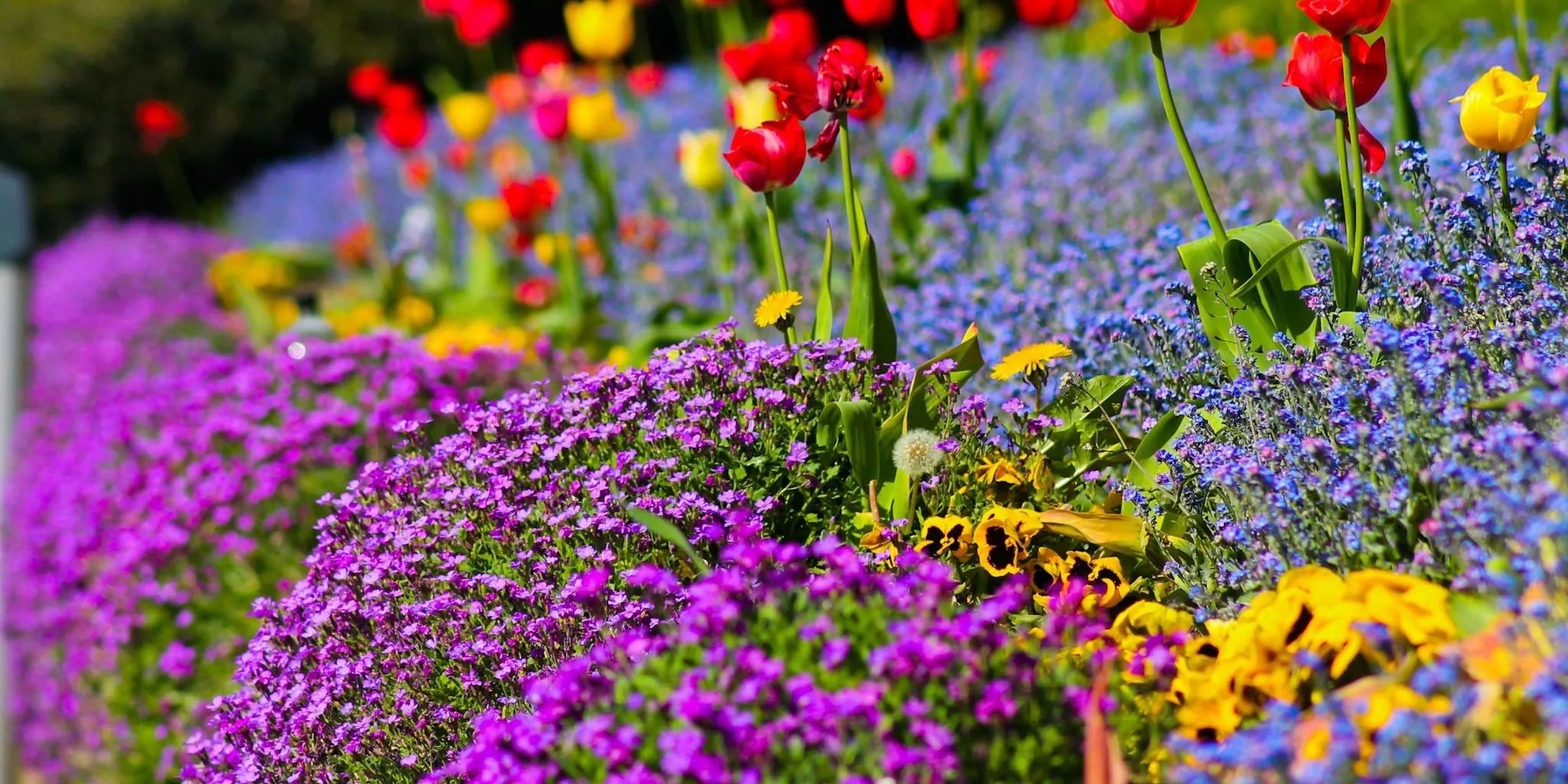

A fresh wave of groundcover plants is reshaping how homeowners design their borders and manage summer heat. These new varieties, which recently became available to US gardeners, combine the practical benefits of traditional groundcover with stunning ornamental appeal that rivals much taller plants.
Why Groundcover Matters More This Summer
Groundcover plants serve a critical function during hot months. They act as a living mulch, locking moisture into soil and shielding roots from extreme temperatures. For anyone dealing with increasingly unpredictable weather, this practical benefit matters. Yet the newest options go far beyond function. Breeders have introduced flowering varieties that maintain color from spring through fall, changing what shoppers should expect from this category.
Hydrangeas Go Low: The Groundbreaker Series
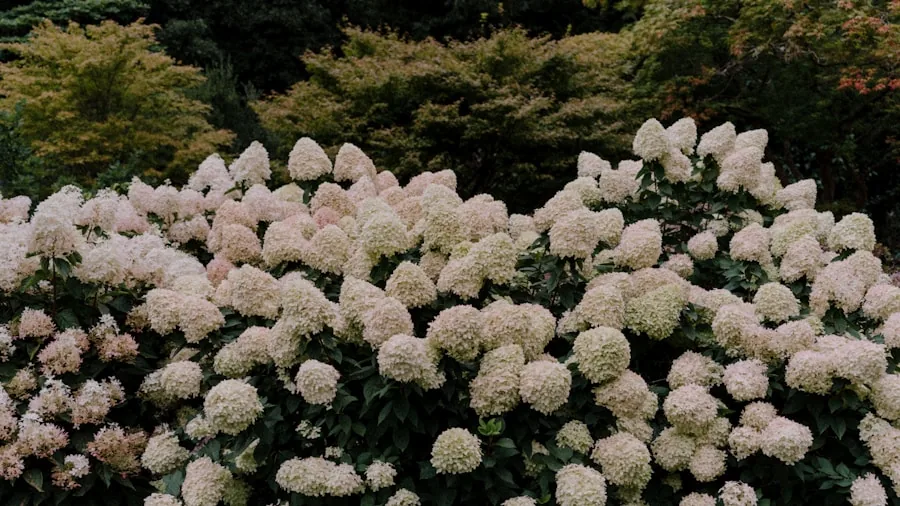
The most eye-catching newcomer is the Groundbreaker hydrangea, which launched in the US market in July 2026. This marks the first-ever spreading groundcover version of patagonia hydrangea, growing just 12 to 16 inches tall while spreading up to 32 inches wide. The variety produces conical flower clusters for up to 100 days, with color-changing blooms that shift from white to pink, ruby red, or lime green depending on the selection.
These plants are already selling out quickly, so if you want one, act soon. All three varieties are currently stocked by major plant retailers, and they require minimal maintenance despite their ornamental impact.
Roses Reimagined for Borders
Drift roses offer another breakthrough. Bred as a cross between full-size groundcover roses and miniature varieties, they deliver abundant blooms from spring through late fall without needing deadheading. Unlike traditional roses, they resist common issues like black spot and powdery mildew. Colors range from golden yellow and coral to deep scarlet, with many varieties shifting tone as they mature. The trade-off: most have little to no fragrance.
Unexpected Options for Every Space
Blue Waterfall bellflower brings a designer aesthetic to borders. Professional landscape architects regularly use this trailing perennial, which spreads quickly to form dense groundcover with ice-blue star-shaped flowers lasting through fall. It thrives in most soils with just five hours of sunlight daily.
For small gardens, Firewitch dianthus creates a dense, weed-blocking mat of silvery-blue foliage topped with pink blooms and a spicy clove scent. Its evergreen leaves persist through most climates, and it tolerates full sun across zones 3 through 9.
Silvery Sunproof liriope (also called monkey grass) forms clumps rather than spreading runners, making it ideal for underplanting larger shrubs. This drought-tolerant variety thrives in dry shade once established and produces purple flower spikes in midsummer that last into fall.
When selecting plant varieties that feed pollinators into fall, consider sedum options. SunSparkler Dazzling Dynamite sedum combines burgundy-red foliage with bright pink flowers while remaining heat and drought tolerant. Deer typically avoid it, yet pollinators seek it out.
Seasonal Solutions Worth Considering

Cool Wave pansies offer a unique path forward. This trailing variety works as groundcover in borders and blooms for months. Behavior varies by zone: in zones 5 and 6, plants go dormant through winter then bounce back in spring; in zones 7 through 9, they bloom nearly continuously year-round; in zones 10 and 11, wait until summer heat passes before planting. Treat them as annuals in zone 4 and colder regions. They prefer cooler conditions, so plant them where afternoon shade protects them during intense heat.
What This Means for Your Garden Plans
The shift toward flowering groundcover changes the calculus for border design. Traditionally, gardeners chose groundcover for function alone, then added separate plants for color. These new introductions merge both roles. You can now achieve continuous blooms and attractive foliage while managing soil moisture and temperature.
Stock limitations are already appearing, particularly with the Groundbreaker hydrangeas, so delaying a purchase risks missing out. Most options prefer full sun to partial shade, though some handle shade better than others. Prices remain reasonable compared to traditional ornamental plants of similar visual impact.
When planning patio designs with plants that manage insects, groundcover selections expand your options for creating layered visual interest. These new varieties support that strategy while maintaining low maintenance requirements.
The availability window for these newer selections may not last long. Check with local and online retailers immediately if any appeal to your gardening plans and climate zone. The combination of practical benefits, extended bloom periods, and genuine visual interest makes this growing category worth exploring now rather than waiting until next season.



Write Your Review
No reviews yet. Be the first to share your experience!