
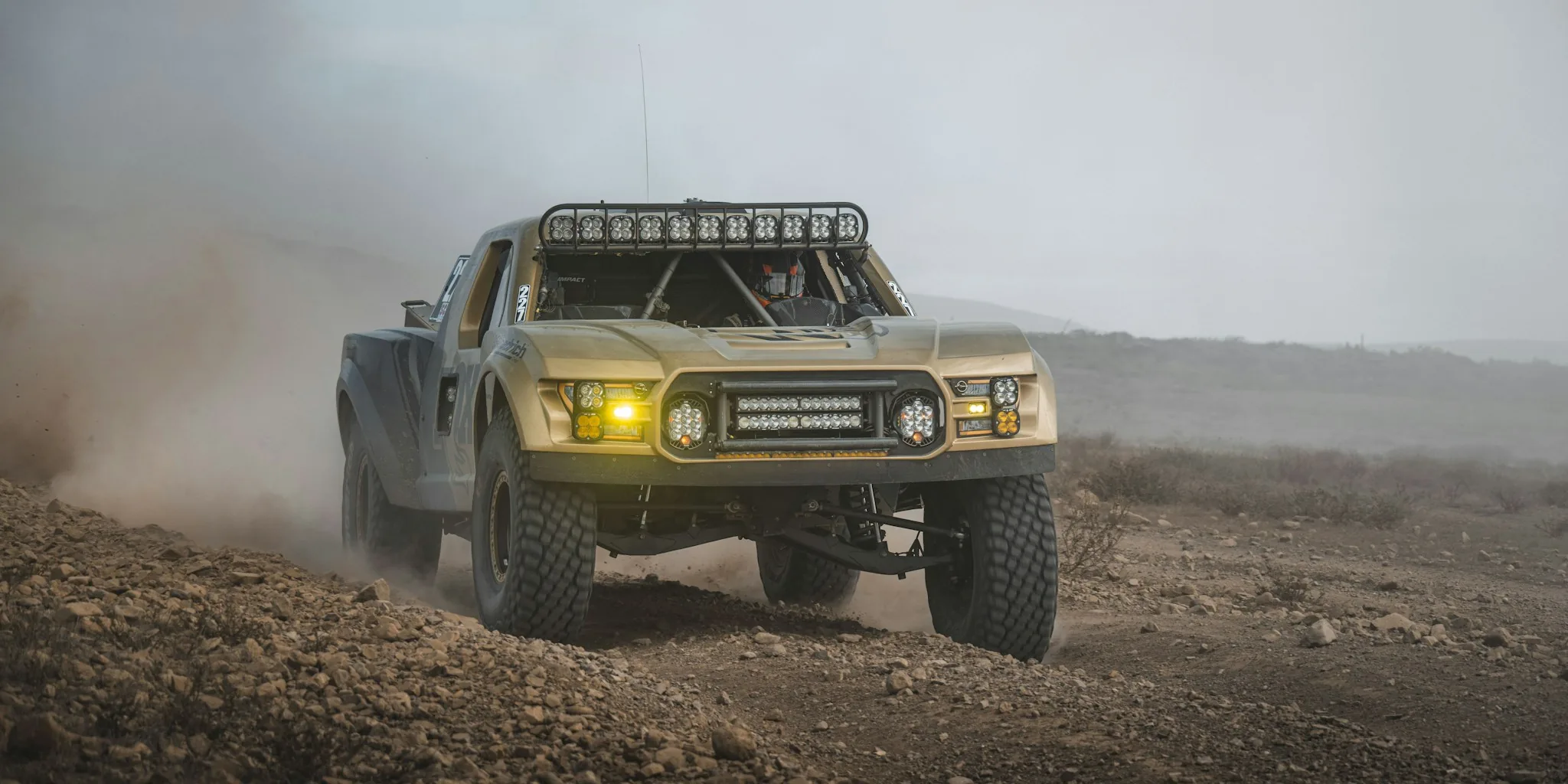

Nissan just unveiled its latest SEMA concept truck, and it signals serious intent in the high-performance pickup segment. The Frontier Ronin, a radically modified version of the Frontier mid-size truck, takes aim directly at Ford’s Ranger Raptor with a desert-focused design that combines turbocharged power with serious off-road hardware. For shoppers considering their next truck purchase, this concept reveals where Nissan is headed and what might be possible in the near future.
Twin-Turbo Power Under the Hood
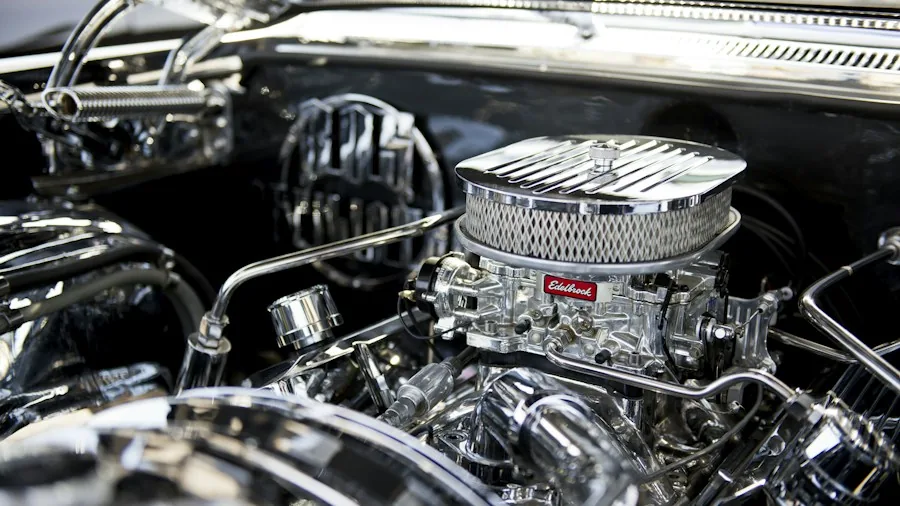
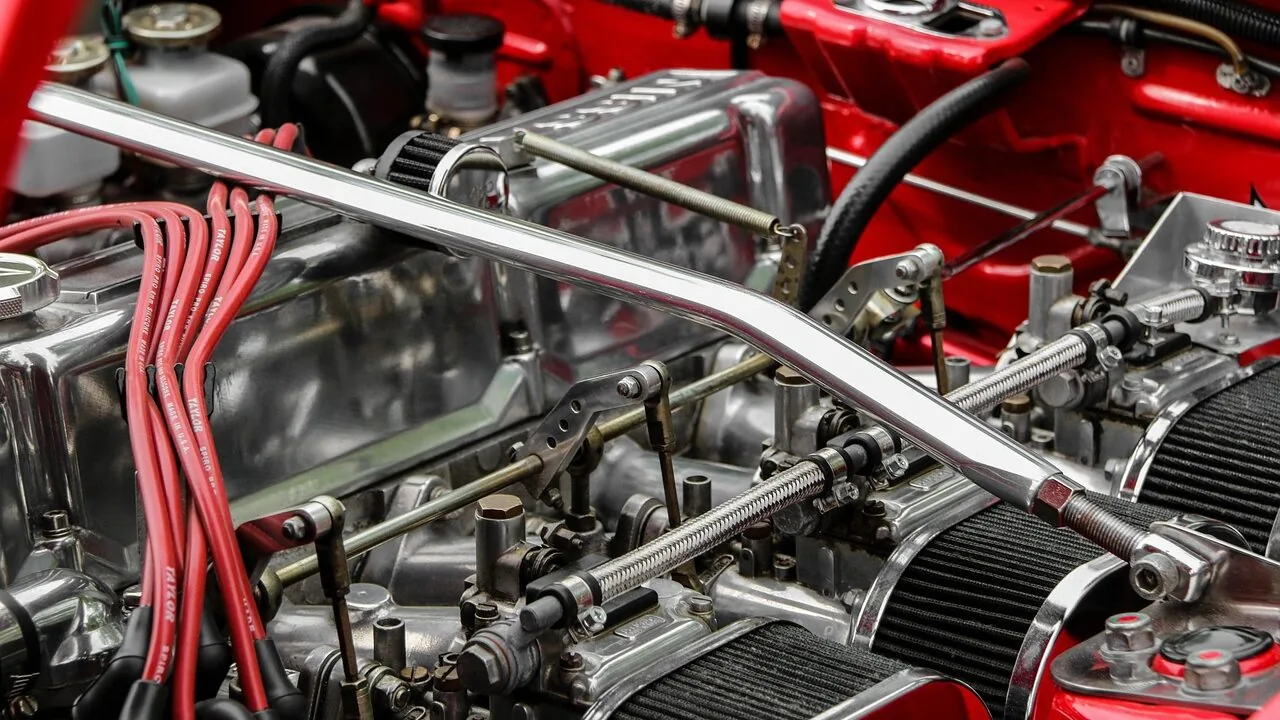
The stock Frontier comes with a 3.8-liter V-6 engine producing 310 horsepower. Nissan’s engineers completely reimagined this powerplant by bolting on a dual-turbocharged system sourced directly from the R35 Nissan GT-R supercar. This rear-mounted forced induction setup feeds the engine through custom air intakes while a front-mounted intercooler keeps temperatures in check. A NISMO off-road exhaust system with three-inch cutouts routes exhaust gases backward in true high-performance fashion.
The automaker hasn’t released exact horsepower figures, but expect substantially more grunt than the standard 310 horses. This level of engineering demonstrates that Nissan is serious about competing in the premium performance truck category where buyers demand both everyday reliability and extreme capability.
Suspension and Off-Road Geometry
Where the Ronin truly separates itself from a standard Frontier is in its suspension architecture. Rather than starting from scratch, Nissan borrowed components from the larger Titan truck, including its rear axle and suspension components, then heavily modified both. The Ronin rides on a Bilstein Black Hawk suspension package featuring four-way adjustable coil-overs with internal hydraulic bump stops. This setup allows for individual tuning of high-speed and low-speed compression, rebound, and bypass damping for precision handling across varied terrain.
Custom CJD Racing long-travel components provide four inches of additional lift and extend suspension travel to 14 inches total. The truck also gains 12 additional inches of width through the suspension geometry changes. Rolling stock includes prototype NISMO Ascend beadlock wheels wrapped in Yokohama Geolandar X-AT tires, a combination purpose-built for desert running rather than technical rock crawling. This positioning puts the Ronin squarely in competition with the Ford Ranger Raptor and similar desert-focused performance trucks.
Desert Runner, Not Rock Crawler
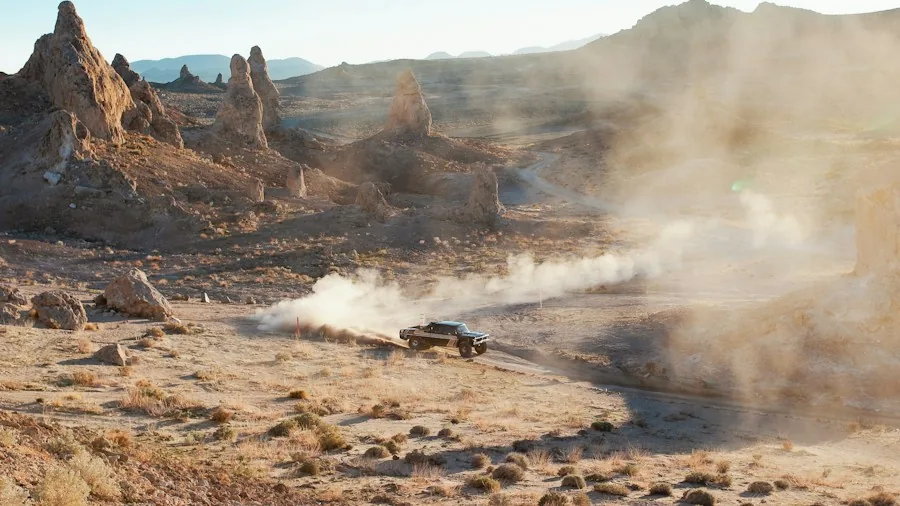
An important distinction separates the Ronin from other modified trucks. Nissan deliberately engineered this concept as a desert runner, not a rock-crawling machine. This means the suspension tuning, tire selection, and overall geometry favor smooth high-speed running across open terrain and uneven ground rather than technical climbing and obstacle navigation. For buyers interested in tackling Baja-style terrain or desert exploration, this design philosophy matters significantly.
The extended suspension travel and adjustable damping allow drivers to absorb massive impacts while maintaining vehicle control at speed. This is fundamentally different from a lifted truck designed primarily for awkward angles and steep grades. When you’re shopping for a performance truck, understanding this distinction helps clarify what the vehicle can actually do.
What This Means for Future Frontier Models
Nissan’s SEMA concepts rarely appear on showroom floors unchanged, but they regularly preview engineering directions and design themes that influence production vehicles. The Ronin shows that Nissan is exploring turbocharged powertrains, premium suspension partnerships, and serious off-road capability for the Frontier lineup. As truck buyers evaluate options for protecting their investments, models with advanced suspension geometry and performance tuning become more appealing.
The use of Titan components suggests Nissan plans to leverage its existing parts ecosystem to bring performance upgrades to more affordable mid-size packages. Turbocharged engines reduce size while maintaining output, making them ideal for trucks where space and weight are constraints. This concept represents an accessible path to genuine performance for Frontier buyers who want capability beyond standard trim levels.
The Competitive Landscape
Ford’s Ranger Raptor has proven that buyers will pay premium prices for mid-size trucks with desert-focused engineering. The segment continues expanding as manufacturers recognize the opportunity. By showing the Ronin at SEMA, Nissan signals it’s ready to challenge this market segment seriously. Whether through a dedicated performance variant, a comprehensive accessory package, or both, expect the Frontier to offer more compelling performance options in the coming years.
For shoppers currently choosing between mid-size trucks, this concept demonstrates that Nissan is developing real alternatives to existing performance offerings. The truck market continues adding specialized variants for different buyer priorities, creating more choices than ever before. Keep an eye on official Nissan announcements for production versions of this technology.



Write Your Review
No reviews yet. Be the first to share your experience!