
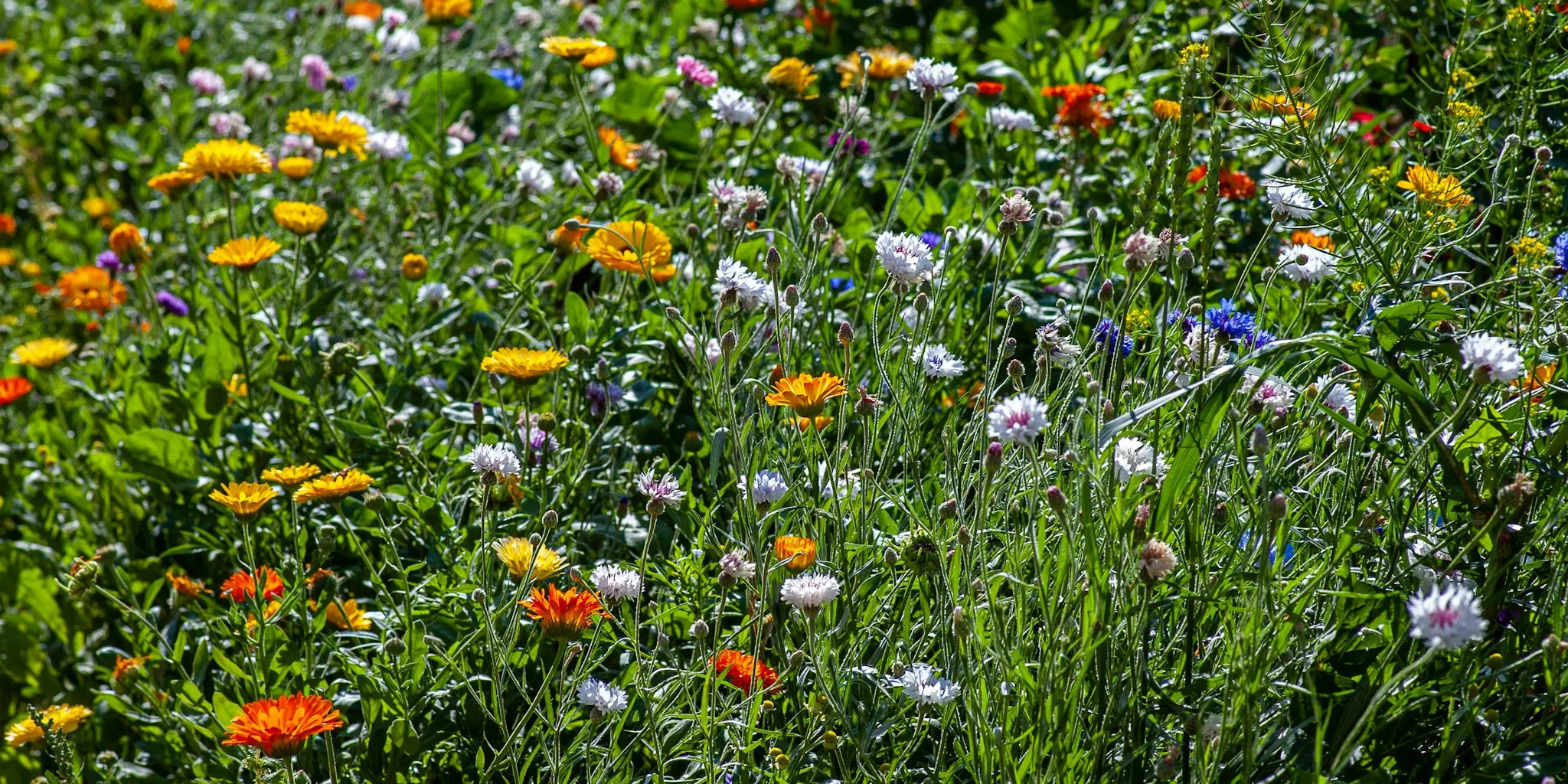

As fall settles in and summer gardens begin to lose their vibrancy, many homeowners assume their outdoor space is heading into dormancy. However, October can actually be one of the most important times to keep your garden in full bloom. A carefully planted selection of late-season flowers not only maintains visual appeal through the autumn months, but also provides critical food sources for bees, butterflies, and other pollinators facing significant environmental pressures.
Why October Blooms Matter for Wildlife
By October, most flowering plants have faded, leaving pollinators in a desperate search for nectar and pollen. Climate change, habitat loss, and pesticide exposure have already stressed many bee species, with some now classified as endangered. Your garden can become a vital rest stop during this crucial transition period. By selecting flowers that bloom into fall, you’re effectively creating a small habitat that supports local wildlife when they need it most.
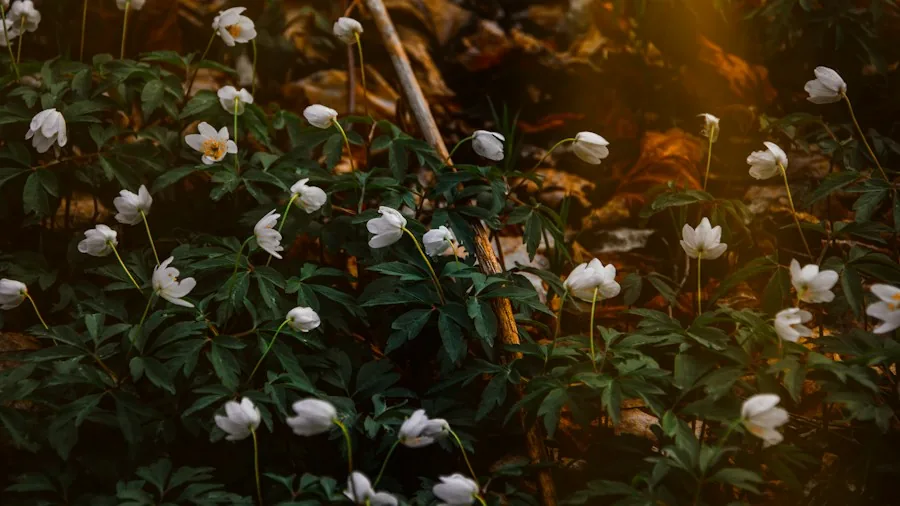
Japanese Anemone
These elegant perennials offer delicate pink or white blooms that extend well into October. Their open flower structure makes it easy for bees and other insects to access nectar and pollen. Plant these tall varieties at the back of borders where they’ll tower over shorter plants. They prefer good light and well-draining soil, and can become reliable performers in your late-season garden year after year.
Asters
Asters are essential for any fall pollinator garden. Their daisy-like flowers arrive in shades of purple, pink, blue, and white precisely when most other plants are shutting down. Native aster varieties are particularly valuable if supporting local wildlife matters to you. Different cultivars mature at different times, so check bloom schedules before purchasing. When the right variety is placed in an ideal location, asters create a spectacular display that butterflies and bees simply cannot resist.
Goldenrod
Despite its unfair reputation for causing fall allergies (ragweed is actually the main culprit), goldenrod is a powerhouse nectar and pollen source. Its clouds of yellow flowers practically vibrate with visiting insects during peak bloom. The plant is especially valuable in its native form and can transform an otherwise quiet corner of your yard into a buzzing feeding station by late summer.
Zinnias
For maximum color with minimal effort, zinnias deliver exceptional results into fall. Available in nearly every color imaginable, these easy-to-grow favorites attract butterflies and bees throughout their long season. With regular deadheading, many varieties continue producing flowers until frost arrives. Plant them in full sun and keep removing spent blooms, and your garden will stay vibrant well into October. Using quality gardening gloves makes this maintenance task more comfortable during cool autumn weather.
Sedum
Autumn-blooming sedums add both structure and color to tired fall gardens. Their dense clusters of tiny flowers attract bees and butterflies, and many varieties display changing colors as temperatures drop, extending their visual interest even before winter sets in. Once established, sedums are drought-tolerant and require minimal maintenance, making them practical choices for busy gardeners.
Black-Eyed Susan
These cheerful yellow flowers with dark centers bloom from summer through fall, providing consistent color when other plants fade. They attract bees, butterflies, and eventually seed-eating birds. For the longest display, remove spent flowers regularly, though leaving some seed heads standing offers additional wildlife value later in the season. Raised garden beds can showcase these beauties while keeping your garden organized and accessible.
Mexican Bush Sage
In warmer parts of the United States, Mexican bush sage produces spikes of purple-and-white flowers that continue flowering into October. Its tubular blooms are irresistible to nectar-seeking insects. However, this plant isn’t hardy everywhere, so gardeners in colder climates should treat it as an annual or bring it indoors for winter protection. Those in suitable zones can enjoy it as a reliable perennial that keeps the fall garden active and thriving.
Planning Your October Garden
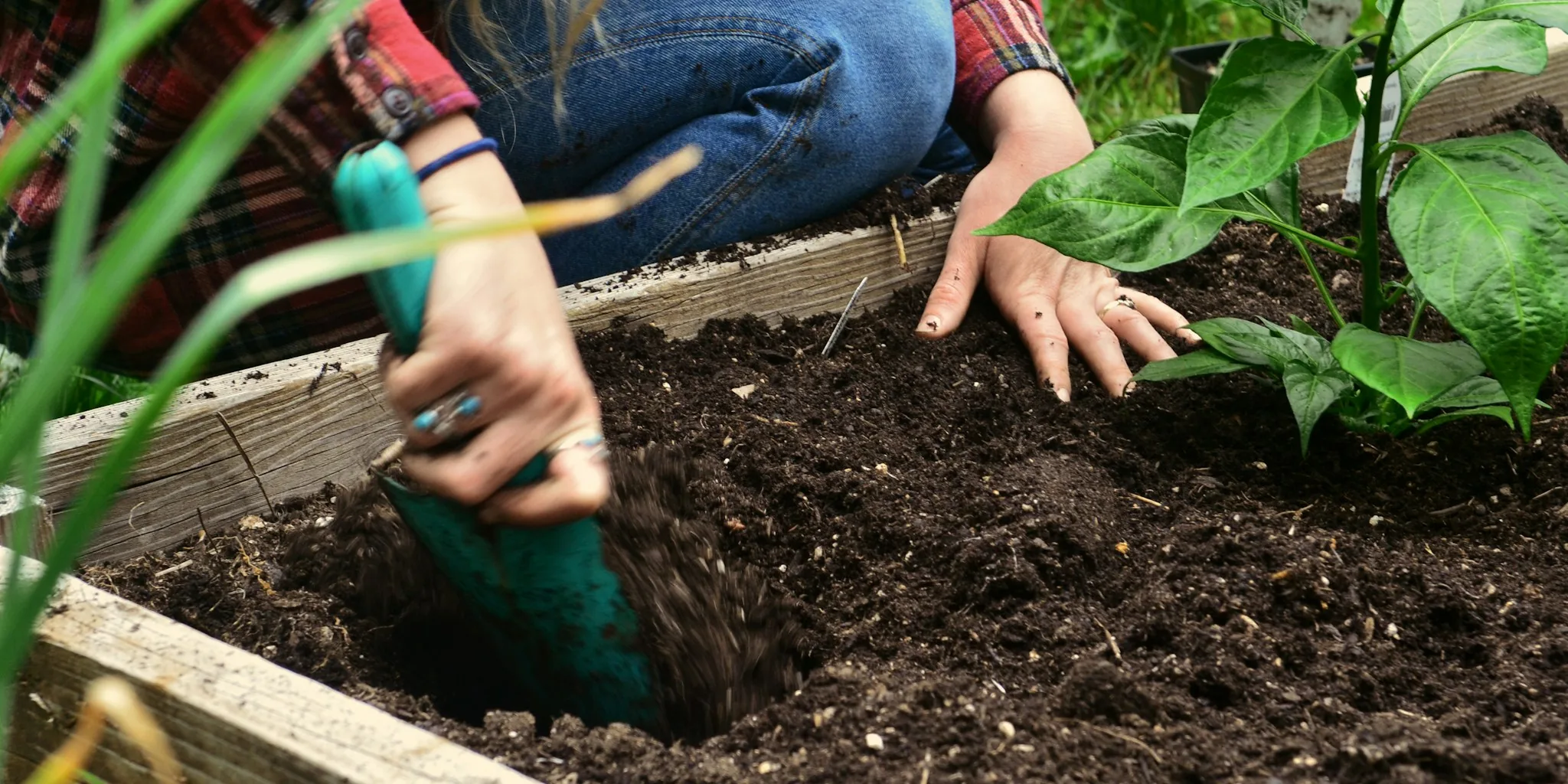
Creating a pollinator-friendly fall garden requires thoughtful plant selection and placement. A reliable garden hose makes watering newly planted flowers easier during establishment. Choose varieties that suit your USDA growing zone and expected bloom times, as these factors vary significantly by region.
Starting with just a few of these seven options will measurably improve your garden’s value to struggling pollinator populations. You don’t need a massive space or extensive gardening experience. Even a modest selection of late-blooming flowers transforms an ordinary flower bed into a bustling wildlife habitat precisely when pollinators need support most. As temperatures drop and the calendar turns toward November, your October garden becomes far more than just a pretty display, it becomes essential infrastructure for the insects and wildlife that depend on your property for survival.


Write Your Review
No reviews yet. Be the first to share your experience!