

Long distance thru hiking has traditionally been reserved for those willing to pitch a tent and sleep on the ground every night. But a new approach to multi day hiking is challenging that assumption, opening up extended trail adventures to people who want comfort alongside their outdoor experiences.
A Game Changer for Reluctant Campers
Not everyone who loves the outdoors enjoys sleeping in a tent. Whether due to back pain, physical limitations, or simple preference, many hikers of all ages have skipped major thru hiking routes because they required camping as part of the core experience. The Pacific Northwest now offers an alternative that lets people pursue extended hiking without sacrificing comfort.
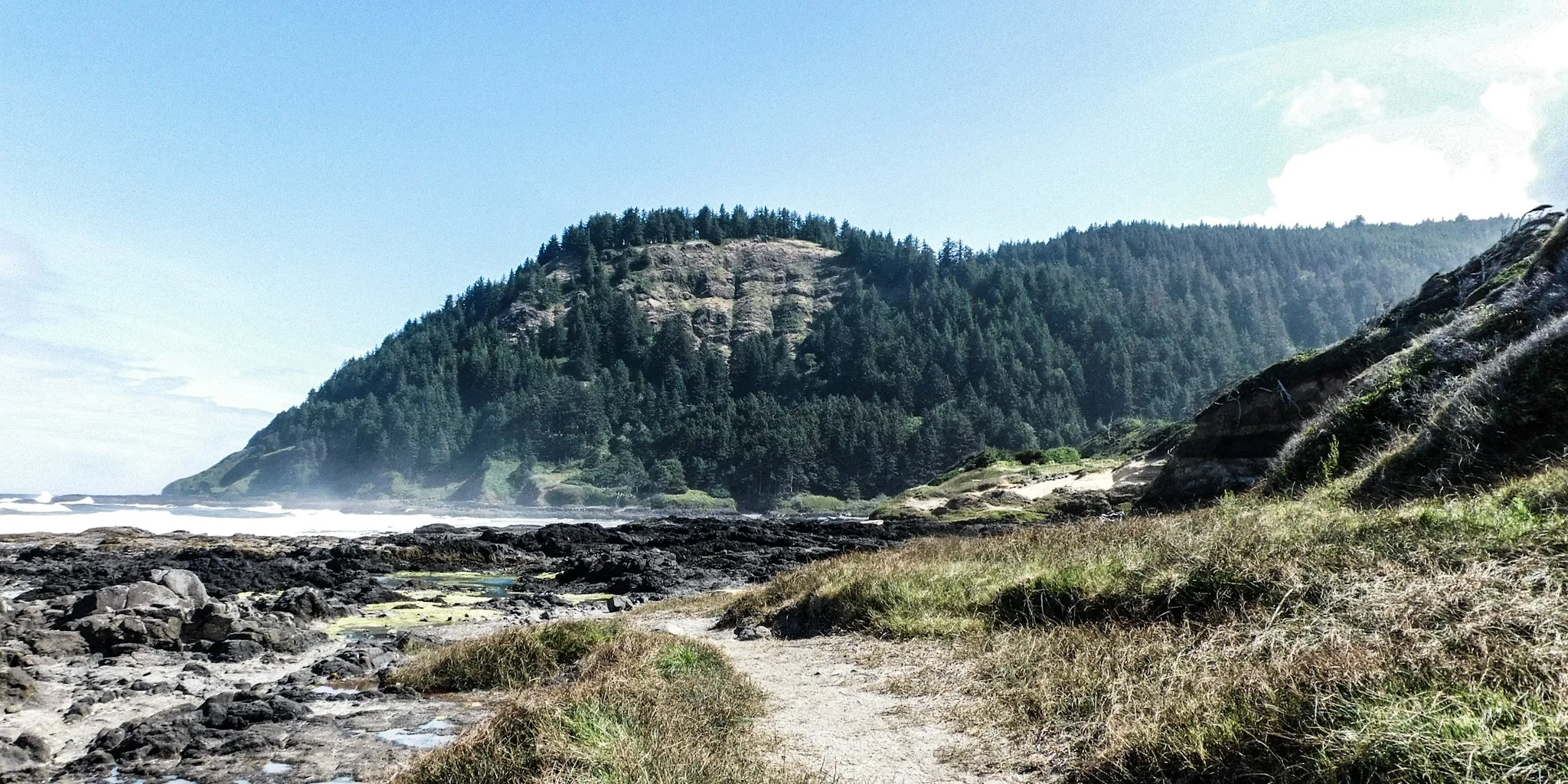
The Oregon Coast Trail spans 400 miles along the state’s dramatic shoreline, running from the Washington border southward to California. Unlike most long distance trails that funnel hikers through established campsites, the OCT passes through numerous seaside towns offering a full spectrum of lodging choices. Travelers can stay at state park campgrounds, budget friendly motels, Airbnbs, or upscale hotels, depending on their preferences and budget. This flexibility transforms a multi week adventure into something genuinely customizable.
Why This Trail Works for Everyone

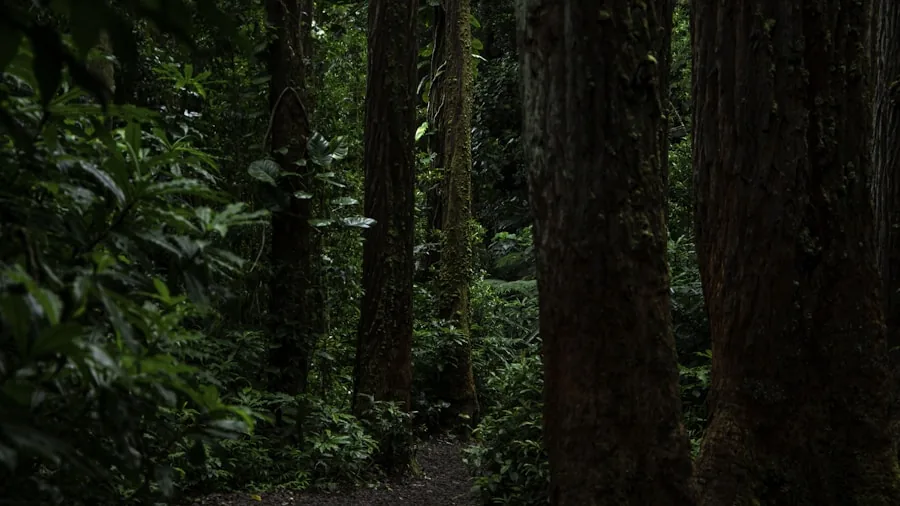
The route itself delivers remarkable scenery without excessive difficulty. Hikers traverse pristine beaches, walk through lush coastal rainforests dominated by Sitka spruce trees, and pass through charming tourist communities. The elevation gain remains moderate throughout, and the trail is well marked. Unlike the Pacific Crest Trail or Appalachian Trail, the OCT requires no permits and has no lottery system, making entry straightforward.
The landscape supports impressive wildlife viewing opportunities. Hikers regularly encounter seals, sea lions, puffins, Roosevelt elk, and numerous seabird species. A typical day might involve hours of solitude on an empty beach followed by a walk through a small town and then climbing into a coastal forest.
The Real Cost Advantage
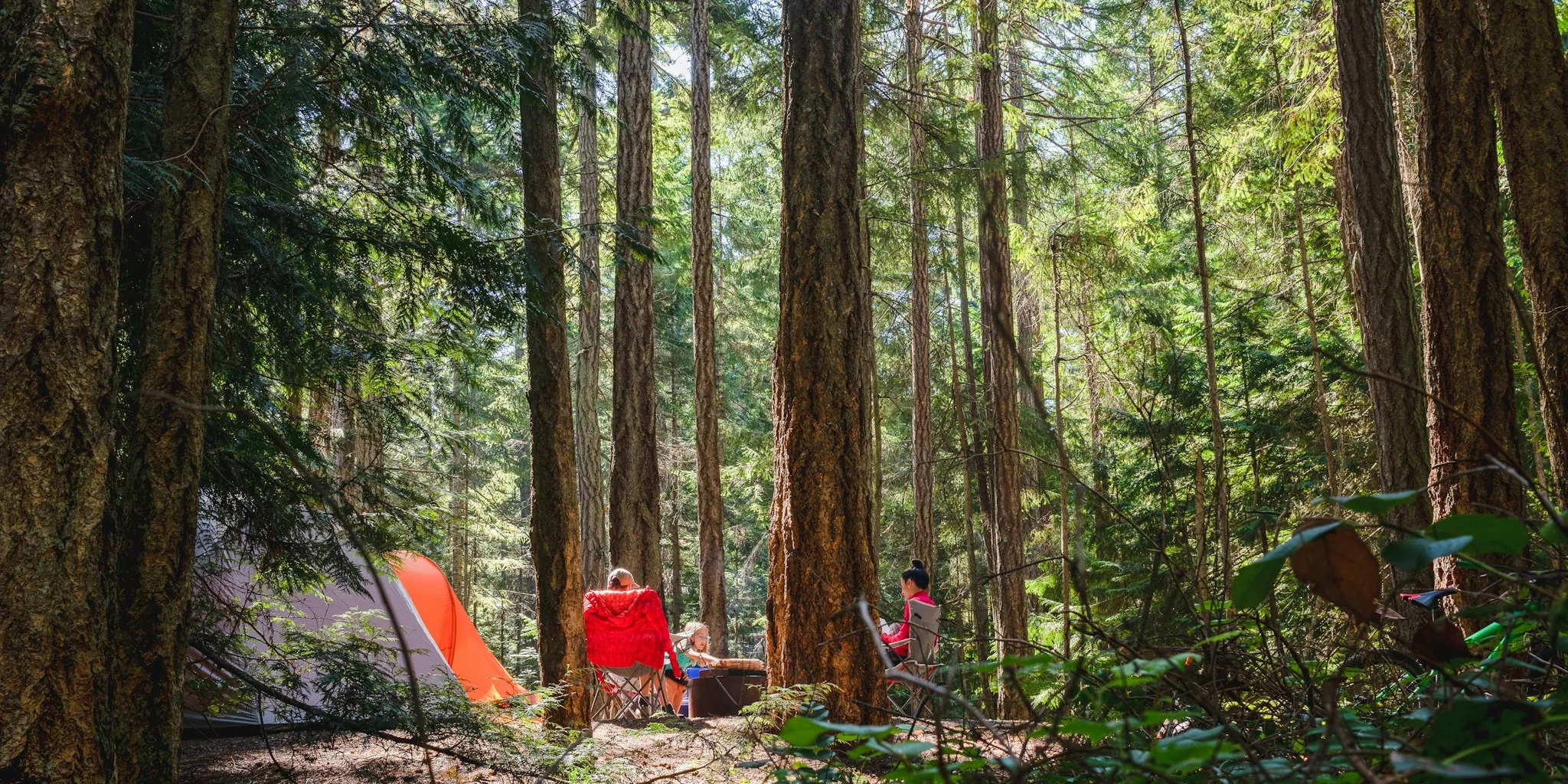
Many assume that staying in hotels instead of camping will blow their budget, but the math tells a different story. Dispersed camping is restricted along most of the OCT, so traditional campers must use Oregon State Park campgrounds or private facilities. These commonly charge up to 70 dollars per night. A modest motel room in a coastal town often costs surprisingly little more, and sometimes less depending on the location and season.
Beyond lodging costs, hotel based hiking offers another major savings: pack weight. Carrying a tent, sleeping bag, and sleeping pad adds significant pounds that hotels eliminate entirely. A lighter pack means faster daily progress, which translates to completing the trail in fewer days and nights. The accommodation savings may offset the faster pace, making the total trip cost comparable to a traditional backpacking approach.
Practical Planning Considerations
Towns along the OCT are unevenly distributed, which means hikers must build flexibility into their itineraries. Some days require short 10 mile stretches, while others demand 20 mile plus days to reach the next lodging. This variation keeps the experience dynamic but requires advance planning.
Food and supply strategy becomes simpler without camp cooking requirements. Grocery stores appear frequently, allowing hikers to eat fresh fruit, sandwiches, and other perishables instead of relying solely on dehydrated meals. The abundance of restaurants, cafes, breweries, and seafood establishments throughout the region means treating yourself to quality meals becomes part of the adventure. Whether you prefer budget conscious grocery store stops or want to enjoy local cuisine, the options accommodate any approach.
At several points, arranging ferry or boat transportation eliminates miles of walking along narrow road shoulders. These water crossings, which typically cost between 10 and 40 dollars, offer the bonus of experiencing the landscape from a different perspective while connecting with local operators.
Getting Started and Staying Informed
The Oregon Coast Trail Foundation maintains the route and provides planning resources on its website. A detailed guidebook breaks down sections day by day and includes essential logistics information. Since many trail sections connect to public transportation routes, you can complete portions of the trail without owning a car, making it accessible to urban based hikers.
Summer represents peak season on the Oregon Coast, so weekend and holiday lodging can fill quickly. Booking accommodations in advance, especially from June through August, prevents disappointment.
Redefining What Hiking Means
The outdoor community sometimes judges hiking approaches that deviate from traditional backpacking standards. Ignore that gatekeeping. The point of getting outside is to enjoy the experience in whatever way works for your body, schedule, and preferences. The Oregon Coast Trail proves that you can tackle a substantial multi day adventure without conforming to outdated expectations about how hiking should look.





Write Your Review
No reviews yet. Be the first to share your experience!