


Talking to kids about growing up has never been easy for parents, but a new wave of celebrity voices is helping normalize these essential conversations. According to recent research, nearly 43 percent of mothers feel unprepared to discuss periods with their children, making this an area where many families struggle. The good news: experts and experienced parents are stepping forward with practical strategies to make these discussions less scary and more bonding.
Why Parents Fear These Conversations
The discomfort around discussing puberty and menstruation often stems from how parents were raised themselves. Many grew up in households where these topics were off limits, leaving them without a roadmap for having open talks with their own tweens and teens. This generational shift means parents today are trying to break cycles while simultaneously managing their own anxiety about the subject matter.
One key insight from parenting experts: the fear is often worse than the actual conversation. Parents report feeling more nervous than their children, largely because they expect the discussion to be one big, intimidating moment rather than what it actually should be: a series of smaller, casual talks over time. When you reframe it this way, the pressure eases significantly.
Building Trust Through Open Communication
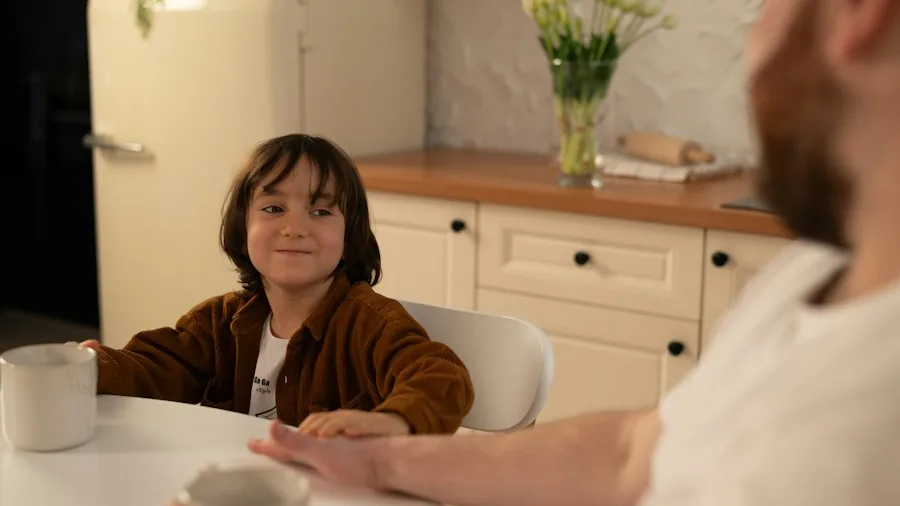
Finding trustworthy parenting information you can actually use helps parents approach these conversations with confidence. The most successful parents share a common strategy: they keep things casual, sometimes even humorous, while maintaining a judgment-free zone where kids feel safe asking questions.
The foundation of these conversations is simple but powerful. Parents who commit to keeping an open dialogue about anything, without judgment, create an environment where children feel comfortable sharing the difficult stuff alongside the fun stuff. This doesn’t mean parents won’t have private thoughts about what they hear, but kids don’t need to sense that hesitation. What they need is reassurance that they won’t be shamed or criticized for asking questions or sharing concerns about their changing bodies.
Preparation is another game changer. When parents educate themselves beforehand about what to expect and how to approach the conversation, they gain confidence that naturally transfers to their children. This preparation takes the edge off nervousness and allows parents to focus on listening and supporting rather than scrambling for words.
Normalizing Menstruation in Your Family

One effective strategy is simply reminding kids that menstruation is a normal biological process affecting over half the global population. Framing it as completely ordinary, rather than as something embarrassing or shameful, shifts the entire tone of the conversation. Couples can also work together to present a united front, ensuring kids see that both parents are comfortable discussing this topic.
Understanding the stress around parenting conversations helps families recognize that discomfort is temporary, but the trust you build lasts a lifetime. When a child has their first period and can turn to a parent without shame, that becomes a bonding moment rather than a source of anxiety for either party.
What This Means for Shoppers and Parents
For parents shopping for period products, educational resources, or conversation guides, now is the time to invest in tools that make these discussions easier. Many companies are developing parent-friendly materials, conversation starters, and product information that normalizes the topic and empowers families to talk openly. Look for brands that provide not just products but also guidance on how to have these conversations with confidence.
The broader message is clear: celebrity moms and parenting experts are revealing real lessons that show these conversations don’t have to be traumatic. By normalizing the dialogue, preparing yourself with facts, and committing to a judgment-free approach, any parent can successfully guide their child through these important developmental milestones.
The generation growing up today benefits from parents who are willing to have these conversations openly. By breaking the silence and destigmatizing puberty and menstruation, families create stronger bonds and give kids the confidence to navigate their bodies and ask for help when they need it. That shift in parenting approach is something every shopper looking for products and guidance can champion.





Write Your Review
No reviews yet. Be the first to share your experience!