

A Pittsburgh-based specialty coffee roaster is marking nearly four decades in business with significant upgrades to its operations, signaling what quality-focused coffee lovers should expect from the evolving marketplace. La Prima Espresso Company has completed an expansion of its roastery facility, introducing new production equipment and streamlining its product lineup to emphasize quality over quantity. For shoppers seeking premium coffee beans, this shift reflects a broader industry trend toward intentional sourcing and limited-release offerings.
What Changed at the Roastery
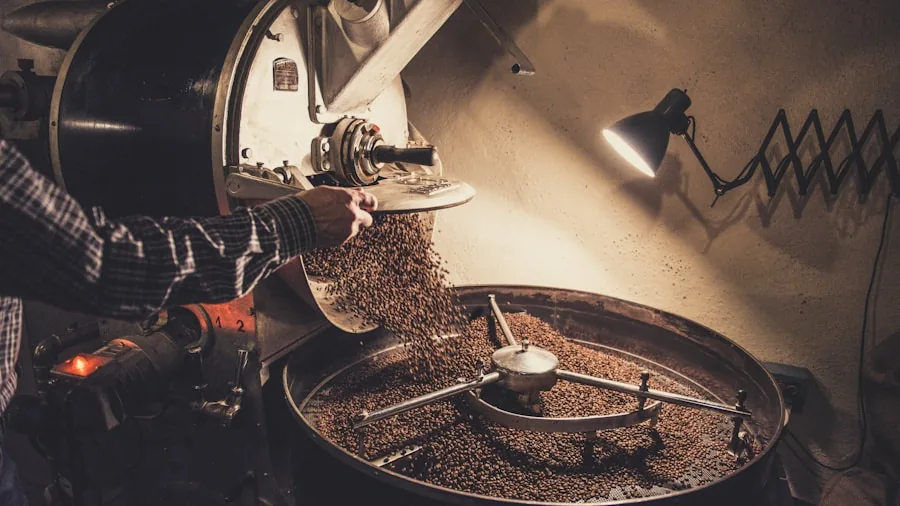
The Pittsburgh roaster’s expanded 6,000-square-foot facility, now branded as Torrefazione La Prima, includes upgraded workspace and fresh equipment designed to improve efficiency and accuracy. A new weigh-and-fill machine now operates alongside the company’s existing roasting equipment, managed by a head roaster with 25 years of tenure. The expanded roastery also features additional office space to support the company’s five retail cafes and its wholesale distribution network.
Beyond the physical infrastructure, the company invested in new branded merchandise and refreshed its visual identity. Working with a design firm, the roaster redesigned its retail packaging to eliminate the need for manual stickers. The new bags use 60-percent compostable material and employ a color-coding system across espresso blends, single-origin coffees, decaffeinated options, and drip coffees. This packaging approach makes it easier for customers to navigate the shelves and maintains consistency across all locations.
Fewer Choices, Higher Quality
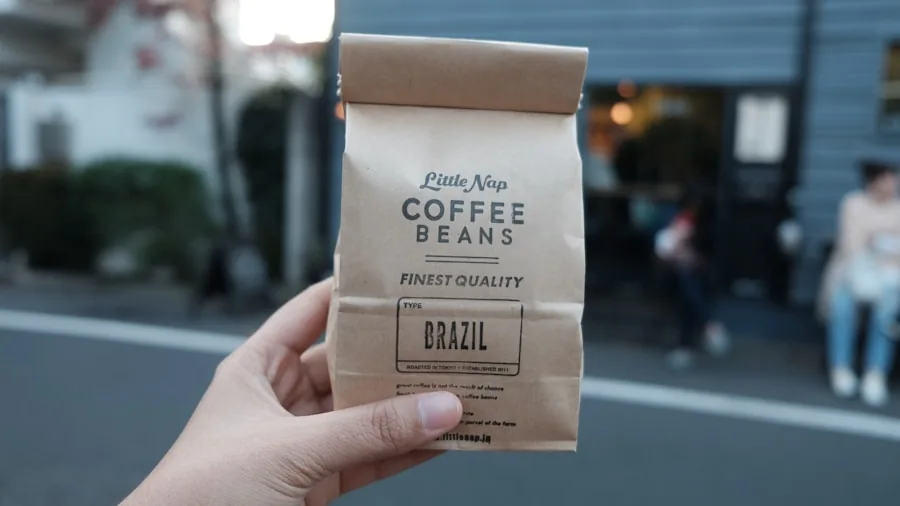
Perhaps the most significant change for shoppers is the deliberate reduction in the company’s single-origin coffee lineup. Rather than offering approximately ten single-origin coffees at any given time, the roaster now focuses on three or four rotating selections. This decision reflects a philosophy that fewer, carefully selected options deliver more value than a broad array of convenient choices.
The curated lineup emphasizes distinct coffee profiles and processing methods. The selection includes robust natural-process coffees, clean washed-process coffees, and options with pronounced chocolate or fruit characteristics. The company prioritizes microlots, certified coffees, and beans from producers with whom they maintain direct relationships. This approach means each offering comes with a compelling story about its origin and production method, beyond simply tasting excellent.
For consumers searching for specialty coffee, this model offers clear advantages. You can find quality grinders to prepare beans properly once you’ve selected from a curated list, and the reduced complexity helps you make confident purchasing decisions. The focus on meaningful relationships with farmers also supports more sustainable and equitable coffee production.
What This Means for Coffee Shoppers
The roaster’s expansion and strategic refocus carry implications for anyone who buys specialty coffee. The emphasis on smaller, more intentional selections suggests that premium coffee retailers increasingly value expertise and storytelling over volume. When you choose specialty coffee, you’re supporting roasters who know their suppliers personally and make deliberate choices about what to offer.
The packaging redesign similarly reflects consumer demand for clarity and sustainability. Color-coded bags reduce guesswork at the point of purchase, while the shift toward compostable materials addresses environmental concerns. The use of branded merchandise alongside coffee products indicates a maturing market where coffee companies build community identity through multiple touchpoints, much like other consumer brands.
For your home setup, investing in complementary products like quality mugs for daily brewing pairs well with specialty beans purchased from roasters following this model. The care taken in sourcing and roasting deserves equal attention to how you prepare and enjoy each cup.
Future Growth and Succession Planning
The roaster’s founder established the company in 1988, combining commercial espresso equipment sales with a public cafe in Pittsburgh’s Strip District. He remains actively involved as company president, working weekend shifts at the original location while guiding creative and customer-facing decisions.
The company has ordered a second roasting machine expected to arrive within the next year, signaling confidence in continued growth across its cafe locations and wholesale business. Leadership has also begun succession planning discussions, suggesting a thoughtful transition strategy as the company moves toward its next chapter.
The roaster’s evolution from a broad-selection model to a curated approach demonstrates how specialty coffee businesses are maturing. Rather than trying to serve every preference, successful roasters are now competing on expertise, relationships, and intentionality. For shoppers, this means better beans, more interesting stories, and confidence that someone knowledgeable selected what you’re buying. As the specialty coffee market continues developing, expect more roasters to adopt similar strategies prioritizing quality and producer relationships over convenient variety.


Write Your Review
No reviews yet. Be the first to share your experience!