

As cold weather approaches, protecting your garden becomes a priority. One of the most effective tools available to gardeners is the plant frost jacket, a simple yet versatile solution for winterizing tender and sensitive plants. Understanding how these covers work and which type to choose can mean the difference between a thriving garden come spring and costly plant loss.
What Makes Frost Jackets Work
Plant frost jackets are designed to insulate rather than generate heat. They work by trapping warmth that radiates from the soil and protecting plants from wind, snow, sleet, and extreme temperature drops. Modern designs feature drawstring bases and ventilating zips that make them far easier to deploy than older versions. Whether you’re growing tropical plants like bananas and tree ferns, early-blooming shrubs such as camellias and magnolias, citrus trees, or delicate palms, a quality frost jacket can provide crucial protection during the cold months.
Understanding Fleece Weight Ratings

Not all frost jackets offer the same level of protection. Horticultural fleece comes in different weights, measured in grams per square meter (gsm) or ounces per square yard (oz/sq yd). This rating directly determines both the thermal protection provided and the amount of sunlight allowed through. Here are the main categories you’ll encounter:
- Ultra-lightweight (17gsm or 0.5oz/sq yd): Designed for short-term use on late-season crops, offering about 2 degrees Fahrenheit of protection while allowing 85% of sunlight through.
- Medium-weight (30-35gsm or 0.9-1.2oz/sq yd): Provides roughly 4 degrees of protection and permits about 65% of sunlight penetration. Ideal for hardy evergreens and general winter shielding.
- Heavy-weight (50-60gsm or 1.5-1.7oz/sq yd): Offers around 7 degrees of protection but blocks approximately half of available sunlight.
- Ultra heavy-weight (70-100gsm or 2-2.8oz/sq yd): Delivers 8 to 10 degrees of protection while allowing only 20-30% of sunlight through. Best for dormant plants that don’t require light during winter.
Selecting the correct weight depends on both your hardiness zone and the specific plant’s light requirements during dormancy.
Matching Jackets to Your Plants
Different plants have different needs during winter. For tropical plants like banana plants and tree ferns that go dormant in colder zones, an ultra heavy-weight fleece provides maximum protection since they won’t require sunlight. When combined with layers of insulating straw packed around the plant, these thick covers create a highly effective barrier against wind and precipitation.
Deciduous shrubs, which naturally shed their leaves each fall, also don’t need light during winter, so heavy or ultra heavy-weight jackets work well for them. These thicker materials also prevent heavy snow from damaging brittle winter branches. Look for designs with both zips and drawstring bases so you can open them on mild days to allow air circulation.
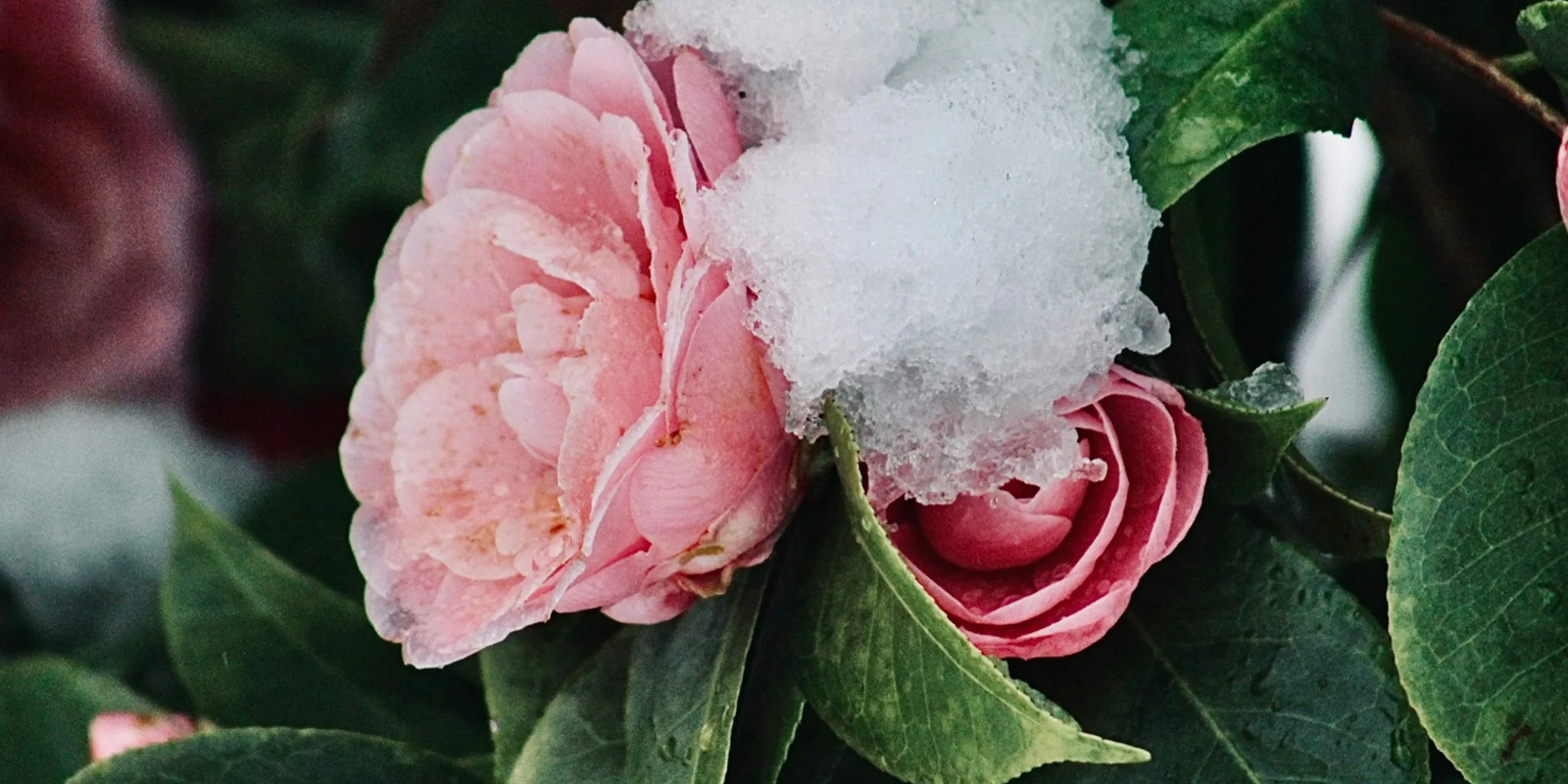
Early-blooming shrubs like camellias and magnolias are tough plants but their flower buds are vulnerable to late frosts. A medium or heavy-weight jacket thrown over them overnight during a cold snap can preserve the flowering display.
Evergreen plants require a different approach since they need light and air to survive winter. A medium-weight fleece offers adequate protection from snow, hail, and wind damage for hardy species. For tender evergreens such as olive and citrus trees or certain palm varieties, consider using medium-weight as a permanent base layer and adding a heavier jacket during severe cold snaps. Proper pruning before winter also helps plants handle cold stress, so prepare your plants thoroughly.
Using Your Frost Jacket Effectively
Simply draping a frost jacket over a plant won’t guarantee success. Proper installation matters considerably. Start by choosing a design with both a drawstring and a zip for quick application and secure fit. Whenever possible, peg the jacket base to the ground using bricks, stones, or landscape fabric pegs. This allows heat radiating from the soil to rise naturally and be trapped under the cover, providing additional insulation.
For container plants, select a jacket large enough to cover the pot as well as the foliage. Roots in planters are particularly vulnerable to freezing, so consider wrapping the pot with bubble wrap before applying the frost jacket. Proper watering before the freeze also helps prepare plants for winter dormancy.
Breathable jackets are essential to prevent moisture buildup and mold formation. On milder days, unzip the cover to allow air circulation and prevent trapped moisture problems. Metal greenhouse clamps or similar fasteners help keep loose fabric from flapping in wind, which reduces the jacket’s effectiveness.
Keep in mind that heavier fleeces designed for permanent winter placement need regular attention. Periodically unzip them on warmer afternoons to allow evergreen plants to access light and fresh air. Medium-weight fleeces, which are more commonly designed without zips, don’t require this attention since their thinner construction naturally allows adequate light and air penetration.
Combining proper winter protection with well-prepared growing spaces sets the foundation for a robust garden year-round. With the right frost jacket and proper technique, you can confidently protect your plants through even the coldest winters.



Write Your Review
No reviews yet. Be the first to share your experience!