
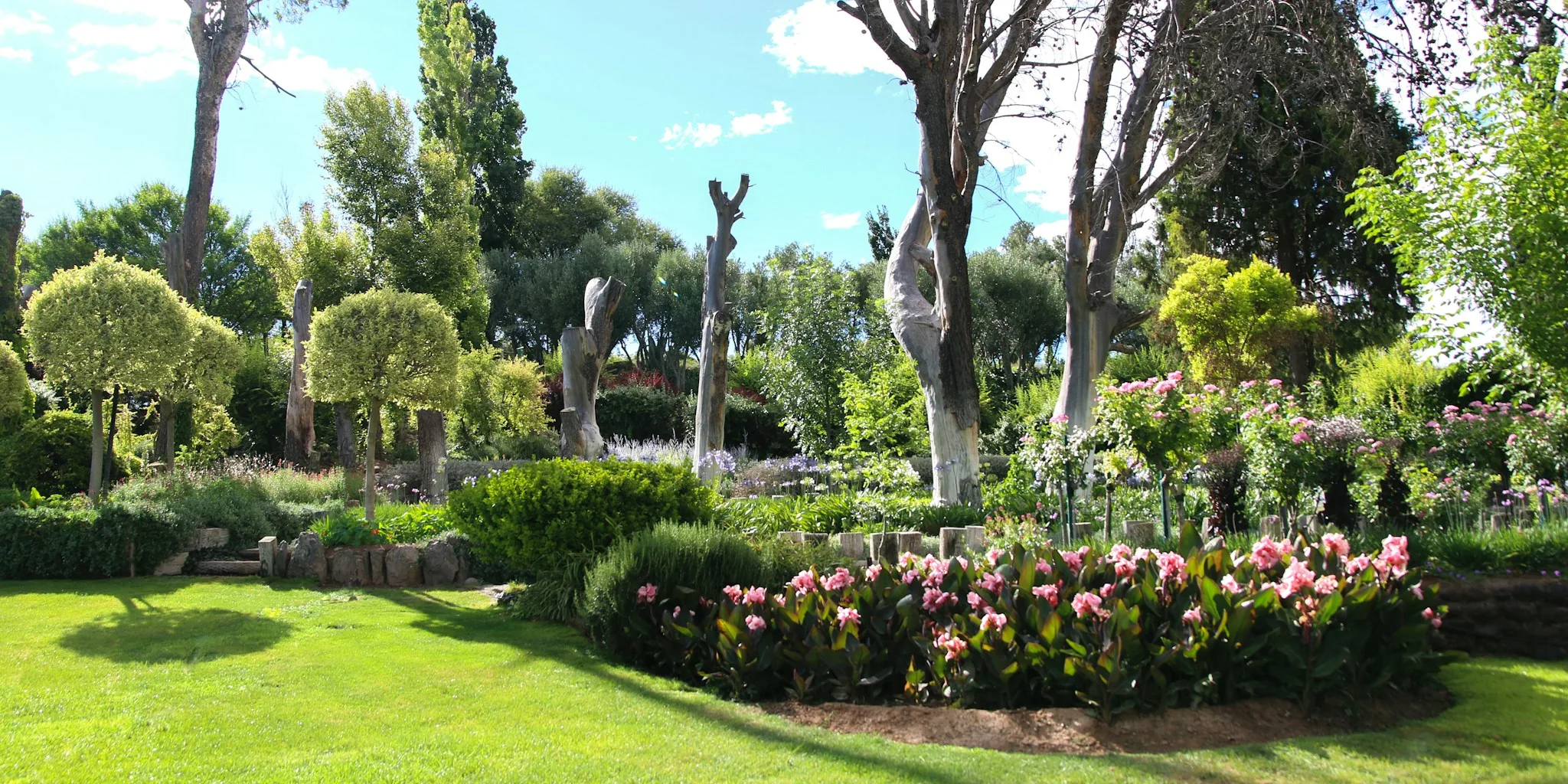

The recent passing of acclaimed actor Sam Neill brought renewed attention to a profound truth about gardening that often goes overlooked: the trees we plant today are gifts to future generations. Neill, who spent decades cultivating his own garden and olive groves, once reflected that he would never see his newly planted cypress and olive trees reach their full maturity. Yet this reality did not discourage him from planting. Instead, it inspired a deeper understanding of what it means to invest in your garden’s future.
This perspective matters for anyone looking to make smart choices about their outdoor space. When you plant trees, you are not simply making an improvement for your own lifetime. You are creating a legacy that will benefit your children, grandchildren, and the broader ecosystem. Understanding this long view can help you make better decisions about which trees to plant and how to care for them.
The Ancient Wisdom Behind Tree Planting
A well-known saying captures this idea perfectly: the best time to plant a tree was thirty years ago, but the second-best time is today. This proverb reflects a simple reality. Trees grow slowly. They take decades to reach their full height and beauty. If you had planted one three decades ago, it would be providing shade, food, and natural beauty right now. But since most of us did not do that, the smartest choice is to plant today and begin the process for the future.
Neill himself was deeply aware of this timeline. He posted frequently on social media about the lifespans of trees and how they dwarf human existence. Standing beside massive specimens like giant sequoias, he noted that most trees are planted not for the planter’s benefit, but for those who will inherit them. Historical examples support this view. Some trees alive today were planted centuries ago by people who would never witness their current glory. Witness trees that stand at the sites of major historical events remind us that trees are living records of time itself.
Why This Matters for Your Gardening Goals
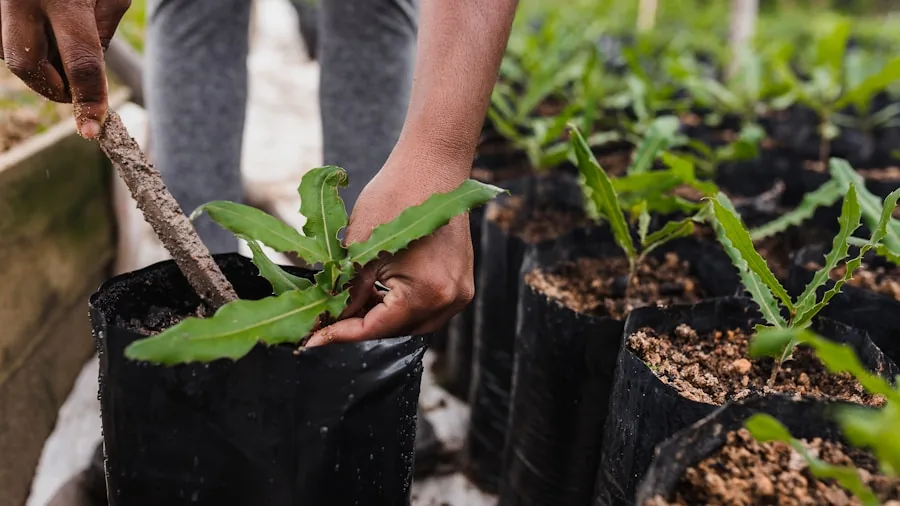
If you are planning a garden or landscaping project, this shift in perspective can change your approach entirely. Instead of selecting only fast-growing trees that will provide quick results, you might consider mixing fast-growing species with slower-growing ones that will create beauty and value over decades. The best garden pruners for every budget and skill level can help you maintain both types as they develop.
This strategy also applies to your overall garden layout. Long-term planning means positioning trees where they will provide shade for future plants or homes, where their roots will not conflict with underground utilities, and where they will complement the natural landscape. Raised garden beds we recommend for small spaces can work alongside tree plantings to create a layered, productive garden that serves both present and future needs.
Choosing Trees That Will Last Generations
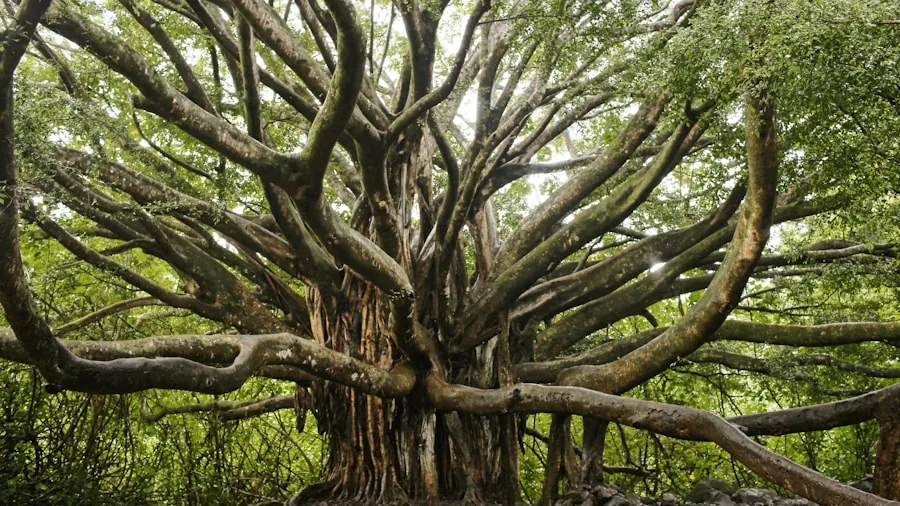
Not all trees are created equal when it comes to longevity and impact. Native species tend to thrive longer in your region because they are adapted to local climate and soil conditions. Trees like oak, maple, ash, and hickory in northern regions, or live oak and baldcypress in warmer zones, can live for a century or more. Mediterranean varieties like olives and cypresses, which appealed to Neill, offer beauty and often produce food or other useful materials.
When selecting trees, consider what you want them to provide. Fruit trees offer food but may need more maintenance. Shade trees reduce cooling costs over time. Flowering trees provide seasonal beauty and support pollinators. Evergreens offer year-round interest. Each choice shapes what your garden will look like for generations to come.
Maintenance matters too. Young trees need regular watering, especially during dry spells. The best garden hoses for every yard size and budget make this task easier and more efficient. Proper mulching protects roots and conserves moisture. Light pruning in early years encourages strong structure. These investments in care now pay dividends decades later.
Start Planting Today
The takeaway from Neill’s perspective is clear: do not wait for the perfect moment or the ideal conditions. Plant trees now, understanding that you are contributing to a future you may not see. Your children and grandchildren will enjoy shade, beauty, and even food from what you plant this season. In thirty years, someone will look at a mature tree and quietly thank the person who planted it.
Whether you have a sprawling property or a modest backyard, there is room for at least one tree. The time to act is today. Thirty years will pass whether you plant or not. Make sure they pass with growth.


Write Your Review
No reviews yet. Be the first to share your experience!