
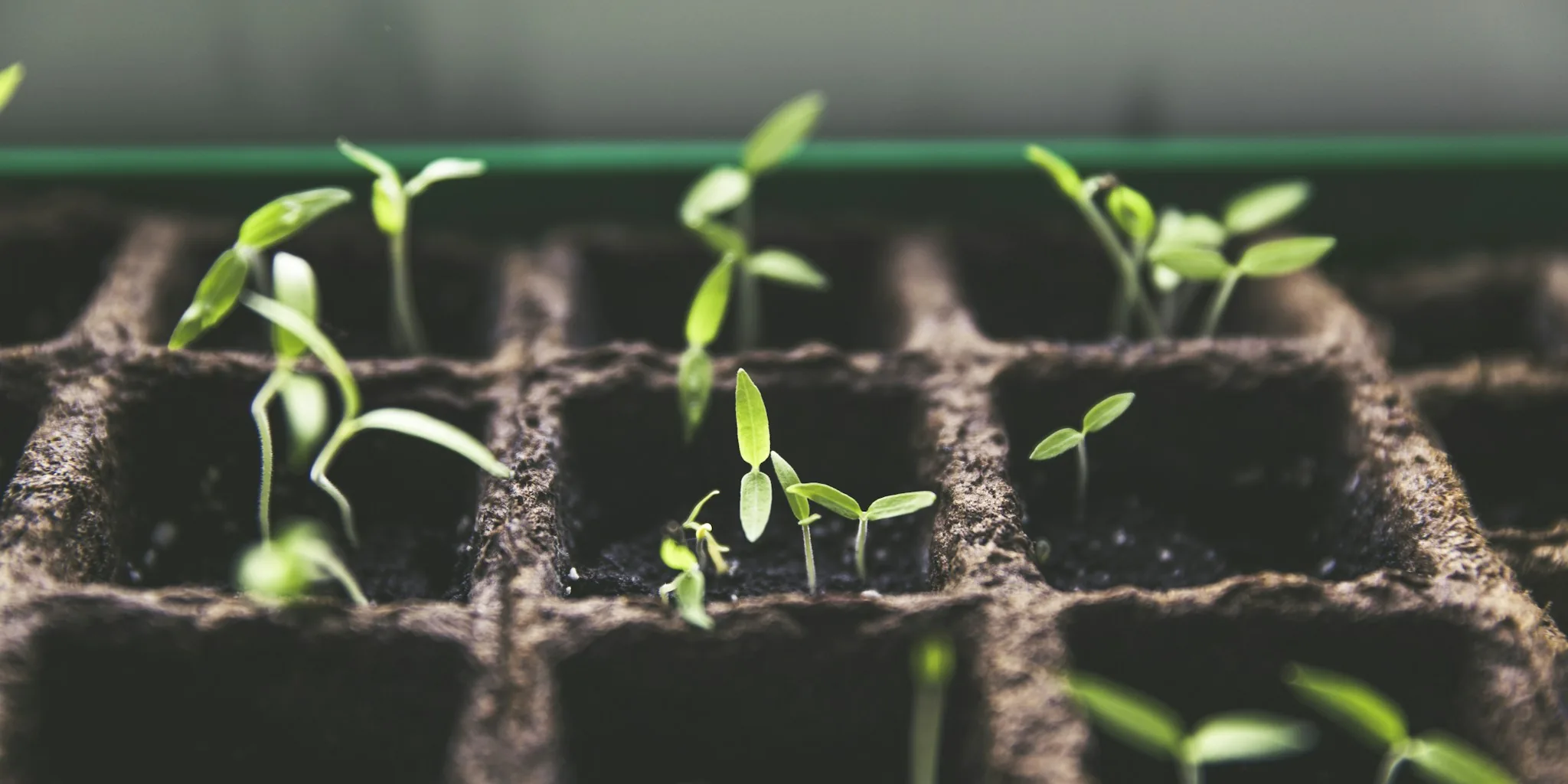

If you’re looking to stretch your gardening budget, plastic storage bins offer an unexpectedly practical solution. These common household containers, which many gardeners already have sitting in basements or garages, can be repurposed into functional garden tools that would otherwise cost significantly more to purchase separately. Whether your bins are missing lids, cracked, or in pristine condition, there are multiple ways to put them to work in your outdoor space.
Creating a Simple Mini Greenhouse
One of the easiest and most effective uses for a plastic storage bin is transforming it into a miniature greenhouse. This approach requires no modifications whatsoever and costs absolutely nothing to implement. The key requirement is using a clear or transparent plastic bin, as colored containers block the light that seedlings need to thrive.
The setup is straightforward: flip the bin upside down over your seedlings or tender plants. To prevent heat buildup that can damage your plants, prop one side of the bin up slightly using a brick or rock to create airflow and allow excess warmth to escape. Close the bin at night to protect young plants from frost, then open it again each morning. If you still have the lid, it serves double duty as both a base for holding small plants and a water collection tray for bottom watering. Simply pour water into the lid and let your seedlings absorb it through drainage holes in their containers, which is gentler than overhead watering.
The importance of proper ventilation cannot be overstated. Forgetting to crack open your bin on a sunny morning can cause internal temperatures to spike dangerously, potentially harming your plants. Once your seedlings are large enough to transplant outdoors in spring, the bin makes carrying them to the garden much easier.
Building a Functional Seed Starting Tray
Smaller plastic storage bins become excellent seed starting trays with just a few minutes of preparation. Using a drill or a heated metal skewer, carefully create drainage holes in the bottom of your bin. Aim for at least several holes per square foot of surface area. Take care during this step to avoid cracking the plastic or injuring yourself; using a knife or scissors to punch holes is not recommended as it increases injury risk and can cause the brittle plastic to crack unexpectedly.
After drilling, fill your new tray with quality seed starting mix, plant your seeds, water them, and watch them develop. If you have a lid available, place it underneath the bin to catch excess water during watering. You can even create additional protection by stacking another bin of similar size on top to form a makeshift greenhouse, which helps maintain warmth on drafty windowsills or during unpredictable late winter weather.
Growing Plants in a DIY Raised Bed
Large plastic storage bins work surprisingly well as compact raised beds suitable for patios, balconies, or small backyard spaces. With drainage holes drilled into the bottom, these containers become fully functional growing environments for vegetables and other plants. Unlike the greenhouse application, you can use bins of any color for this purpose, and a lid is unnecessary.
Fill your bin with a quality potting mix combined with organic compost, then plant directly into the medium. Raised garden beds offer flexibility for small spaces, and plastic bins deliver the same benefit at a fraction of the cost. Potatoes thrive exceptionally well in these containers. To ensure adequate root development, choose a bin that is at least 15 inches deep, allowing plants to establish strong root systems underground.
While plastic bins lack the durability of traditional wooden or metal garden infrastructure, they typically last several years before sun exposure degrades the plastic. For budget conscious gardeners or those working with limited space, these containers provide an excellent temporary or permanent growing solution. Paired with basic quality gardening tools and equipment, plastic bins can form the foundation of a productive garden setup that doesn’t require significant financial investment.
The beauty of repurposing storage bins lies in their accessibility and immediate usefulness. Before discarding old bins, consider their potential value in your garden. With minimal effort and no additional cost, you can unlock multiple gardening solutions from items already in your possession.


Write Your Review
No reviews yet. Be the first to share your experience!