
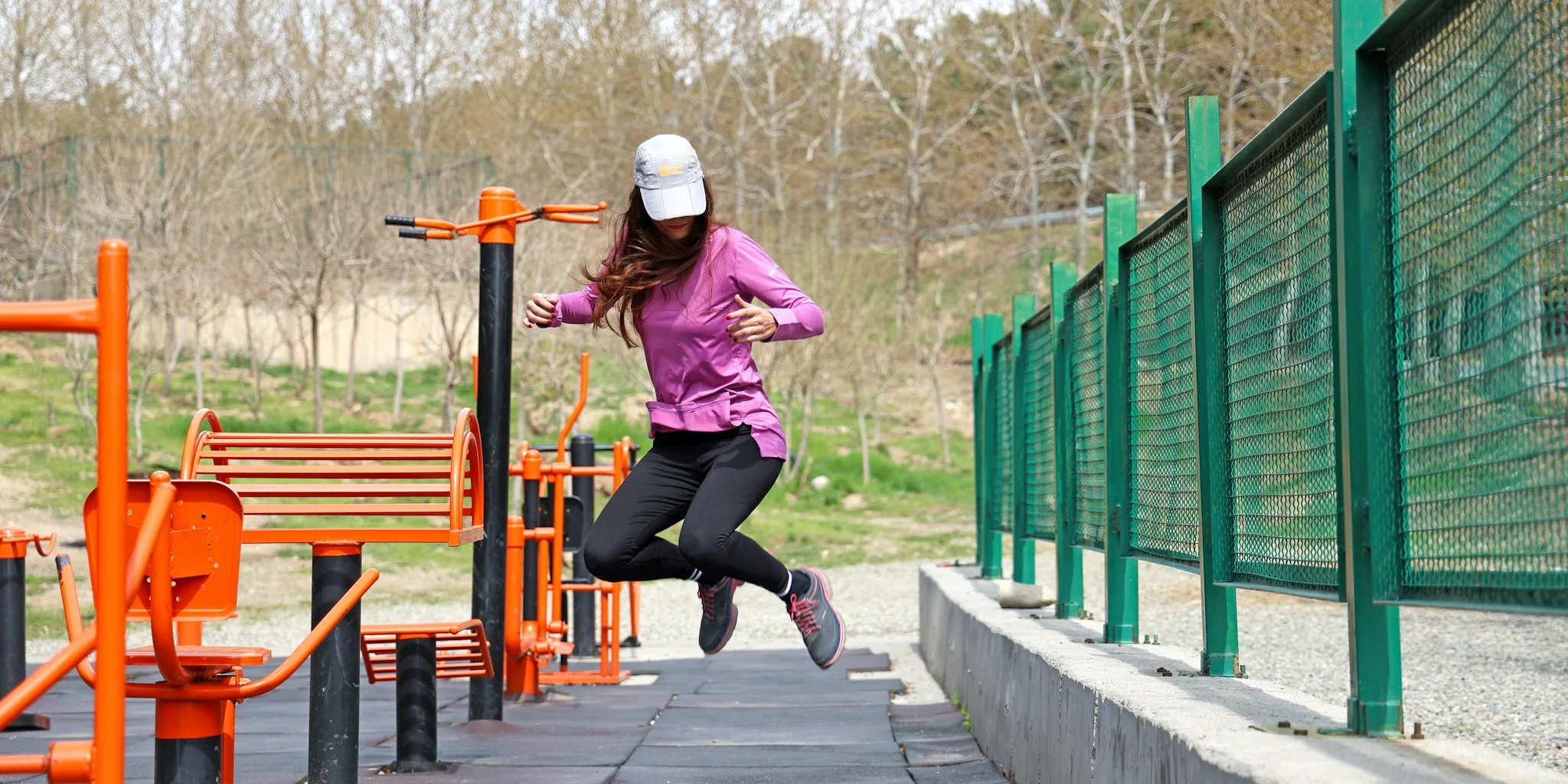

For decades, women over 40 have been warned to avoid jumping and high-impact exercises. The warnings cite concerns about joint stress, pelvic floor issues, and fragile bones. However, emerging research and real-world success stories are turning that conventional wisdom on its head. Medical experts and fitness professionals now recognize plyometrics as one of the most effective ways to build bone density, strengthen bones, and reduce fracture risk for midlife women.
Understanding why plyometrics matter for bone health requires looking at what happens to women’s bodies as they age. During perimenopause and menopause, estrogen levels drop significantly. Since estrogen plays a crucial protective role in bone formation, this hormonal shift triggers rapid bone loss. Women also start with lower peak bone mass than men and have smaller frames, meaning they have less skeletal reserve to draw from as they age. Combined with the fact that women live longer than men, they spend more years in a lower-estrogen state, which gradually weakens bone structure and increases fracture risk.
The spine and hip are the most common sites of osteoporotic fractures in women, and both regions respond exceptionally well to plyometric training. When you land from a jump, these areas absorb the most impact, signaling bone cells to build stronger bone tissue. Research published in Current Osteoporosis Reports found that plyometrics rank among the most effective tools for improving bone density and reducing fracture risk in post-menopausal women. A 2025 review in BMC Musculoskeletal Disorders showed that already-active people who added plyometrics to their routine experienced measurable improvements in bone mineral density at the spine and hip.
How Plyometrics Build Bone Strength
Plyometrics are explosive exercises that require you to produce tremendous force in a short amount of time. Unlike traditional squats or low-impact weight-bearing exercises, plyometric variations like jump squats demand faster movement and more rapid force production. This matters because bones respond best to quick, sharp forces. When you land from a jump, sensor cells in your bones called osteocytes detect the impact and signal bone-building cells (osteoblasts) to lay down new bone material. Over time, even short doses of this high-impact stimulus can significantly improve bone strength.
Beyond bone density, plyometrics train your central nervous system to improve reaction time and balance, which are critical for preventing falls and fractures as you age. A faster reaction time could mean the difference between catching yourself on the sidewalk and breaking a hip. Hip fractures carry serious consequences for older women, including increased risk of future fractures and higher mortality rates.
One real-world example demonstrates the power of this approach. A 52-year-old powerlifting coach discovered osteopenia despite lifting heavy weights and eating enough protein. She realized plyometrics was the missing piece. Two years after adding plyometric training to her routine, a follow-up bone density scan showed measurable improvements, particularly in her hip. For most people with osteopenia or osteoporosis, regaining bone density is extremely difficult, making her results significant.
Starting Your Plyometric Workout Program Safely

Before beginning plyometric training, consult your physician to review your medical history, bone density status, and any underlying conditions. If you experience pelvic floor dysfunction symptoms like urinary leakage or pelvic heaviness, work with a pelvic floor physical therapist first to strengthen these muscles before progressing to high-impact exercises.
Once you receive clearance, introduce plyometrics gradually. Begin with lower-body preparation work: calf raises, heel drops, and small pogo hops build Achilles tendon and lower-leg resilience. Focus on proper landing mechanics with soft knees, engaged core, and hips sent back to distribute impact throughout your lower body. Spend a minimum of two to three weeks perfecting these foundational movements before advancing.
Progress to staggered-stance jumps next, which improve balance and midline strength. When these feel controlled, you can move to more advanced options like broad jumps, tuck jumps, and depth jumps. Eventually, unilateral plyometrics like single-leg hops challenge your balance and stability even further.
The key to success is keeping volume low and quality high. Perform just one or two plyometric movements per session, completing 8 to 12 total reps of each with 20 to 30 seconds between reps. Time these movements after your warm-up but before strength training, when your nervous system is primed but still fresh. Plyometrics should complement, not replace, traditional strength training. Research shows that combining proper footwear for your workout routine with both resistance training and impact loading delivers the greatest benefits to your entire skeletal system.
Allow 48 hours between higher-intensity plyometric sessions for recovery. Prioritize sleep, eat nutrient-dense foods, and practice stress-relief exercises to support your body’s adaptation. Watch for warning signs like sharp pain, new neurological symptoms, or prolonged soreness, which indicate you should pause progression and consult an expert.
The myths about plyometrics causing joint damage or increasing fracture risk in midlife women are rooted in outdated thinking, not science. When performed appropriately with proper progression and form, plyometric drills are among the most effective ways to stimulate bone formation and preserve bone density. Stronger bones, better balance, improved reaction time, and greater resilience as you age are within reach through smart, progressive plyometric training. Consider adding structured fitness approaches to your regular workout routine to stay consistent and see results that matter for your long-term health.






Write Your Review
No reviews yet. Be the first to share your experience!