
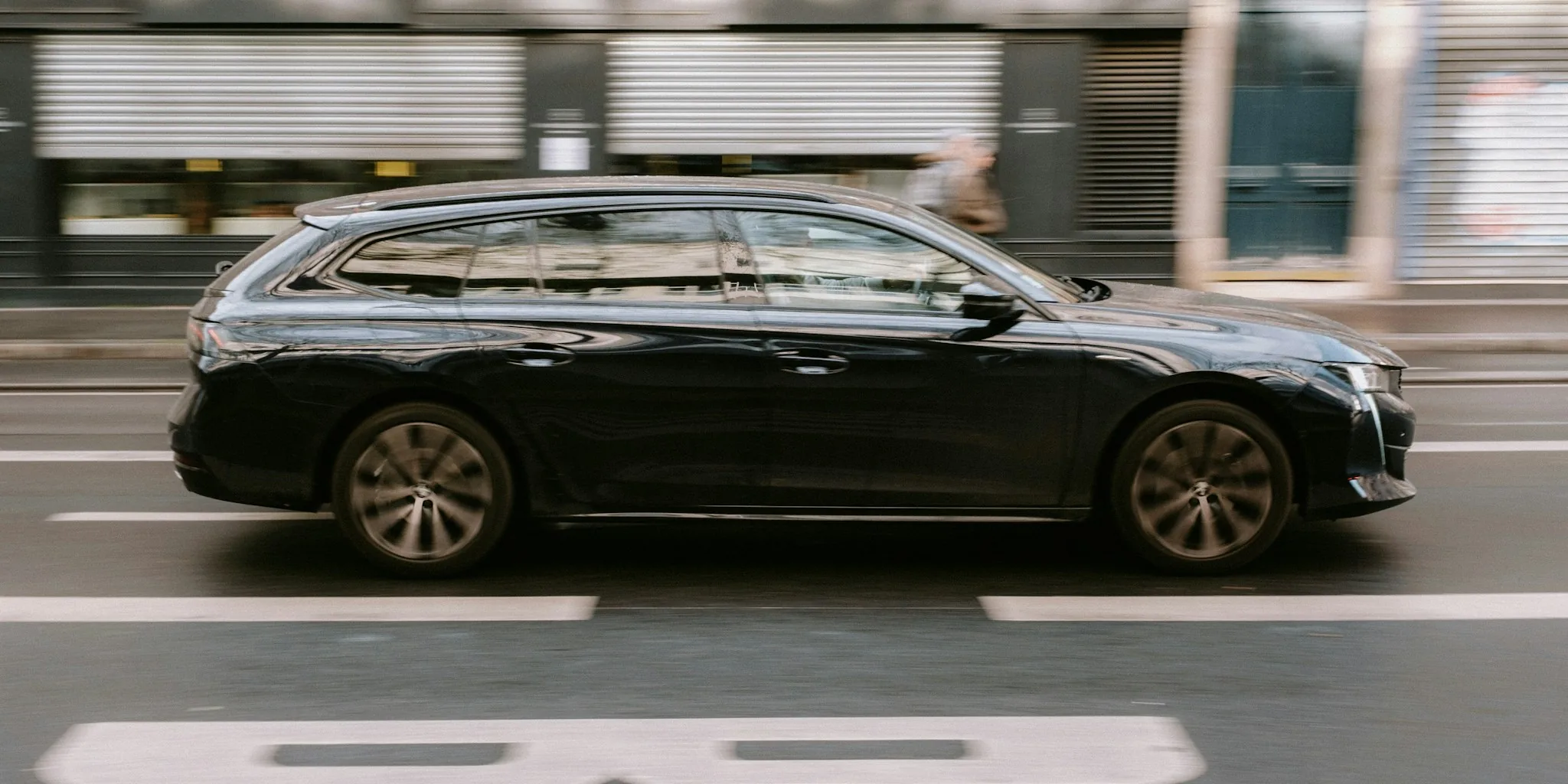

Polestar has officially revealed the Polestar 4 SUV, a wagon-style electric vehicle that takes a dramatically different approach to the original Polestar 4 fastback. While the new model offers significantly more interior space and practical features, there is a major catch for American buyers: it will not be sold in the United States.
A Practical Alternative to the Polarizing Fastback
When Polestar introduced the original Polestar 4 in 2023, the automotive industry took notice of its bold design choice: a fastback SUV without a rear window. Drivers had to rely entirely on cameras and mirrors to see behind them. The unconventional approach made a stylish statement but may have limited its appeal to mainstream buyers.
The new Polestar 4 SUV addresses these concerns by adopting a more traditional station wagon silhouette. An extended roofline replaces the sleek fastback profile, and critically, a proper glass rear window returns. The front styling remains largely unchanged with distinctive pointy headlights and a trapezoidal grille, but the boxier rear end immediately signals a vehicle built for practicality.
Storage and Comfort Gains

The expanded dimensions translate directly into usable space. Rear headroom increases by approximately one inch compared to the coupe variant. The real benefit comes in the cargo area: the SUV offers around 23 cubic feet of space with rear seats in place, up from 19 cubic feet in the fastback. Fold those rear seats flat, and you gain access to 59 cubic feet of capacity versus 54 in the original model.
Additional practical touches include roof rails rated to handle up to 220 pounds of dynamic load. The redesigned roofline also enables larger panoramic glass panels that extend nearly to the tailgate. For buyers wanting extra control over cabin lighting, Polestar offers an electrochromic glass roof that transitions between fully transparent, fully tinted, or selectively shaded modes at the press of a button.
Interior and Powertrain Details
Inside, the layout closely mirrors the fastback model, featuring a large touchscreen and minimalist design philosophy. Polestar continues emphasizing sustainable materials, offering a synthetic fabric made from recycled plastic as standard. For those preferring traditional upholstery, the company provides Bridge of Weir nappa leather sourced as a chrome-free byproduct of the food industry.
Under the sheet metal, the powertrain offerings remain consistent. A rear-wheel-drive single motor produces 268 horsepower, while a dual-motor all-wheel-drive setup delivers 536 horsepower. A 94.0-kWh battery provides up to 391 miles of estimated range in the rear-drive configuration and 372 miles with all-wheel drive, though these figures come from Europe’s generally optimistic WLTP testing cycle rather than the EPA standard used in America.
The SUV introduces a new Camping mode that grants access to climate controls, entertainment systems, and ambient lighting while parked. Vehicle-to-load functionality allows owners to power external electric accessories using the vehicle’s battery, a feature increasingly common among premium EV brands.
New Color Options
Polestar has introduced two fresh exterior paint choices for the SUV variant. Aurora, a bright silver green, and Ozone, a bright silver purple, give buyers more personalization options compared to the fastback. Interestingly, all official photographs released by the company showcase the vehicle in standard white.
The US Market Problem
Despite these improvements and expanded capabilities, American consumers cannot purchase the Polestar 4 SUV. Polestar has exited the United States market following the passage of the Connect-Car Rule, which bans Chinese software and hardware integration in vehicles sold domestically. This regulatory decision affects multiple Chinese-backed automotive brands and reflects ongoing geopolitical and technology concerns in the automotive sector.
Polestar’s US operations conclude after the 2026 model year, meaning this new station wagon variant will never reach American dealerships. The vehicle will be manufactured in Busan, South Korea, and launch in the fourth quarter of this year, but exclusively for international markets.
For American EV shoppers seeking practical electric vehicles with wagon styling, the options remain limited. While Range Rover EV finally arrives for 2027 with its own upscale positioning, traditional American wagon designs in the EV segment continue to be rare. Manufacturers like Volvo and others have largely abandoned the practical wagon format in favor of tall SUV profiles.
What This Means for Shoppers
The Polestar 4 SUV’s debut without US availability highlights the fragmented global EV market. Premium electric vehicles developed for Asian and European markets sometimes never reach American consumers due to regulatory, manufacturing, or business considerations. Buyers seeking electric vehicles with practical storage, innovative features, and premium interiors will need to focus on domestically available options from established American and Japanese manufacturers.




Write Your Review
No reviews yet. Be the first to share your experience!