

For decades, Porsche has protected the 911 as the undisputed flagship of its lineup. That era is ending. The German automaker has officially announced plans to develop a mid-engine supercar positioned permanently above the 911, marking a historic shift in how the brand structures its portfolio. What does this mean for drivers and enthusiasts considering a high-end sports car purchase? Quite a bit.
A New Tier in the Porsche Hierarchy
Porsche has previously experimented with models that challenged the 911’s supremacy, including the 959, Carrera GT, and 918 hybrid supercar. Each of these was positioned as a special edition or limited production run, never intended to become a permanent fixture above the 911. This new development signals something fundamentally different. For the first time, Porsche is committing to a dedicated production line that will sit above the 911 in its performance and pricing structure.
The upcoming supercar was previewed through the Mission S concept vehicle, which draws inspiration from Porsche’s storied racing heritage. The design language borrows visual cues from multiple legendary models: round headlights echo the classic 911, the front end and roof scoop reference the 911 GT1, and the rear wing pays homage to the 959. These design choices signal that Porsche views this new car not as a departure from its identity, but as a natural evolution that respects its history.
What the Driver Experience Will Look Like
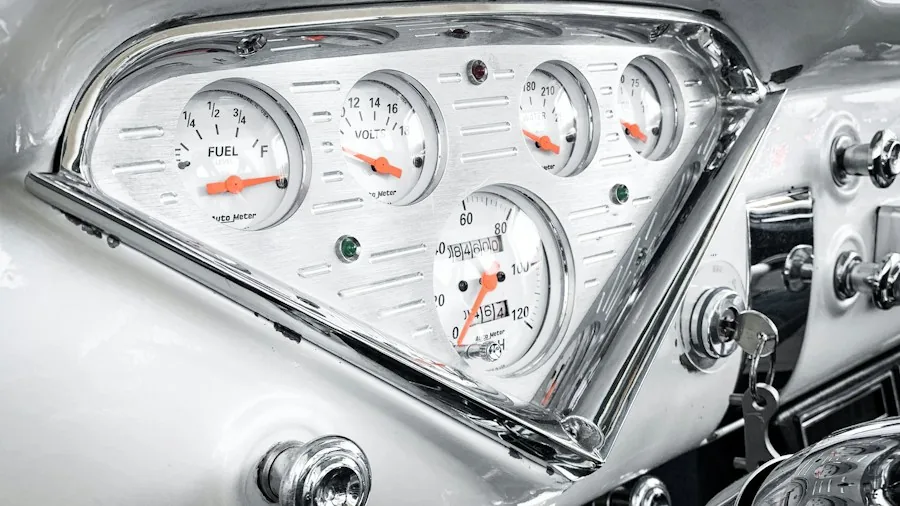
One of the most distinctive aspects of this new supercar is its approach to the interior environment. Rather than following the industry trend toward massive touchscreens and digital-only controls, Porsche has chosen a philosophy centered on how the driver feels behind the wheel. This approach mirrors recent design decisions from other luxury manufacturers exploring the balance between analog and modern convenience.
The Mission S will feature a physical key rather than a push-button starter, a deliberate choice to enhance the tactile experience of engaging with the machine. The automaker has also eliminated the center dashboard screen entirely, replacing it with a magnetic smartphone holder. This means navigation, music, and vehicle information will come from your phone, not an integrated system. Switches and analog controls will coexist alongside modern digital displays, creating an interface that appeals to drivers who value direct mechanical feedback.
This philosophy represents a counterpoint to what many shoppers currently experience in modern vehicles. While some manufacturers have pushed digital features to sometimes excessive extremes, Porsche is betting that buyers in this ultra-premium segment will appreciate restraint and intentionality.
Powertrain and Performance Options
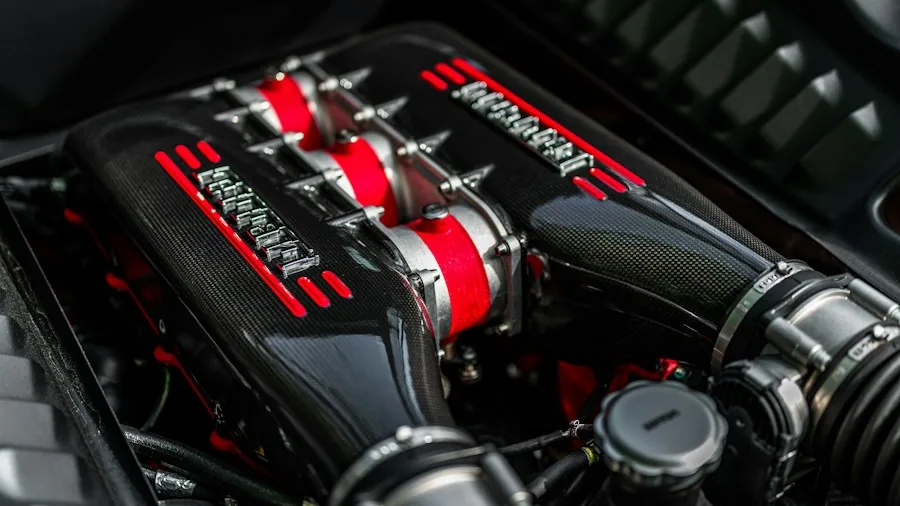
Porsche has not yet confirmed the specific engine that will power this supercar, but company officials have stated that the production version will support multiple powertrain options. Expect a lineup that includes pure gasoline engines, traditional hybrids, and plug-in hybrid variants. According to reports, the combustion core may employ a flat-eight engine positioned between the axles, which is the classic mid-engine supercar setup that delivers balanced weight distribution and optimal handling characteristics.
Notably, Porsche has ruled out a fully electric version for this tier, stating that market demand does not currently exist for an all-electric supercar in this segment. This decision reflects the automaker’s focus on delivering the visceral, analog-forward experience that buyers at this price point are seeking.
Price and Timeline Considerations for Buyers
Timing and cost remain open questions for potential buyers. Porsche has not released an official production date or pricing structure, though industry analysts suggest that the new model could arrive by 2029 at the earliest. Given that Porsche recently raised prices on its GT performance models, it’s reasonable to expect the entry point for this new supercar line to start around $500,000 or higher.
The Mission S concept appears fairly advanced in its development, suggesting that the production version is not merely a distant dream. However, shoppers interested in this vehicle should prepare for a multi-year wait and understand that availability will likely be limited and highly competitive.
This launch represents a significant moment in automotive history. As the industry continues to experiment with new technologies and driving experiences, Porsche is doubling down on driver engagement and mechanical authenticity at the highest end of the market. For collectors and enthusiasts who have invested in the 911 as the pinnacle of Porsche ownership, this announcement fundamentally reshapes what it means to own the brand’s most exclusive offering.




Write Your Review
No reviews yet. Be the first to share your experience!