


If you’ve noticed white or grayish dust coating the leaves of your roses, squashes, or dahlias this September, you’re likely dealing with powdery mildew. This fungal disease thrives when warm days give way to cool, humid nights, and it spreads rapidly during late summer and early fall. The good news: it’s treatable, and understanding what to do now can save your plants from reduced blooms, smaller harvests, and weakened winter survival.
What Powdery Mildew Looks Like
Powdery mildew appears as fine white or light gray powder on the upper surfaces of leaves, resembling ash or flour. You may also spot it on stems and flower buds. The telltale sign is that this dust won’t brush away, as it embeds itself into the leaf tissue. Different plant species can develop slightly different strains, so the appearance varies a bit from plant to plant. Young, tender new growth is especially vulnerable, which is why chrysanthemums, asters, dahlias, roses, peppers, pumpkins, and squashes are common targets right now.
While powdery mildew rarely kills a plant outright, it coats leaves and blocks their ability to absorb sunlight and produce energy. For vegetable growers, this means smaller harvests. For ornamental plants, blooming becomes sparse or shorter. For everything else, a plant starved of energy heading into winter becomes stressed and less likely to bounce back in spring.
Step 1: Remove Infected Leaves Immediately
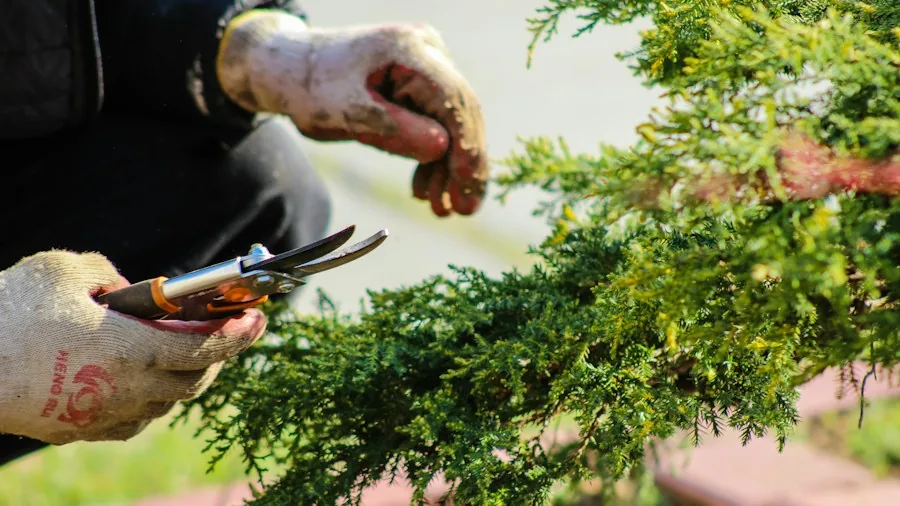
Your first action should be pruning. Use clean bypass pruners to cut away leaves showing white spots, working from the bottom up and removing any heavily infected foliage. This stops the fungal spores from spreading to healthy parts of the same plant or to neighboring plants of the same family. Remember that while powdery mildew won’t jump from your dahlias to your winter squash, it will happily infect all your roses or all your peppers.
Place all pruned leaves directly into a sealed garbage bag and throw them away. Never add them to your compost pile, because the spores survive the composting process and will reinfect your garden when you use that compost later. Also rake up any fallen infected leaves from around the base of the plant.
Step 2: Apply a Natural Fungicidal Treatment
You don’t need harsh chemicals. Organic sprays based on food-grade citric acid work well and are safe for use on edible plants without accumulating in soil over time. Alternatively, make your own spray using baking soda, which the US Department of Agriculture recommends as a preventative. Mix one heaped tablespoon of baking soda with one level teaspoon of vegetable oil, add a small squirt of liquid dish soap, and dilute the mixture in one gallon of water. Transfer to a spray bottle.
Spray the affected leaves early in the morning when conditions are dry, and repeat every one to two weeks. These treatments work by raising the pH on leaf surfaces, making it inhospitable for fungal spores to survive.
Step 3: Add Mulch as a Barrier

Lay down a two-inch layer of natural mulch around the base of infected plants. This creates a physical barrier that prevents fallen spores from splashing back onto leaves during heavy rain. Mulch also helps retain soil moisture, reducing how often you need to water, which lowers humidity around the plant. Use compost or bagged organic mulch products.
Prevent Future Outbreaks: Long-Term Solutions
Moving forward, the best defense is air circulation. Powdery mildew thrives in damp, shaded, still-air environments. When you prune, do so with the goal of opening up the canopy. Space new plants more generously to allow breezes to flow through. If you’re planting next spring, choose sunnier, breezier locations for plants that suffered this year.
Your watering method matters too. Always water the soil directly, not the foliage. Water in early morning so any splash dries quickly. This keeps leaves dry, which deprives fungal spores of moisture they need to establish and spread.
For gardeners in warm, humid climates where powdery mildew is chronic, consider upgrading to resistant varieties. Modern black-eyed Susan cultivars are practically immune, whereas older varieties remain vulnerable. Aromatic asters such as ‘Raydon’s Favorite’ show strong resistance (Zones 3-8). The Lark Ascending English Rose, bred by David Austin, is widely regarded as one of the healthiest, most disease-resistant varieties available (Zones 4-11). Bee-balm typically struggles with mildew, but the ‘Pardon My’ series from Proven Winners has been specifically bred for high resistance (Zones 4-8).
If you have plants that produce vegetables or perennial bloomers, replacing chronically affected specimens with resistant cultivars is a smart investment. You’ll spend less time treating disease and more time enjoying healthy growth.
As fall advances, watch for darker specks appearing in the white powder. These are cleistothecia, tiny survival capsules the fungus creates to overwinter. Early intervention in September prevents a much larger problem next season. Acting now protects both this year’s final blooms and next year’s garden health.






Write Your Review
No reviews yet. Be the first to share your experience!