
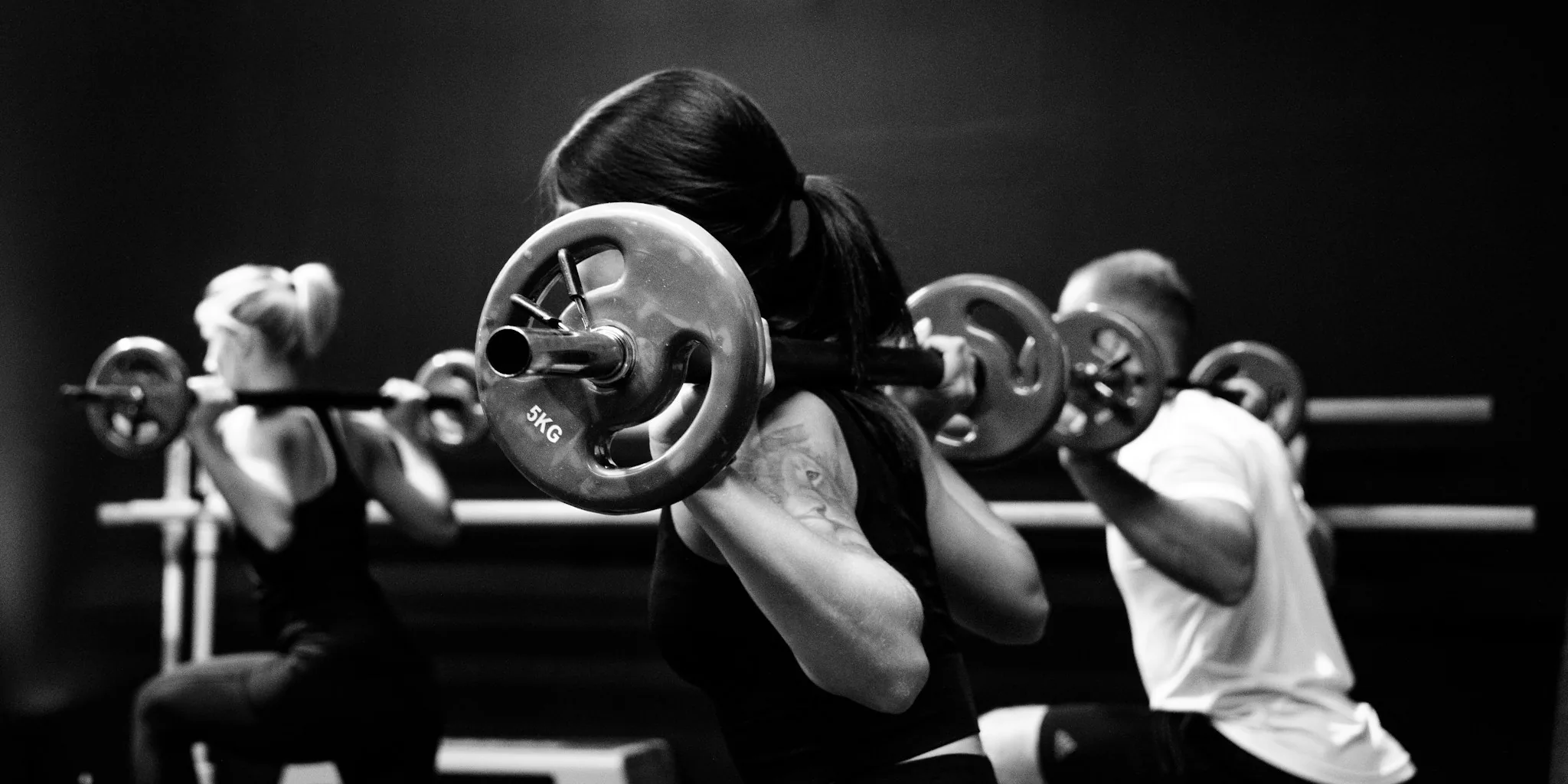

The fitness industry has long pushed a narrow image of what athletes should look like. Mainstream fitness culture, amplified through social media, celebrates a specific aesthetic that excludes many people. But powerlifting is changing that conversation entirely. Unlike trends that prioritize appearance, powerlifting centers on what your body can accomplish, not how it looks. This shift is creating a genuine alternative for shoppers seeking an inclusive fitness community.
What Powerlifting Actually Involves
Powerlifting focuses on three core barbell movements: the squat, bench press, and deadlift. Some athletes compete in sanctioned events where they receive three attempts at each lift, with their heaviest successful attempts combined into a final total. Others train around these movements without ever stepping onto a competition platform, using them as a straightforward way to measure personal progress over time.
The beauty of powerlifting lies in its accessibility. Most people already perform squatting and hinging motions in daily life, from sitting on a toilet to picking up a laundry basket. Each of the three lifts can be scaled to match an individual’s specific accessibility and mobility needs. A qualified coach can help any person, regardless of starting point, find safe variations that work for their body.
Why Powerlifting Differs From Mainstream Fitness
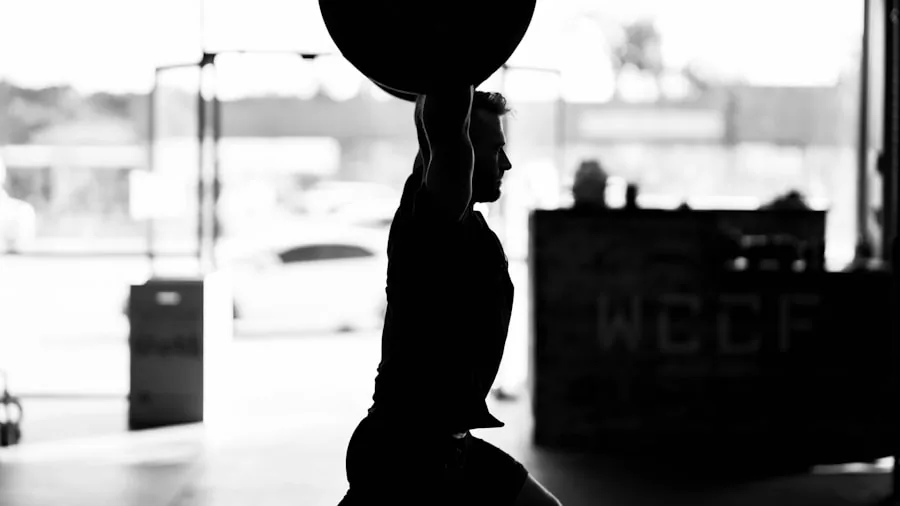
Traditional fitness spaces, particularly on social media, obsess over how bodies look. Powerlifting redirects that focus entirely: progress and performance are measured by how much weight is on the bar and the quality of your form, not by aesthetic adherence. This distinction proves especially freeing for people who have felt scrutinized or excluded in typical fitness settings, including bigger-bodied athletes, transgender individuals, nonbinary lifters, and queer communities.
Rather than treating your body as a problem requiring change, powerlifting invites you to discover what your body can achieve. At the best powerlifting gyms, community members celebrate accomplishments with genuine enthusiasm, regardless of the absolute weight being lifted. Someone hitting a personal record receives the same enthusiastic support whether they are lifting 100 pounds or 500 pounds.
Building Community Through Strength
Powerlifting gyms foster environments where athletes from diverse backgrounds come together around shared goals. Community and inclusion are not afterthoughts; they are core to the experience at many facilities. Some gyms host unsanctioned local meets where organizers can create more flexible divisions and participation policies, allowing people to compete as their authentic selves.
Real lifters across the country report transformative experiences. One athlete describes how powerlifting helped her detach her self-worth from the number on the scale, while another credits the sport with giving her permission to take up physical and emotional space in the world. A nonbinary lifter explains how building muscle became deeply gender-affirming, while a trans gym owner founded her facility specifically to create a safe strength-training space for excluded communities.
Accessibility for Every Fitness Level
A common misconception is that powerlifting requires prior strength or barbell experience. It does not. Beginners start exactly where they are, with guidance from coaches who scale workouts appropriately. Whether you are lifting 60 pounds or 500 pounds, the community celebrates your effort and progress. When exploring budget fitness gear worth buying, many athletes find that simple barbell equipment offers excellent value compared to flashy machines.
The three core lifts are also functionally practical. They mirror natural movement patterns and build genuine strength applicable to everyday tasks. Unlike workout trends focused solely on appearance, powerlifting emphasizes capability and resilience.
Important Considerations for Shoppers
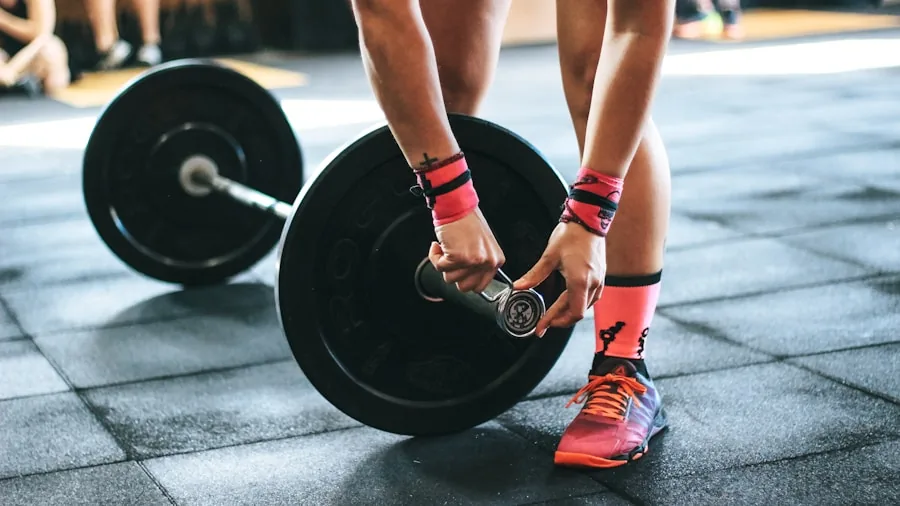
While powerlifting’s inclusive potential is significant, not every gym environment is equally welcoming. Some competitive federations maintain restrictive policies affecting transgender, intersex, and nonbinary athletes. However, athletes and organizers within the sport are actively working to rewrite these policies and create more inclusive spaces.
When choosing a powerlifting gym, research is essential. Check facility websites and social media to understand the community and values. Visit in person for a free session to observe how coaches communicate, whether they scale movements for different bodies, and how the overall atmosphere feels. An explicitly inclusive gym makes a measurable difference in your experience.
Finding a coach whose teaching style aligns with yours also matters significantly. As one lifter noted, a coach who sees you as a whole person and creates a safe environment for personal growth is invaluable. Similar to how strength training for lasting results requires proper guidance, powerlifting success depends on quality coaching.
Getting Started With Powerlifting
The barrier to entry is genuinely low. You do not need to feel strong enough first. You do not need special experience or a particular body type. You can start nervously, start before you feel ready, and start exactly where you are. Consistency matters far more than initial capability.
Barbell training can feel intimidating, but barbells are actually among the simplest, most effective strength-training tools available. They are beginner-friendly and have remained a staple precisely because they work. Remind yourself that you have every right to use them.
The fitness industry is evolving. Powerlifting demonstrates that authentic strength comes in all body types, genders, and presentations. For shoppers seeking a fitness approach that celebrates capability over appearance and builds genuine community, powerlifting offers a genuinely different path.




Write Your Review
No reviews yet. Be the first to share your experience!