
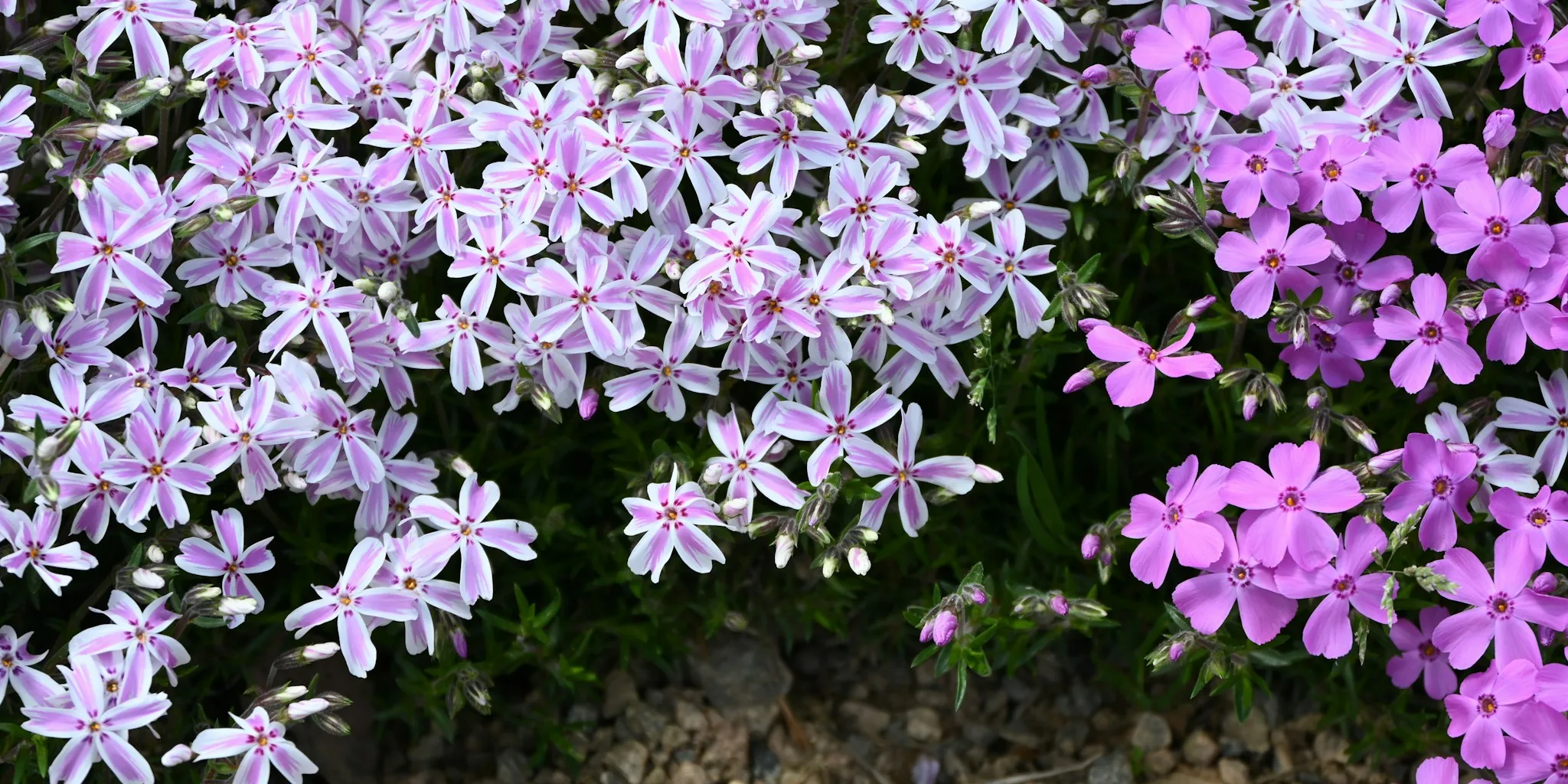

Purple flowers are one of the most powerful tools a gardener can use to instantly refresh a tired border and create visual impact with minimal effort. Landscape designers rely on purple blooms because they adapt to nearly any garden style, from calming and serene to bold and dramatic. Whether you want to layer soft purples with cool blues and silvers or create jewel-toned combinations with oranges and deep reds, these versatile flowers deliver. Even better, many purple varieties are magnets for pollinators, bringing bees, butterflies, and hummingbirds into your outdoor space.
If you’re ready to add color and life to your garden beds, here are ten outstanding purple-flowering plants that will keep your borders bursting with blooms throughout the growing season.
Best Purple Flowering Plants for Your Garden
Velvety Spired Salvia (May Night)
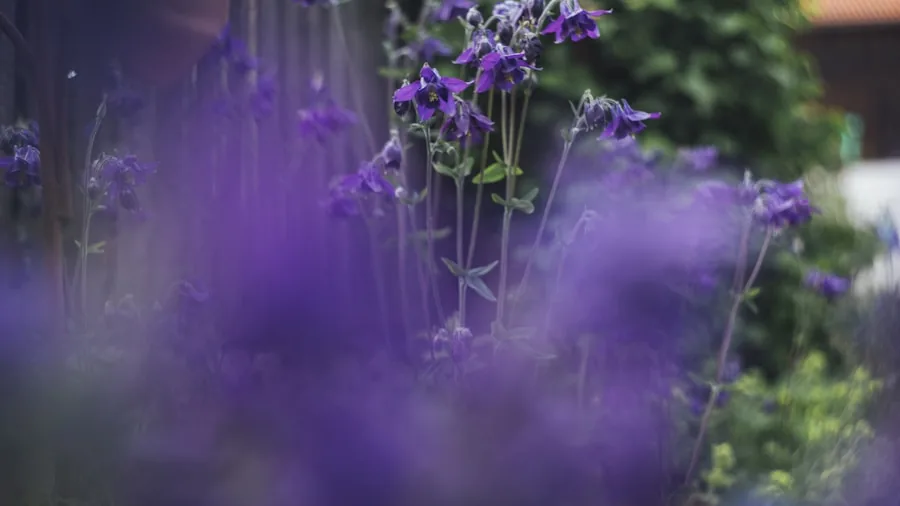
Salvia is a gardener’s dream because it looks spectacular for months while requiring very little attention. The May Night variety produces electric violet-purple flower spikes that rise above fragrant foliage like fireworks. These blooms look especially striking paired with roses, coneflowers, and ornamental grasses. Once established, this plant tolerates heat and dry conditions beautifully, making it perfect for sun-baked borders. Plant it in full sun with well-drained soil, and deadhead spent flowers to encourage continuous blooming from late spring through fall.
Fluffy Aster (Honeysong Stokes Aster)
For a low-maintenance option with big visual payoff, Honeysong Stokes Aster delivers lavender-purple flowers that look like fringed pincushions all summer long. This compact perennial has a tidy mounded habit that stays contained without flopping or crowding nearby plants. The soft green foliage creates a calming backdrop for bolder flowers. This variety handles heat and humidity better than many asters and rewards you with abundant blooms when you deadhead spent flowers regularly.
Smoky Purple Rose (Ebb Tide)
Roses bring garden royalty to any space, and Ebb Tide offers something special: deep, smoky purple blooms that shift between plum and dusky magenta depending on the light. The incredibly rich, spicy clove scent will stop you in your tracks. This rose stays relatively compact and mixes beautifully with perennials, especially silvery foliage plants. Provide full sun, good air circulation, deep watering, and mulch for cool roots. When you invest in quality garden pruners, maintaining these beauties becomes much easier.
Star-Shaped Clematis (Boulevard Olympia)
Boulevard Olympia clematis produces huge star-shaped purple flowers with reddish-pink stripes, managing to be both elegant and dramatic at once. Unlike overgrown clematis varieties, this is a well-behaved climber that stays compact enough for smaller borders, trellises, and containers. It adds vertical interest without overwhelming surrounding plants. Plant the vines in sun while keeping roots cool with mulch or low-growing plants nearby. Choose a sturdy support structure and give it a light spring prune for best results.
Compact Hydrangea (Tiny Tuff Stuff)
This smaller hydrangea variety delivers soft pinks, purples, or blues depending on your soil chemistry. It rebounds throughout the season rather than blooming once, keeping borders fresh and flower-filled for months. Its compact size makes it perfect for edging pathways or filling gaps where larger hydrangeas would take over. The airy blooms blend beautifully with ferns, hostas, and ornamental grasses. This mountain hydrangea has excellent cold hardiness and better bud survival than many traditional varieties.
Narrow Rose of Sharon (Purple Pillar)
If you want serious flower power without hogging space, Rose of Sharon Purple Pillar is a superstar. This shrub grows tall but stays relatively narrow, fitting perfectly into tight borders or the back of mixed plantings. Rich lilac-purple flowers with dramatic red centers burst into bloom when many other shrubs are fading. Once established, it’s quite drought tolerant. Plant it in full sun and well-drained soil, then give it a light late-winter prune to maintain its neat upright shape.
Shade-Tolerant Liriope (Variegated Monkey Grass)
Variegated liriope deserves far more attention than it receives. Its arching green-and-cream foliage adds brightness and texture all season, then in late summer, soft lavender-purple flower spikes dance above the striped leaves. This plant is brilliantly versatile, working along pathways, at border edges, or around shrubs where it illuminates darker corners. It handles heat, humidity, and dry spells with minimal fuss and thrives in partial shade to full sun. A quick late-winter trim refreshes the foliage before new growth emerges.
Upright Agapanthus (Poppin Star Lily of the Nile)
For a polished, upscale look, Poppin Star Lily of the Nile absolutely delivers. This compact agapanthus produces gorgeous clusters of violet-blue flowers striped with deeper indigo, held high above tidy foliage like fireworks. The blooms have a crisp, architectural quality that adds structure to borders. Repeating this plant throughout a garden creates rhythm and movement. Growing agapanthus is remarkably simple: full sun, well-drained soil, and regular watering during its first season is all you need.
Vibrant Phlox (Grape Lollipop)
Big on color and low on maintenance, Grape Lollipop Phlox produces clusters of vibrant grape-purple flowers that glow in summer sunshine. Unlike older varieties, it keeps a neat, compact shape that doesn’t flop midseason. This easy-to-grow plant is perfect for the middle of borders where it knits together taller shrubs and shorter edging. The bold blooms pair seamlessly with pinks, whites, and silvers. This variety has much better mildew resistance than traditional garden phlox, so foliage stays attractive all season.
Repeat Bloomer Azalea (Autumn Color Encore)
Some plants bloom once and fade away. Autumn Color Encore Azalea pulls off the rare trick of blooming multiple times per year with waves of vibrant flowers appearing in spring, summer, and fall. Its vivid violet petals make deeper purple blooms pop beautifully throughout the border. The evergreen foliage keeps beds looking full even in winter. This compact, rounded shrub works alongside hydrangeas, ornamental grasses, and dark-leaved shrubs, adding bright color bursts each time it blooms. Plant in partial sun with well-drained, slightly acidic soil. When you use quality garden hoses for consistent watering and occasional feeding for acid-loving plants, this azalea stays energetic and flower-packed.
Purple flowers transform ordinary gardens into stunning landscapes. Whether you choose soft lavender tones or bold violet hues, these ten varieties offer reliable, long-season color. Start with one or two favorites, then gradually build a layered border that catches every garden visitor’s eye. With proper site selection and basic care, your purple flower garden will thrive for years.



Write Your Review
No reviews yet. Be the first to share your experience!