

The Western Pickup Trend Goes Mainstream
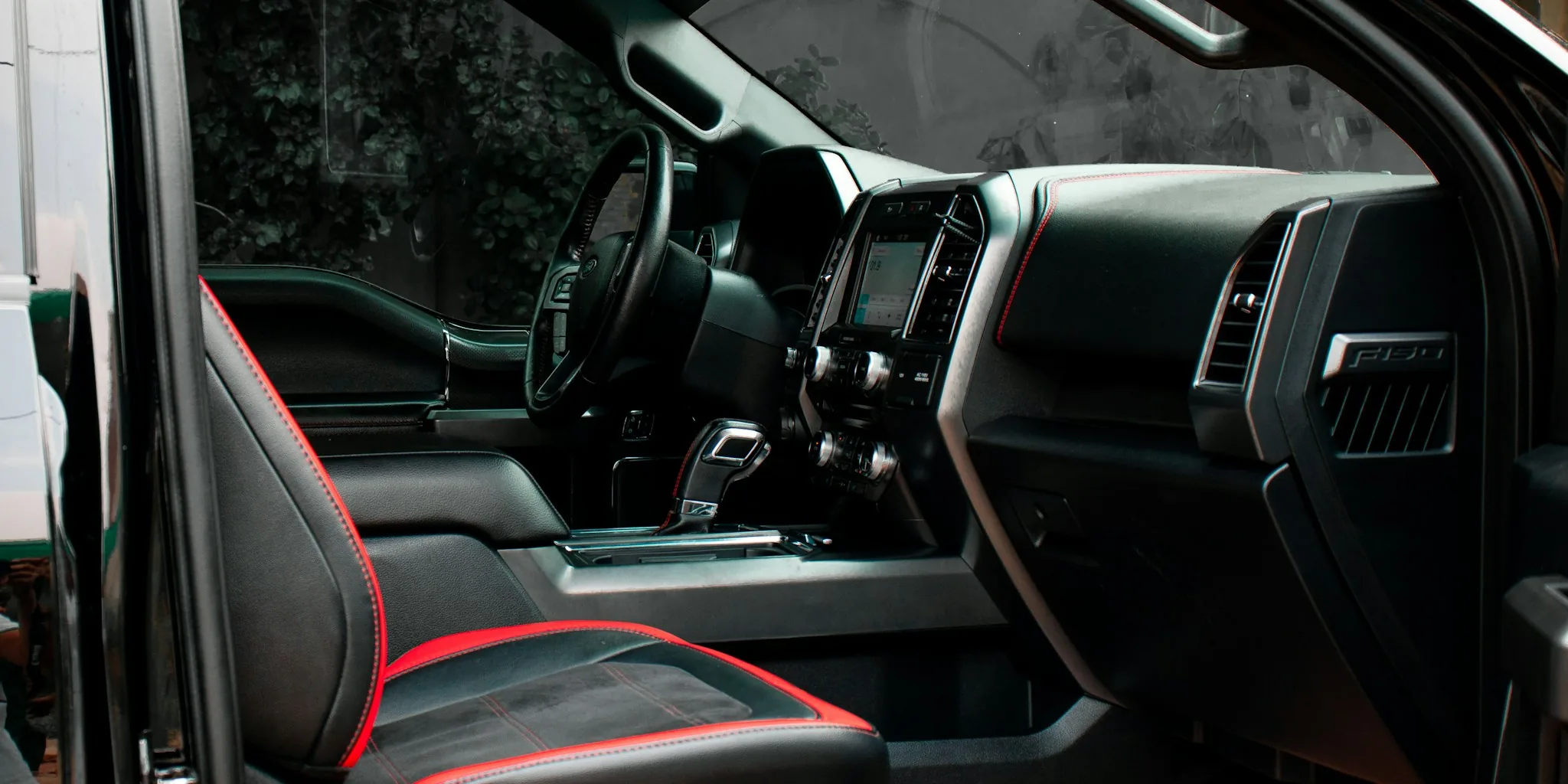
Pickup trucks with a cowboy aesthetic have become common across the entire United States, far beyond their traditional stronghold in Texas. Manufacturers including Ford, Chevrolet, Toyota, and RAM have all launched upscale Western-themed trim packages, recognizing both the customer demand and the challenge of scaling an aesthetic rooted in handcrafted individualism. The RAM Limited Longhorn, which debuted in 2011, represents one of the most ambitious attempts to bring authentic ranch culture into a mass-produced vehicle.
The Challenge of Handcrafted Quality on an Assembly Line
Building a truck that feels genuinely Western while maintaining consistent quality across hundreds of thousands of units proved far more difficult than RAM initially anticipated. The company sourced authentic materials like walnut wood from old fence posts scarred by barbed wire, but inventory limitations forced a creative solution. Rather than relying on actual salvaged materials, RAM developed a process of sawing real oak at precise angles to create the appearance of reclaimed wood. Each piece produces unique saw marks, ensuring that no two Longhorn trim pieces look identical, even though they’re created on a modern assembly line.
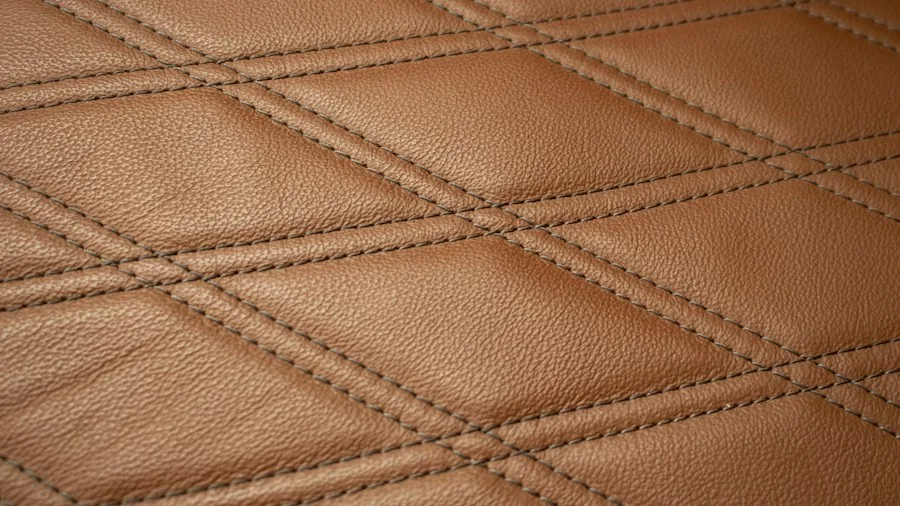
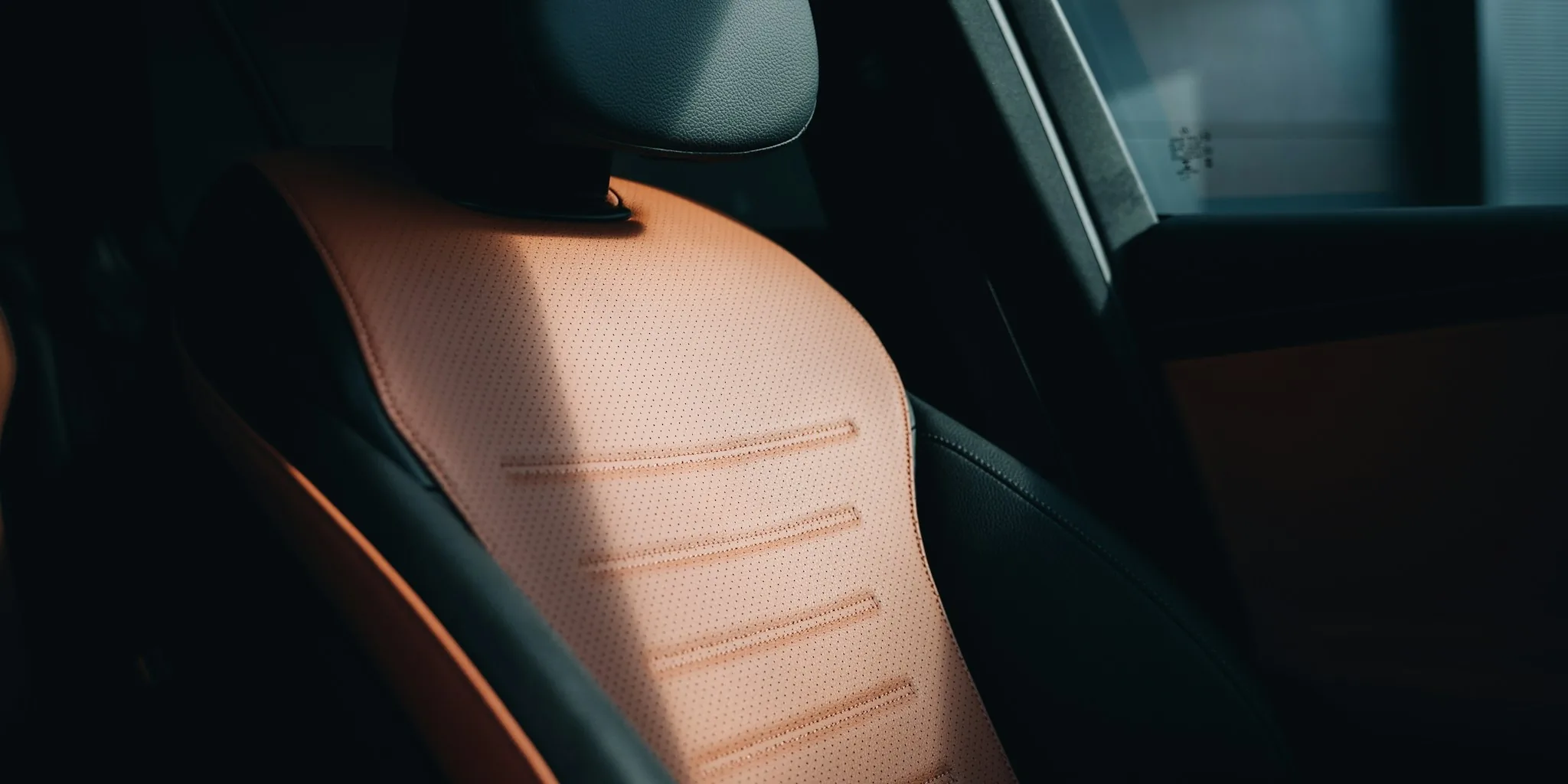
The Longhorn’s leather upholstery sparked an unexpected problem. RAM uses full aniline leather, the premium grade found on high-end saddles and furniture, which naturally exhibits color variations and surface markings. Customers initially mistook these characteristics for defects and complained about their trucks. RAM responded by designing hang tags that explain the leather’s intentional imperfections, comparing the aging process to authentic horseman’s saddles. This educational approach helped customers understand that natural variations prove authenticity rather than signal manufacturing problems.
Technical Details That Make the Difference
The filigree designs etched into the Longhorn’s leather trim showcase another layer of customization. Lasers vary the depth of burns throughout each pattern, exposing different natural colors in the leather and creating unique visual depth from truck to truck. Even the Longhorn badge branded onto the dashboard wood develops uniquely on each vehicle because wood reacts differently to the branding heat. While labor-intensive approaches like this might seem impractical for a manufacturer selling hundreds of thousands of trucks annually, they create the perception that each Longhorn is a one-of-a-kind creation.
The interior design philosophy extends to material choices throughout the cabin. The truck features hammered aluminum accents alongside the wood and leather, creating what designers describe as a rural interpretation of luxury. Unlike trends that fade quickly, this timeless aesthetic draws from decades of ranching tradition and should remain visually relevant for years to come.
Engine Options and Value Considerations
While the Longhorn’s interior exceeds expectations, the powertrain selection reveals interesting buyer preferences. The base Hemi V-8 with 395 horsepower remains popular despite being the least powerful gasoline engine option, largely due to its distinctive rumbling sound. However, the turbocharged Hurricane inline-six offers 540 horsepower in performance trim and superior fuel economy. Switching from the V-8 to the standard Hurricane six could save owners roughly $800 annually on fuel costs while delivering significantly more power.
Pricing for a fully equipped Longhorn can exceed $89,000, placing it in premium truck territory. At this price point, buyers should carefully evaluate whether they prioritize sound characteristics or practical performance metrics. Those seeking quality truck bed covers and accessories to protect their investment will find plenty of options in the aftermarket.
What This Means for Truck Shoppers
The Longhorn’s success demonstrates that buyers nationwide want trucks that project personality and sophistication, not just capability. Whether you appreciate Western aesthetics or simply admire quality craftsmanship, understanding how manufacturers balance authentic design with mass production helps you evaluate whether a premium truck justifies its cost. If you’re considering a new truck, whether it’s the Longhorn or another model, research how each manufacturer approaches materials, customization, and long-term design relevance. As new trucks enter the market, comparing interior quality and design philosophy becomes increasingly important.
The Western pickup trend reflects broader consumer preferences for vehicles that stand out visually while delivering genuine quality. RAM’s approach of creating unique imperfections through intentional design processes proves that luxury truck buyers appreciate authenticity and craftsmanship. Before purchasing any premium truck, verify that the materials, finishes, and design elements align with your expectations and intended use.


Write Your Review
No reviews yet. Be the first to share your experience!