


RAM Enters the Full-Size SUV Market with a New V-8 Powerhouse
For decades, RAM has dominated the truck category, but the brand is finally branching into the SUV segment with the 2028 Ramcharger. This marks the first time the RAM brand will offer a dedicated sport utility vehicle, reviving a nameplate that last appeared in the 1980s. The new Ramcharger will share its platform with the Jeep Grand Wagoneer and RAM 1500 pickup, but it will forge its own identity through aggressive styling and a focus on robust V-8 engines rather than the turbocharged six-cylinder options found in the Jeep.
This move represents a significant strategic shift for Stellantis, RAM’s parent company. The RAM pickup truck is the automaker’s bestselling vehicle in the United States, and extending that success into the SUV market with a family-oriented alternative makes strong business sense. The Ramcharger will occupy the space between RAM’s truck lineup and the more luxury-focused Grand Wagoneer, giving shoppers a performance-oriented full-size SUV at a potentially lower price point.
Platform and Suspension Setup

The Ramcharger will utilize a body-on-frame construction shared with the RAM 1500 and Grand Wagoneer, a proven formula in the full-size SUV category. However, unlike the RAM pickup’s solid rear axle, the Ramcharger is expected to adopt the independent rear suspension design from the Jeep. Entry-level models will feature coil springs at all four corners, while higher trim levels will gain optional air suspension for a smoother ride quality. An off-road-focused variant, potentially wearing the Rebel badge, is also anticipated to compete directly against performance packages like the Chevrolet Tahoe Z71 and Ford Expedition Tremor, likely including all-terrain styling upgrades and advanced suspension capabilities.
Engine Options and Powertrain Variety
The defining characteristic of the Ramcharger will be its emphasis on V-8 engines. RAM executives have confirmed that the SUV’s lineup will center around these traditional eight-cylinder powerplants, setting it apart from the Grand Wagoneer’s turbocharged inline-six orientation. The base model is expected to offer the proven 395-horsepower Hemi 5.7-liter V-8, with an optional 470-horsepower Hemi 6.4-liter V-8 available for buyers seeking additional power. For enthusiasts, an SRT performance variant will eventually arrive, likely mirroring the RAM 1500 SRT TRX with its supercharged 6.2-liter V-8 producing 777 horsepower.
Beyond traditional combustion engines, RAM has hinted at a range-extended plug-in hybrid option that may eventually reach the Ramcharger. This powertrain would pair a 3.6-liter V-6 engine with a substantial 92-kilowatt-hour battery pack and dual electric motors generating 647 combined horsepower. However, this variant will depend on successful implementation in the Grand Wagoneer first, and its availability for the Ramcharger remains uncertain as of now.
Competitive Landscape and Market Positioning
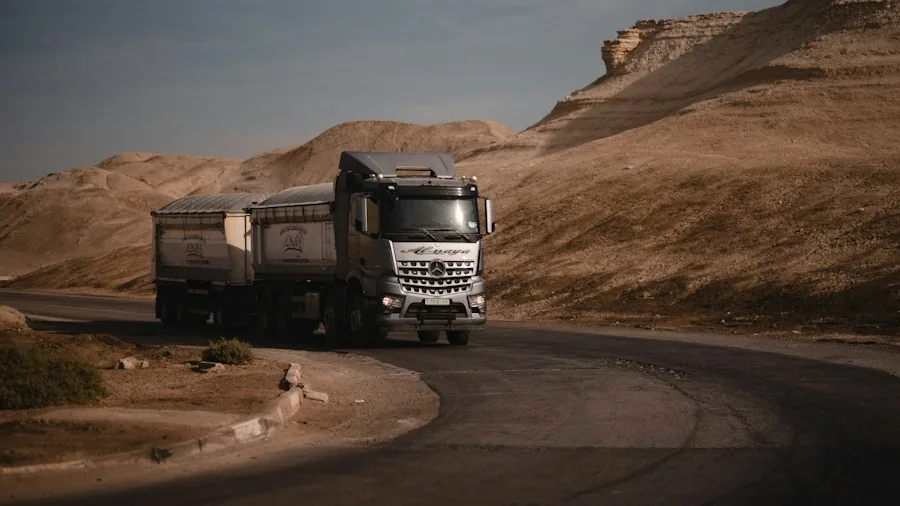
The Ramcharger enters a crowded segment dominated by established players. It will compete directly against the Chevrolet Tahoe and Suburban, Ford Expedition, and GMC Yukon, as well as Japanese alternatives like the Nissan Armada and Toyota Sequoia. With the hybrid SUV market expanding rapidly, RAM’s commitment to V-8 power positions the Ramcharger as a choice for buyers prioritizing performance and traditional engine character over fuel economy.
Pricing will be crucial to the Ramcharger’s success. Expected to start around $60,000, it must differentiate itself from the Grand Wagoneer, which begins near $68,000. The price gap needs to justify choosing RAM’s truck-focused brand over Jeep’s established luxury reputation. Additionally, RAM will need to convince truck-loyal customers that an SUV offers practical benefits like easier daily driving and family-friendly accommodations without sacrificing towing capability or rugged character.
Challenges and Timeline
Several obstacles could affect the Ramcharger’s market reception. Brand perception remains a hurdle, as RAM is primarily recognized for commercial trucks rather than family SUVs. Established competitors from General Motors and Ford have strong dealer networks and consumer loyalty. Volatility in fuel prices poses another risk, particularly if gasoline costs climb significantly, potentially dampening enthusiasm for a large, V-8-powered vehicle.
The Ramcharger is scheduled to launch in 2028 and will be manufactured at the Warren Truck Assembly facility in Michigan alongside the Grand Wagoneer. While the SUV market continues evolving with new competitors entering annually, the Ramcharger offers RAM buyers a domestically produced alternative that emphasizes V-8 performance and towing prowess in the mainstream full-size category.


Write Your Review
No reviews yet. Be the first to share your experience!