
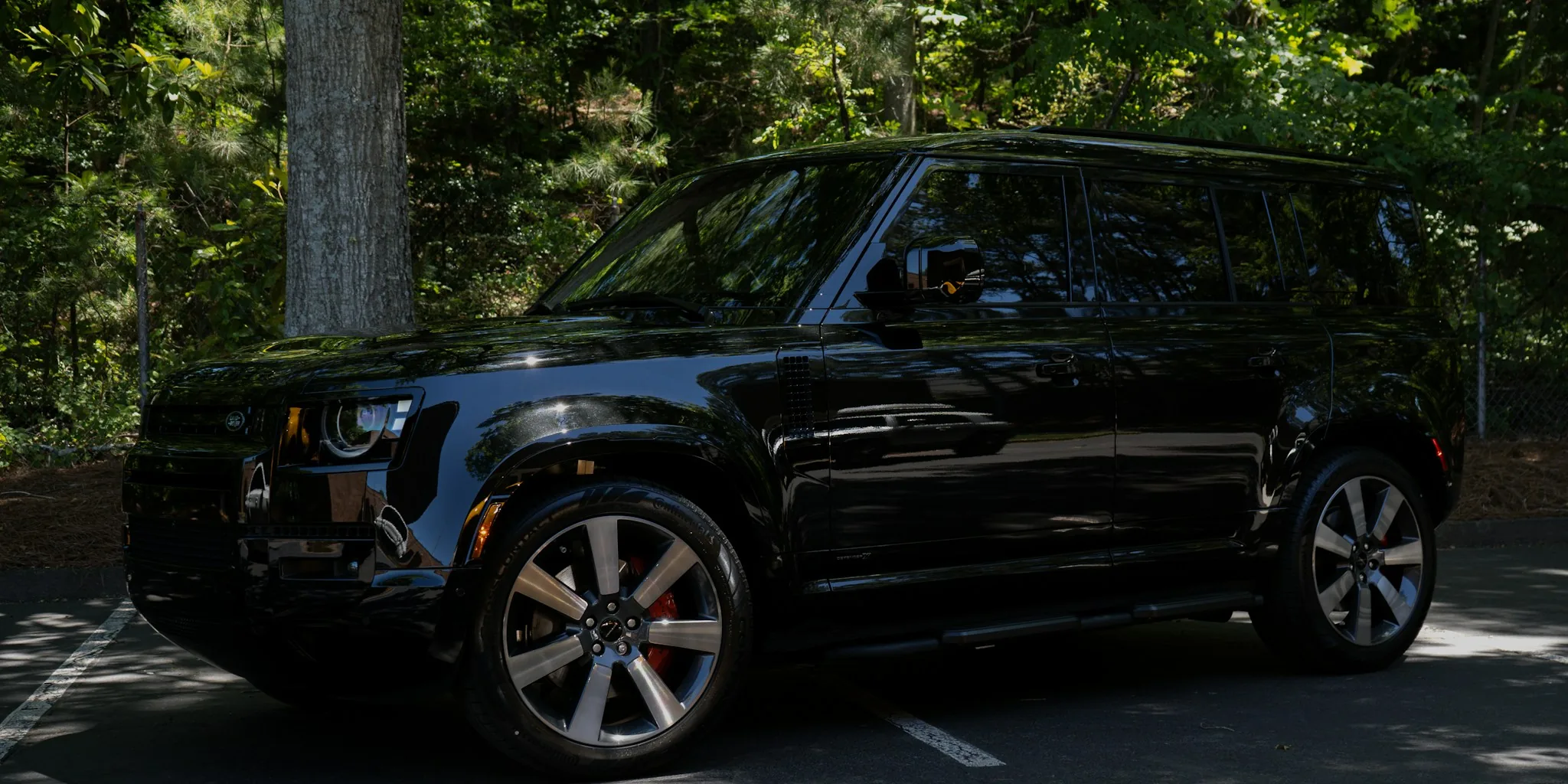

Two Budget-Friendly Range Rover Models Getting Axed
Range Rover has announced that two of its most affordable SUV models, the Evoque and Velar, will cease production by mid-2027. The automaker confirmed this shift as part of a broader strategy to transition its lineup toward premium electric vehicles. For buyers currently shopping in the entry-level luxury SUV segment, this news carries significant implications regarding pricing, availability, and future model options.
Why Range Rover Is Retiring These Models
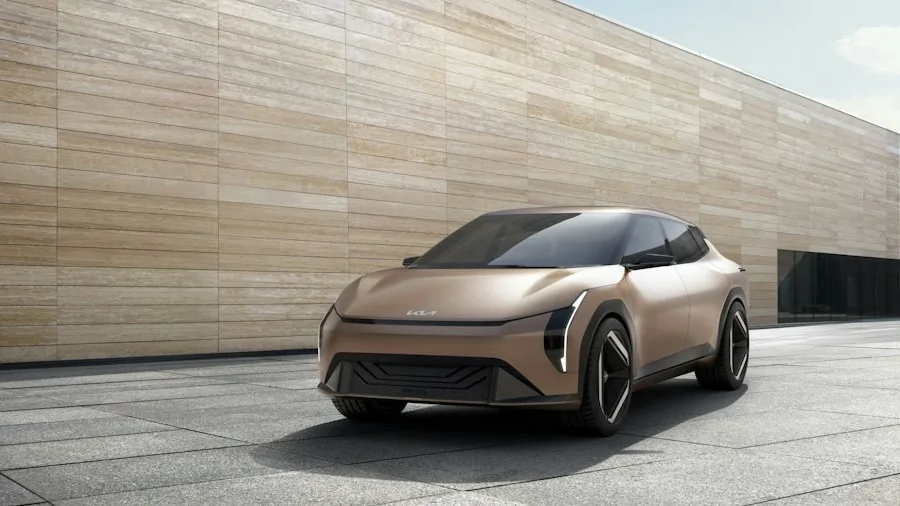
The Evoque and Velar have served as volume sellers for the brand, attracting customers who wanted Range Rover styling and capability without the six-figure price tag of the flagship Range Rover. The Evoque starts around $52,000 while the Velar comes in at approximately $64,000, making them accessible entry points to the luxury SUV market. However, sales figures tell the story: these two models combined accounted for only 6,000 of Land Rover’s total U.S. sales this year, representing just 10 percent of the brand’s domestic volume. This relatively small market share has led executives to redirect manufacturing resources toward new initiatives.
The discontinuation fits into Land Rover’s parent company strategy of focusing on electrification and repositioning the brand upmarket. The company is already rolling out the Range Rover Electric and developing a Range Rover Sport Electric, moves that signal a fundamental shift in how the brand operates and what customers it targets going forward.
Enter the Range Rover GT: Higher Price, New Direction
The incoming Range Rover GT will serve as the official replacement for both discontinued models. However, there is a substantial catch for budget-conscious shoppers. The new GT is expected to start at approximately $90,000, a dramatic increase from the Evoque’s $52,000 starting price. This represents a roughly $40,000 jump in entry-level pricing for the brand, effectively pushing out customers who were attracted to Range Rover’s lower-priced options.
The Range Rover GT itself represents a departure from traditional SUV design. Like other new luxury vehicles entering the market, it takes a sedan-like shape with a long, low profile and minimalist interior architecture. It will launch exclusively as a fully electric vehicle, featuring all-wheel-drive capability. While Land Rover indicates the platform can eventually support gas and hybrid powertrains, customers initially shopping for this replacement should expect electric-only options.
What This Means for Shoppers

The pricing gap created by this shift has important consequences for buyers. Those seeking affordable luxury SUVs in the $50,000 to $65,000 range will no longer have Range Rover options available. Instead, shoppers interested in capable SUVs with bold design may need to explore competing brands or Land Rover’s other divisions. The company has indicated that its Defender and Discovery brands will pick up sales demand in the sub-$90,000 segment, with rumors of a new Defender Sport model potentially arriving to fill the gap left by the Evoque.
The automotive industry continues to see similar brand repositioning moves, as manufacturers prioritize electrification and premium segments. Other automakers have also made strategic cancellations to focus resources on flagship electric models rather than volume sellers.
Timeline and Availability
Production of the Evoque and Velar will continue through 2027 in select global markets, though the company has not clarified whether the United States qualifies as a strong-demand market for these models. Shoppers interested in these vehicles should act before mid-2027 if they want to purchase one directly from a dealer. The Range Rover GT will arrive as a 2028 model, meaning there will be a transition period when neither the old budget-friendly models nor the new premium replacement are readily available.
Buyers currently considering a Range Rover SUV purchase should evaluate their budget and priorities. Those in the $50,000 range may want to accelerate their timeline before the Evoque disappears. Those open to premium pricing and electric powertrains can wait to test drive the GT when it arrives. In either case, this transition represents a clear signal that luxury automakers are moving away from affordable entry-level options, instead focusing on higher-margin electric vehicles and premium models. The industry trend toward reimagining SUV design continues to reshape what buyers will find available in coming years.





Write Your Review
No reviews yet. Be the first to share your experience!