


Gardening trends come and go, but one plant is quietly stealing the spotlight in designer gardens and residential landscapes across the country. According to award-winning garden designers, rosemary is emerging as the next must-have garden plant, and the reasons go far beyond its culinary appeal.
Why Rosemary Is Having Its Moment
For decades, rosemary has been tucked away in kitchen gardens, valued primarily for cooking. Yet designers and savvy homeowners are now recognizing this Mediterranean native as a powerhouse ornamental plant that solves real gardening challenges. As climate patterns shift and summers become hotter and drier, gardeners are increasingly seeking plants that thrive without constant watering and maintenance.
Rosemary checks every box. It’s incredibly drought tolerant, thrives in poor and sandy soils, handles high temperatures with ease, and requires minimal care once established. These aren’t just nice-to-have qualities in 2026: they’re essential for creating resilient, sustainable gardens that can handle unpredictable weather patterns.
Beyond functionality, rosemary offers year-round visual interest. The fine, feathery evergreen foliage provides structure through winter months when most gardens look bare. Its delicate blue flowers arrive remarkably early in the season, often before many other plants have even begun blooming, making it a valuable early source of nectar for bees and emerging pollinators.
Creating Garden Interest With Rosemary
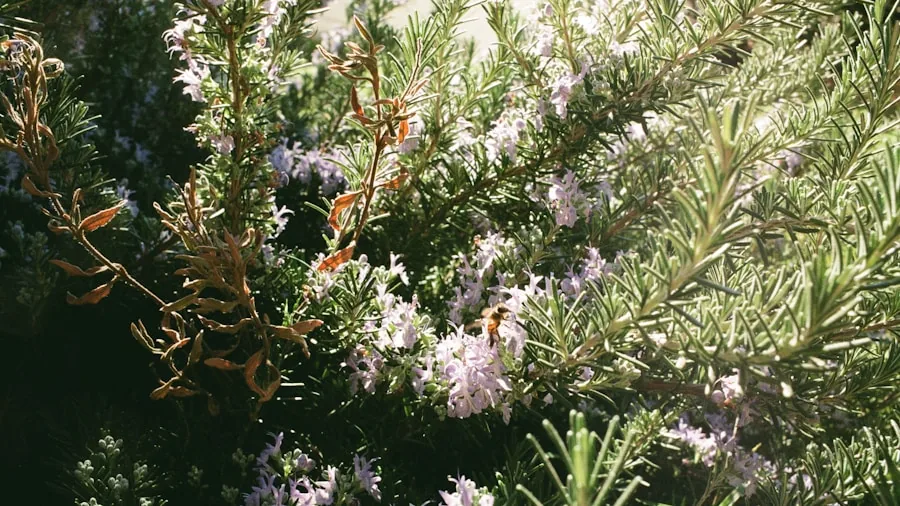
What makes rosemary particularly appealing to designers is its versatility. Upright varieties can be clipped into elegant topiary shapes or trained as informal hedges, adding architectural interest to modern and traditional gardens alike. They’re compact enough to work in small spaces, yet striking enough to serve as focal points. The right pruning tool makes maintaining clean lines simple, allowing homeowners to keep their rosemary topiaries looking polished throughout the season.
For a softer aesthetic, prostrate or creeping varieties offer a completely different personality. These cascading forms spill beautifully over raised beds, retaining walls, and container edges, creating that relaxed Mediterranean look while delivering fragrant foliage and pollinator-friendly flowers. They perform exceptionally well in hot, sunny spots where many conventional garden plants struggle.
The Sensory Experience of Growing Rosemary
Designers increasingly recognize that great gardens engage all the senses, not just sight. Rosemary delivers a complete sensory experience. Its unmistakable aromatic fragrance is released with the slightest brush of your hand or clothing. This aromatic quality makes it ideal for positioning near pathways, seating areas, or entry points where you’ll naturally interact with the plant.
The visual appeal is just as compelling. Those fine, delicate leaves create an airy texture that looks good in both contemporary and cottage-style schemes. When the blue flowers bloom, they add unexpected color and support critical early-season pollinator activity. Raised beds designed for small spaces work perfectly for growing herbs like rosemary alongside other drought-tolerant plants, making it easy to create a cohesive, water-wise garden design.
Practical Benefits for Today’s Gardeners
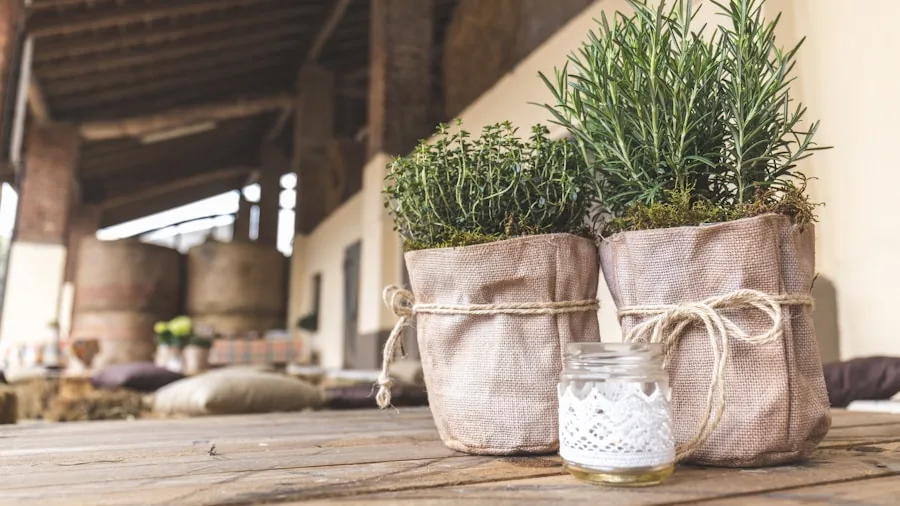
The appeal of rosemary extends well beyond aesthetics. As more gardeners acknowledge that traditional cottage garden plants often require excessive watering during prolonged dry spells, drought-tolerant alternatives become genuinely valuable. Rosemary’s Mediterranean heritage means it’s naturally adapted to exactly the conditions becoming more common in North American gardens.
Unlike ornamental plants that visibly struggle through dry periods, rosemary actually seems to thrive under these conditions. It prefers lean soils and bright sunshine, and it genuinely performs better when you resist the urge to overwater or over-fertilize. This makes it an excellent choice for gardeners juggling busy schedules who don’t have time to constantly tend their plants.
Its evergreen nature also means you’re not left with bare branches and empty spaces during winter. The foliage maintains its ornamental quality year-round, and early spring flowers provide visual interest when few other plants are actively blooming. A quality garden hose makes watering young rosemary plants during establishment simple and efficient, though once mature, supplemental watering is rarely necessary.
How to Incorporate Rosemary Into Your Garden
Whether you’re redesigning an entire garden or simply looking to refresh a tired border, rosemary offers flexibility. Start with the growth habit that appeals to you: upright varieties for structure and definition, prostrate types for softening edges and creating movement. Both can be grown from seed or purchased as established plants, giving you options based on your timeline and budget.
Position rosemary where you’ll pass it regularly, so you can experience its aromatic qualities throughout your day. Pair it with other heat and drought-loving plants for a cohesive, resilient garden scheme that requires less maintenance and watering than traditional designs.
The next ‘it’ plant doesn’t need to be rare or unusual. Sometimes the answer has been hiding in plain sight all along, waiting for gardeners to recognize its true potential.






Write Your Review
No reviews yet. Be the first to share your experience!