


Salomon has entered the fast-growing gravel running shoe market with its new Aero Blaze 4 GRVL, a purpose-built model designed for runners who need flexibility across multiple surfaces. The shoe arrives at a moment when more runners are exploring mixed-terrain routes, and major brands are responding with dedicated options.
Why Gravel Shoes Matter Now
Until recently, many runners dismissed gravel shoes as an unnecessary middle ground between road and trail footwear. That perspective is shifting as more running events blend pavement, dirt, and light trail sections. Runners who previously faced a difficult choice between dedicated road shoes (which suffer on loose surfaces) and bulky trail shoes (which feel clumsy on asphalt) now have a viable alternative.
The gravel shoe category has expanded significantly this year, with established brands adding gravel-focused versions to their lineups. However, shoes purpose-built from the ground up often perform better than road-to-trail hybrids, according to runner testing. Salomon and a handful of other specialists have committed to designing gravel models specifically, rather than simply rebranding existing shoes.
What the Aero Blaze 4 GRVL Offers
Testing revealed several key strengths. The shoe’s midsole uses supercritical eTPU foam pellets similar to premium road shoe technology, delivering lightweight responsiveness without sacrificing durability. At just 10.6 ounces for men’s and 8.9 ounces for women’s sizes, the shoe remains competitive on weight while handling multi-surface demands.
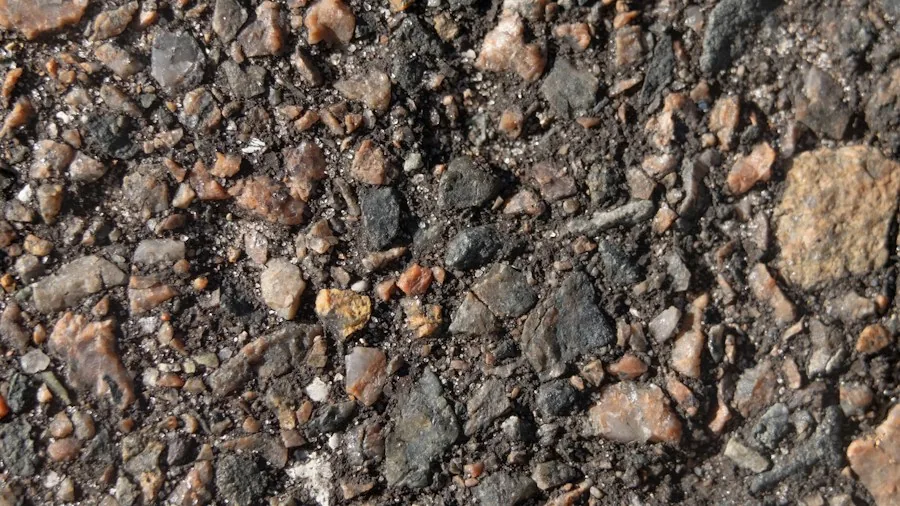
The outsole features shallow 2.5-millimeter lugs that provide enough grip on gravel and dirt without creating the bulky, tractor-like feel of traditional trail shoes on pavement. This balance proved effective across a variety of terrain, from smooth gravel roads to muddy patches and loose descents. The minimalist upper is made from breathable, abrasion-resistant textile that resists damage while allowing air circulation.
Real-World Performance and Limitations
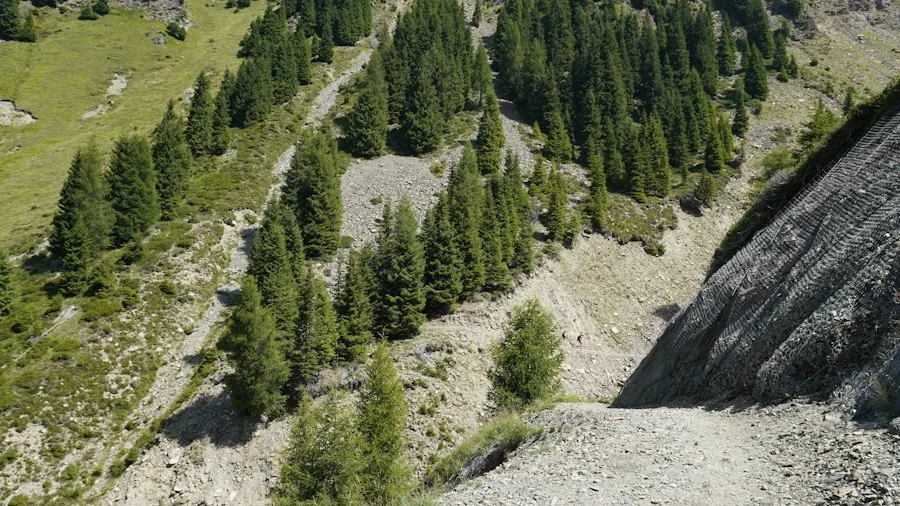
In testing across a 14-kilometer Alpine gravel race and a demanding Scottish highlands route, the shoe demonstrated its intended purpose clearly. It excels on groomed off-road surfaces, moderate elevation, and mixed pavement-and-dirt courses. Where it falters is on highly technical terrain with significant mud, marsh, and steep grassy slopes. The shallow lugs that work beautifully on stable ground lose traction dramatically when terrain becomes slick or unpredictable.
This is not a shoe for serious trail runners or ultramarathoners tackling gnarly backcountry. It is designed for runners who want versatility for everyday training and casual multi-surface events. If your primary goal is a reliable daily shoe that handles roads and light trails equally well, the Aero Blaze 4 GRVL delivers that combination effectively.
Gore-Tex Considerations
Salomon offers both standard and Gore-Tex waterproof versions. The waterproof membrane creates a notable trade-off: water that enters the shoe becomes trapped, turning it into a soaked experience that lasts for hours. Standard gravel shoes at least allow drainage and quick drying. For runners in wet climates, the non-Gore-Tex model may be the better choice despite lower water resistance, as it dries faster and maintains breathability more effectively.
Travel and Lifestyle Value
Beyond racing, gravel shoes serve a practical purpose for travel. Most runners don’t pack both road and trail shoes when vacationing, leaving them uncertain about what footwear to bring for daily training runs. A gravel shoe handles whatever terrain an unfamiliar running route throws at you, from city streets to park trails. The Aero Blaze 4 GRVL doubles as a casual lifestyle shoe, offering all-day comfort for walking through airports and exploring cities without looking overly technical or sporty.
Bottom Line for Buyers
The best running shoe ultimately depends on your specific needs, but gravel shoes have proven their value for recreational runners seeking versatility. The Aero Blaze 4 GRVL addresses the gap that many runners face when navigating mixed-surface routes, weekend races, or training runs in unfamiliar terrain. Its responsive foam, lightweight construction, and balanced outsole design make it a strong choice for everyday runners who want one reliable option instead of managing multiple specialized shoes. Plan to use it for moderate trails and varied terrain, not extreme technical conditions, and it will reward your confidence with consistent performance across surfaces.




Write Your Review
No reviews yet. Be the first to share your experience!