
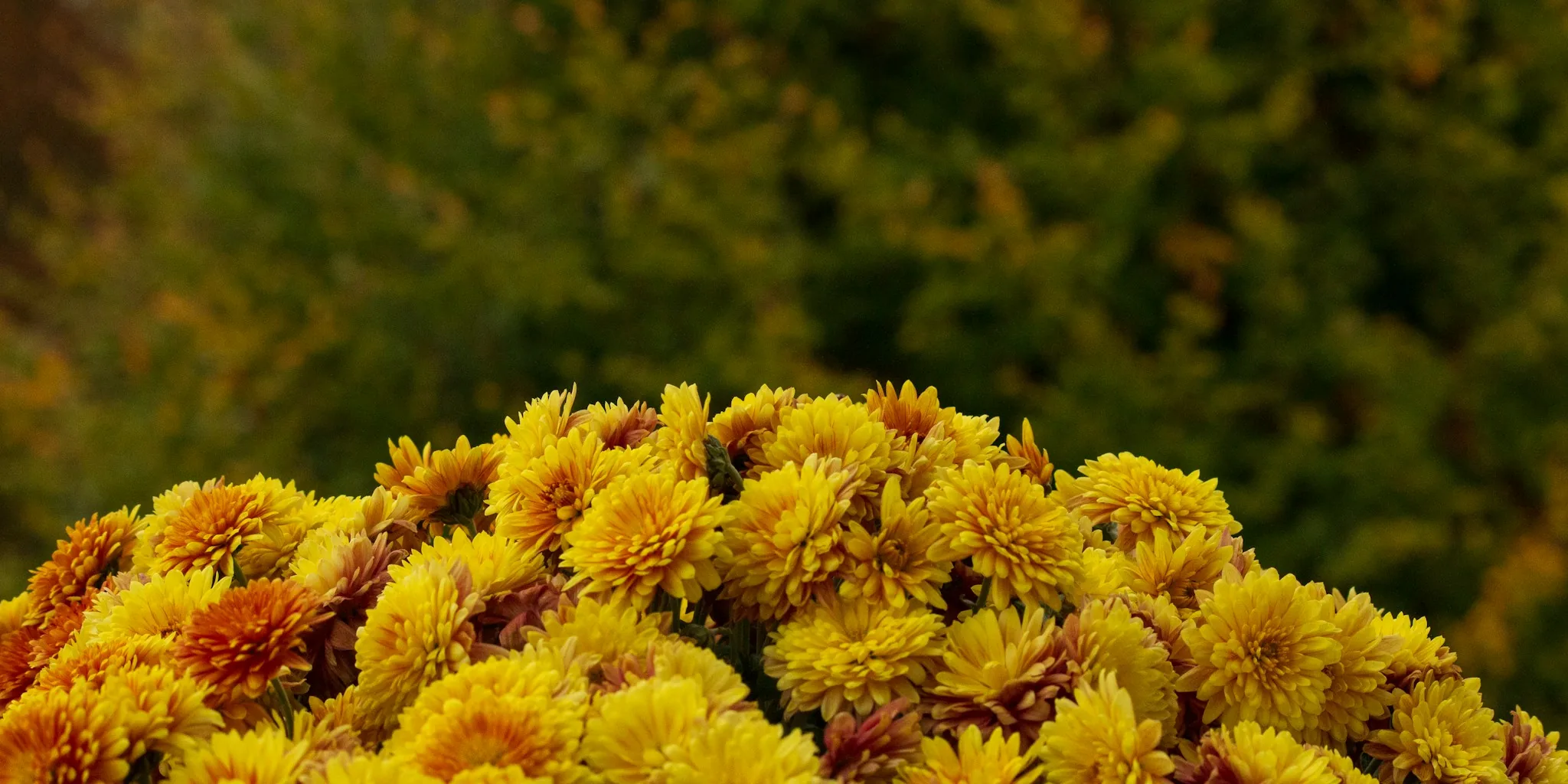

Two Classic Fall Perennials Deliver Color When Your Garden Needs It Most
As summer begins to fade and many garden plants lose their appeal, two perennial favorites step into the spotlight: sedum and asters. This proven plant combination has earned its place in gardens across the country because it delivers reliable, stunning color during late summer and fall when most other landscape plants have already peaked. For shoppers planning their fall garden refresh, understanding why these two plants work so well together can help you create a more visually striking and low-maintenance landscape.
Why This Plant Pairing Works So Well
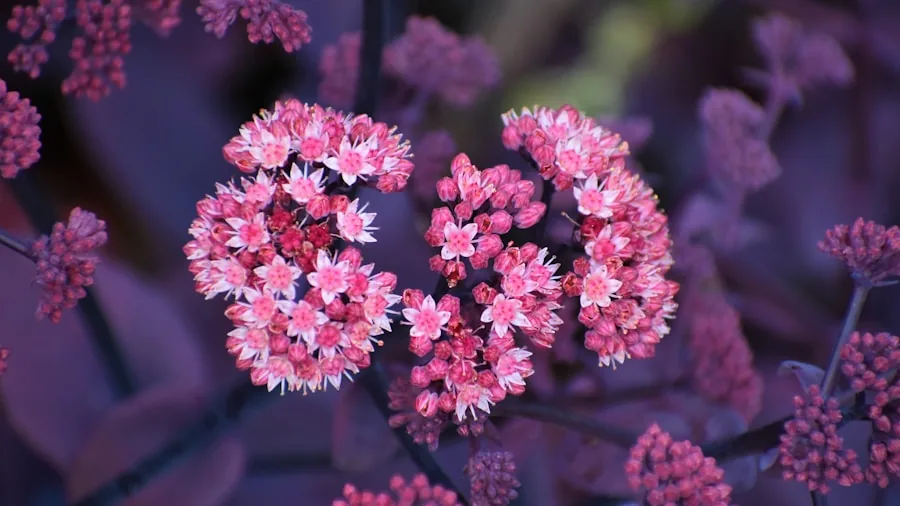
Sedum, also called stonecrop, and asters might look completely different at first glance, but their contrasting forms actually complement each other beautifully. Upright sedums produce broad, flattened flower clusters packed with tiny blooms, while asters create loose, frothy clouds of delicate daisy-like flowers on slender, branching stems. When planted together, the sturdy architectural structure of the sedum is softened by the wilder, more relaxed appearance of the asters, creating a garden design that feels both intentional and naturally balanced.
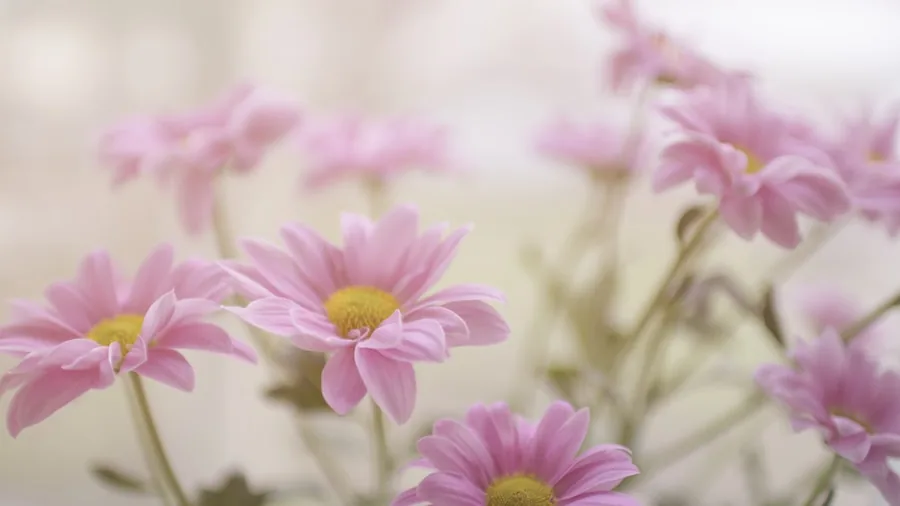
The color combination is equally striking. Sedums typically display warm tones including pink, bronze, and red, while asters bloom in shades of purple and pink. The bright yellow centers of aster flowers add a cheerful accent that ties the entire planting together. Beyond aesthetics, both plants thrive in identical growing conditions: they both love full sun and well-draining soil, making them practical partners for any gardener.
Choosing the Right Varieties for Your Garden
Garden centers and online retailers offer numerous varieties of both plants, giving you flexibility to match your space and style preferences. For sedum, the Autumn Joy variety remains a popular and reliable choice that performs consistently year after year. If you prefer more dramatic color options, varieties like Mr. Goodbud sedum or Back in Black sedum offer richer, more unexpected tones that create stronger visual impact in the border.
When selecting asters, Italian aster types tend to be naturally more compact at one to two feet tall, making them easier to pair with sedums without height imbalances. Dwarf varieties like October Skies or Woods Pink asters work particularly well because their moderate size creates a more harmonious composition. For those willing to experiment, taller varieties like New England asters can work beautifully when positioned strategically with sedums placed in front to minimize any legginess in the design.
Flower forms vary widely among aster varieties too. While some produce classic daisy shapes, others resemble cornflowers, zinnias, or even mums, giving you creative options to customize your garden’s appearance. As you shop for these plants, quality planters and containers can enhance your plant display if you prefer container gardening to in-ground planting.
Planting and Design Tips
Successful garden design with this plant combination involves thoughtful placement rather than rigid patterns. Rather than isolating individual plants or arranging them in alternating rows, plant them in loose, flowing groups that feel organic and natural. Position taller asters toward the back of beds and use sedums to create generous masses in front. Allow the edges of plants to mingle slightly for a softer, more integrated appearance. In larger borders, repeat this combination at intervals to establish good visual rhythm throughout the space.
Growing Requirements and Maintenance
One major advantage of this plant pairing is their compatible care needs. Both plants thrive in full sun and well-draining soil, and both tolerate dry conditions once established. Sedums are particularly drought tolerant and dislike wet, heavy soil, while many asters prefer more consistent moisture. A moderately fertile, free-draining location that doesn’t become waterlogged offers a good compromise for both species.
Neither plant requires heavy fertilization, and overly rich soil can actually encourage weak, floppy growth that detracts from their structural appeal. Proper soil preparation before planting ensures both species will thrive for years with minimal intervention.
When fall arrives and flowering begins to wind down, resist the temptation to cut plants back immediately. The fading flower heads of sedum continue changing color and adding visual interest long after blooms have faded. Asters provide critical late-season nectar for pollinators when few other food sources remain available. Leave the spent stems standing through winter to support wildlife and add structure to your winter garden. Cut everything back before new spring growth appears.
Extended Season of Interest
What truly sets this plant combination apart is the extended period of beauty and function it provides. When most summer bloomers fade, sedum and asters take center stage, ensuring your garden maintains color and visual impact heading into fall. The combination transforms the end of the growing season from a period of garden decline into a celebration of autumn color. This long season of interest makes investing in quality plants from reputable sources a smart choice for any gardener seeking reliable, season-extending color without demanding care requirements.




Write Your Review
No reviews yet. Be the first to share your experience!