

September Cover Crops for Garden Soil Health: What Shoppers Need to Know
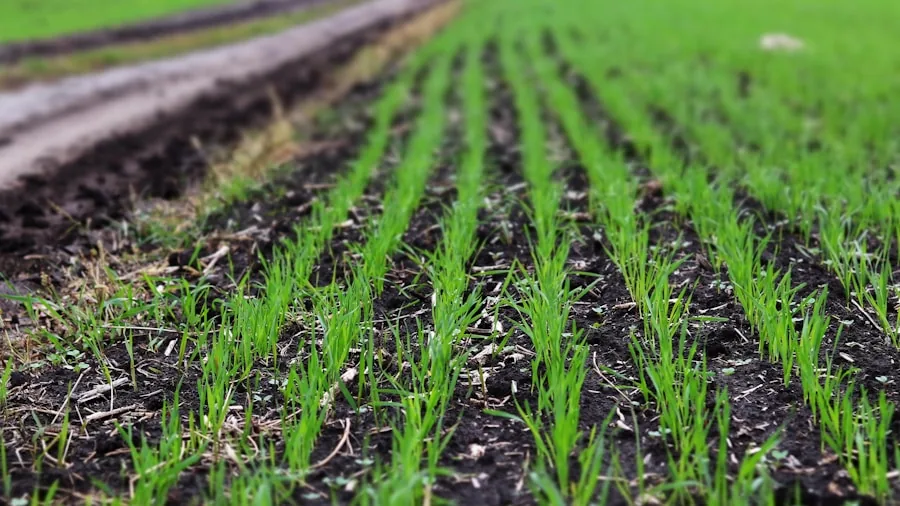
If you want healthier, more productive garden beds next spring, September is the ideal month to act. A time-tested farming practice called cover cropping is now gaining traction among home gardeners who understand its benefits. Unlike traditional crops grown for harvest, cover crops are planted specifically to improve soil quality over the winter months and turned back into the earth come spring.
Why Plant Cover Crops This Month
September planting works because soil temperatures remain warm enough to trigger seed germination, yet there is sufficient time for seedlings to establish before the first frost arrives. Cover crops address multiple soil problems simultaneously: they prevent erosion on bare winter ground, suppress weed growth, reduce soil compaction, add essential nutrients, and create an environment where beneficial microorganisms thrive. This approach transforms a dormant garden bed into a living system that builds fertility for the year ahead.
The process is straightforward. Simply scatter seeds over prepared soil, rake them lightly into contact with the earth, and water regularly until the cover crop becomes established. You don’t need acres to benefit from this strategy, either. Whether you manage a small raised bed or a large traditional garden plot, cover crops improve soil health at any scale.
Six Cover Crop Options for Fall Planting
Winter Rye is a cold-hardy cereal grain that germinates quickly and survives harsh winter conditions. Its deep root system breaks apart compacted soil while reducing erosion. Winter rye also releases natural compounds that inhibit seed germination of competing plants, making it excellent for weed control. One important reminder: chop and work it into soil early in spring, as it grows rapidly once temperatures warm.
Oats are a cool-season choice that germinates and grows fast as fall temperatures drop. While oats likely won’t survive winter in most climates, they offer immediate soil protection during vulnerable fall months. Unlike winter rye, oats won’t regrow aggressively in spring, making them easier to incorporate. Their dead foliage adds organic matter and nutrients to your beds.
Crimson Clover delivers both visual appeal and soil enrichment. This flowering legume creates an attractive cover while supporting early spring pollinators before you turn it back into the ground. As a legume, crimson clover performs nitrogen fixation, converting atmospheric nitrogen into a form plants can use. This boosts nitrogen levels for your next crop naturally.
Hairy Vetch is another nitrogen-fixing legume option. It produces more green material than clover, adding greater volumes of organic matter to your soil. Its stronger root system makes it particularly effective if erosion or compaction are major concerns in your beds. Plan to work it in early spring, as hairy vetch is more vigorous than clover and can become dense if left too long.
Field Peas offer nitrogen fixation with simplified spring management. While less winter-hardy than other legumes, field peas grow quickly in fall, creating a protective vine mat that suppresses weeds even after frost damage occurs. The real advantage here is ease of incorporation. Even partially decomposed field peas integrate into soil far more readily than other options, reducing your spring workload considerably.
Annual Ryegrass focuses on structural improvement. It rapidly develops a dense root system that binds soil particles together, controls erosion, and corrects compaction issues. Depending on your climate, it may survive winter and regrow in spring, so be prepared to turn it under early before it becomes overly established.
Choosing the Right Cover Crop for Your Needs
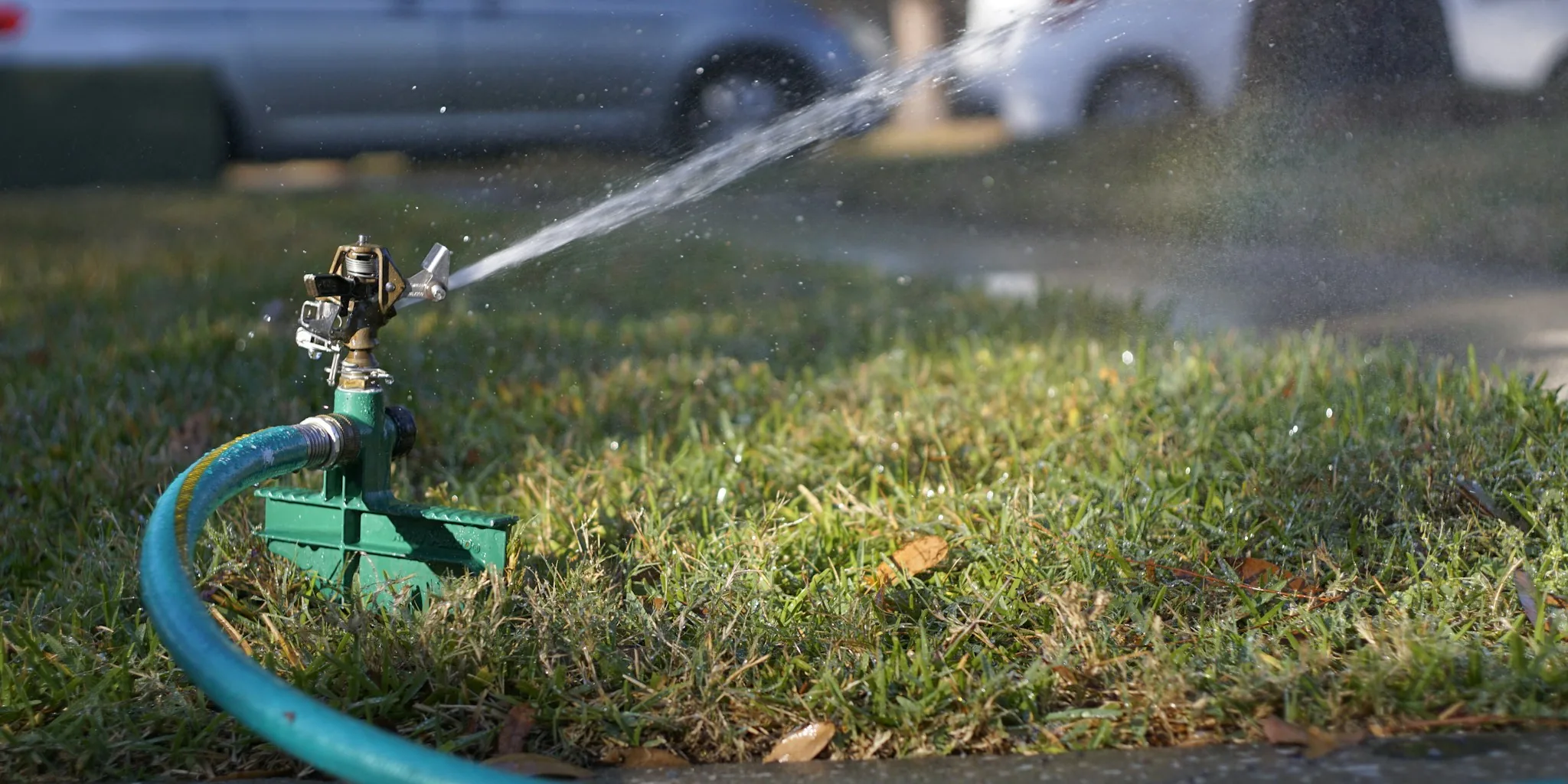
Your selection depends on which soil problems you prioritize. Need nitrogen enrichment? Choose a legume like clover, vetch, or field peas. Concerned about erosion or compaction? Winter rye or annual ryegrass provide excellent root systems. Want the easiest spring management? Oats or field peas require less effort to incorporate. A reliable garden hose ensures adequate moisture during establishment, which is critical for any cover crop’s success.
Many gardeners prefer purchasing a pre-mixed seed blend containing multiple cover crop species plus wildflowers. These mixes balance different benefits without requiring individual decisions. Available at most garden retailers and online, these blends simplify the selection process while delivering comprehensive soil improvement.
Spring Incorporation and Garden Preparation
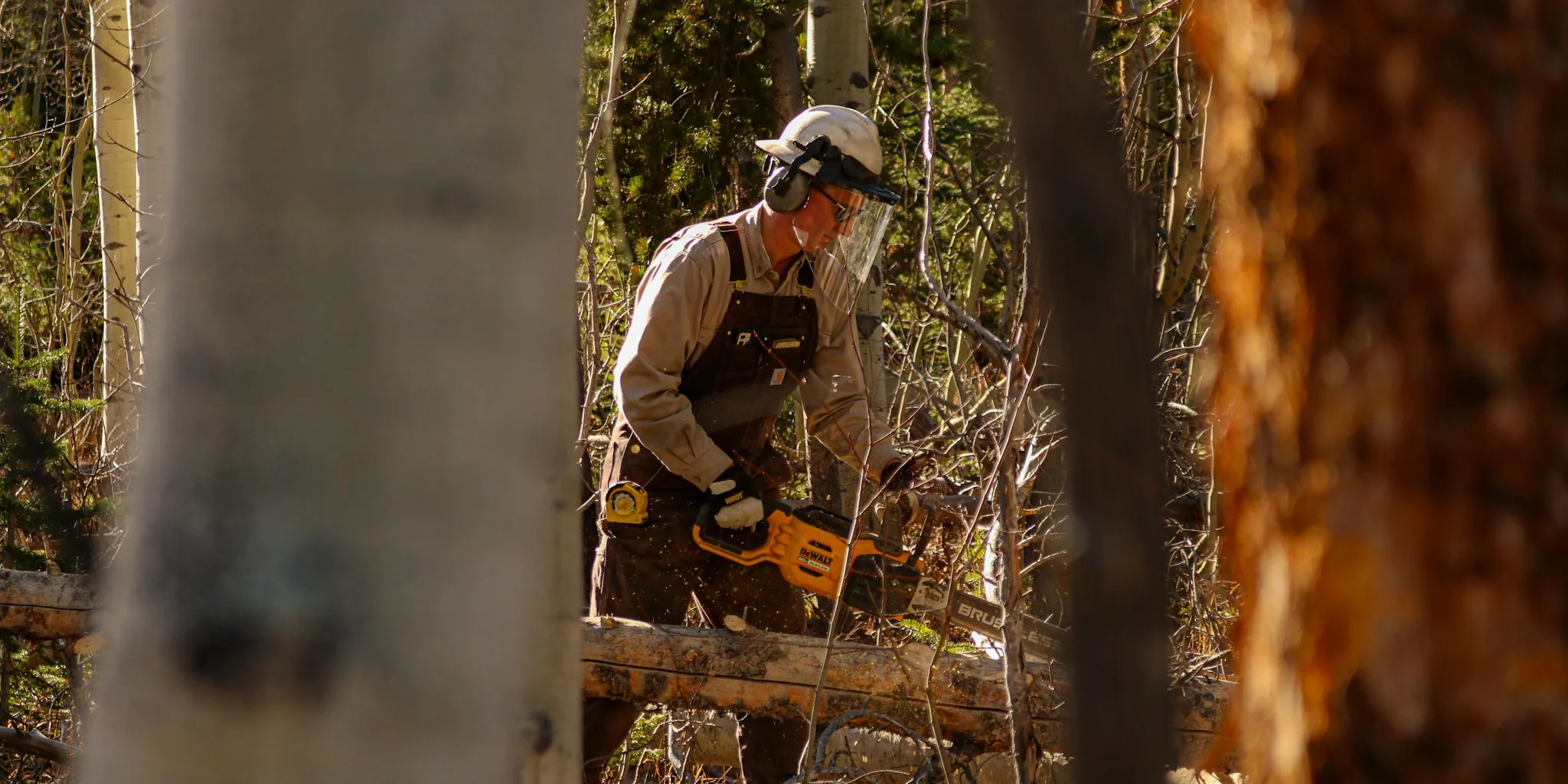
Come spring, each cover crop requires incorporation back into the soil. This is where your effort investment pays off. Quality pruning tools make chopping up cover crop foliage faster and easier, transforming organic matter into manageable pieces before tilling. The timing matters significantly, particularly with vigorous growers like winter rye or hairy vetch, which should be turned under before they enter rapid spring growth.
The dead foliage from cover crops decomposes over several weeks, releasing nutrients and building soil structure simultaneously. This organic material improves water retention, aeration, and the overall tilth of your garden beds. By summer planting season, your soil will be noticeably richer and more workable than it was the previous year.
Planting a cover crop in September requires minimal investment and effort compared to the substantial soil improvement benefits you’ll harvest come spring. Whether you’re establishing raised garden beds for the first time or refreshing existing plots, cover cropping is an essential practice that transforms garden management and plant productivity for seasons to come.




Write Your Review
No reviews yet. Be the first to share your experience!