
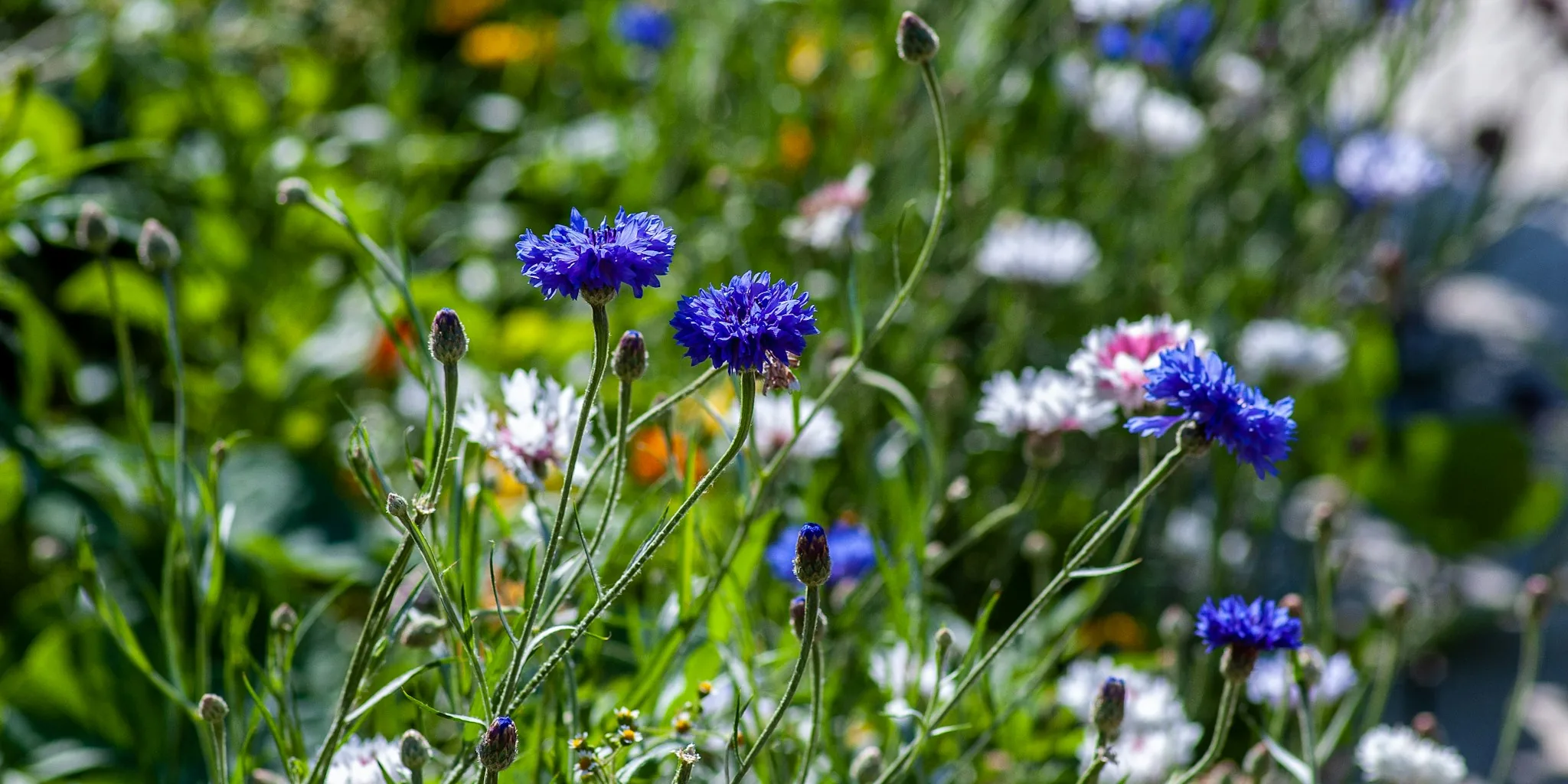

September is prime time for one of the most rewarding garden maintenance tasks: dividing overgrown perennials. The combination of cool air and warm soil creates ideal conditions for transplants to establish strong roots before winter sets in. If you’ve noticed your flower beds looking crowded or your plants flowering less abundantly than in previous years, dividing is a practical solution that can rejuvenate your garden and create new plants for free.
Why September Works for Dividing
Timing matters significantly when dividing perennials. The general rule is straightforward: divide plants that bloom in spring and summer during early fall, but leave fall-flowering plants untouched. This approach gives transplants adequate time to establish before ground freezes, typically four to six weeks from now. The cooler temperatures reduce transplant shock while the soil remains warm enough to encourage root development.
Six Perennials Ready for Division
Garden Phlox and Astilbe
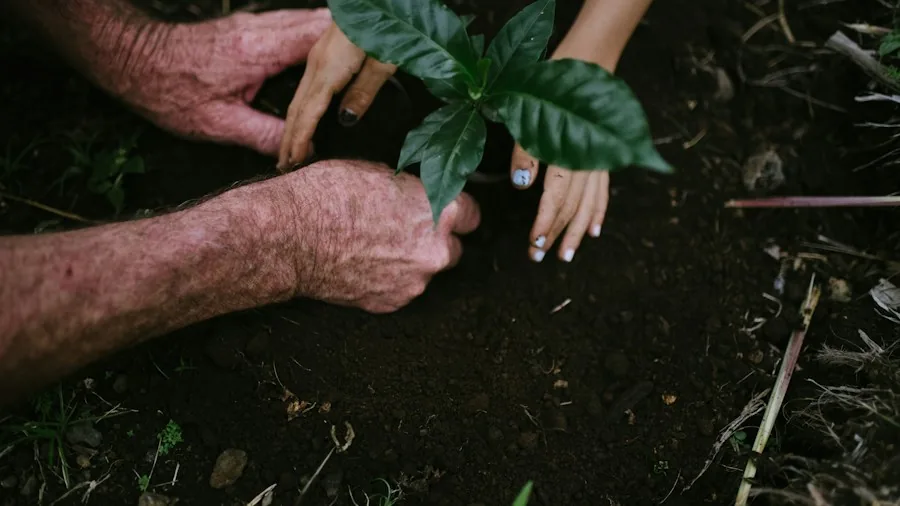
Garden phlox blooms in summer, making early fall the perfect window for dividing overcrowded clumps. Water your phlox thoroughly before digging, then carefully lift and separate the clump into sections with healthy roots and multiple shoots. Larger divisions establish faster than tiny pieces, so resist over-dividing. Astilbe plants, which typically need division every three to four years, have fleshy root systems that cooperate well during this process. Use a sharp spade to separate the crown into manageable sections, then replant immediately and water consistently.
Spiderwort and Veronica
Spiderwort tolerates division whenever crowding becomes evident. Dig up the clump and gently shake away soil to expose roots and stems, which often separate by hand. Each new plant needs healthy roots and visible shoots. Veronica, also called speedwell, rewards early fall division with fresher, bushier growth the following spring. These tough-rooted plants benefit from a sharp knife or spade to make clean cuts. Discard the dead woody center and propagate only the vigorous outer growth portions.
Oriental Poppy and Asiatic Lilies
Oriental poppies follow a unique growth pattern, going dormant during summer heat before sprouting new growth in early fall. This regrowth period is your opportunity to divide them, though they present a challenge due to their long taproots. Water the soil first to soften it, then dig deep and carefully cut vertically through the root system so each section includes both taproot material and shoots. Asiatic lilies wind down in early fall, making division straightforward. Look for small bulblets attached to the parent bulb, separate them carefully, and replant immediately to prevent drying.
When performing any division work, invest in quality gardening gloves that protect your hands while giving you dexterity to handle delicate root systems. A specialized perennial spade designed for dividing and transplanting makes the physical work considerably easier.
Plants to Leave Alone This Fall
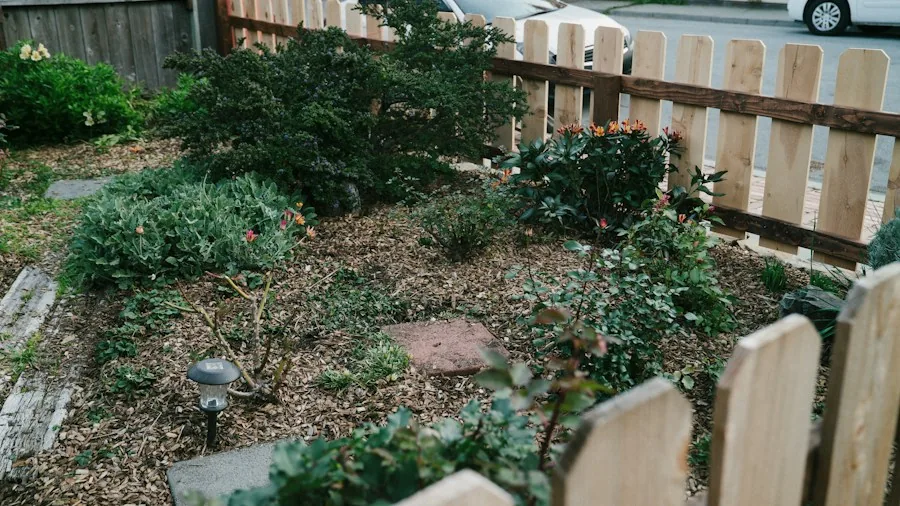
Not every perennial benefits from fall division. Chrysanthemums, the quintessential fall bloomers, are actively flowering and deserve to remain undisturbed now. These and other fall mums divide best in early spring. Ornamental grasses should also wait until spring, as fall divisions tend to rot at the roots. Additionally, these grasses provide valuable winter shelter and visual appeal for your landscape. New England asters are putting on their best show in September and dividing them now causes unnecessary stress while reducing their flowering performance. Spring division keeps them healthier and more productive.
Best Practices for Success
Preparation separates successful divisions from stressed transplants. Choose a cool, cloudy day to minimize shock. Prepare the new planting site completely before you begin digging, so divisions can go directly into prepared soil. Always replant at the same depth as the mother plant and water thoroughly immediately after transplanting. As your plants recover and grow throughout fall and winter, consider how water-smart design principles can support your established and newly divided plants going forward.
Don’t automatically divide every crowded plant. Be selective and strategic. The difference between thoughtful division and indiscriminate splitting determines whether you’ll have double the healthy plants next spring or struggle with struggling transplants. September’s favorable conditions won’t last long, so plan your dividing project now and tackle it within the next few weeks for optimal results.



Write Your Review
No reviews yet. Be the first to share your experience!