

When it comes to garden planning, most homeowners focus on spring and summer color. But savvy gardeners know that the best plants do double duty: they offer stunning flowers when temperatures warm up, then transition into architectural elements that make your outdoor space interesting even after the first frost.
The difference between a garden that goes dormant in fall and one that remains visually compelling year-round often comes down to plant selection. By choosing species that provide both seasonal blooms and structural appeal, you can keep your beds and borders looking polished from spring through winter.
Sedums for Rust-Red Winter Drama
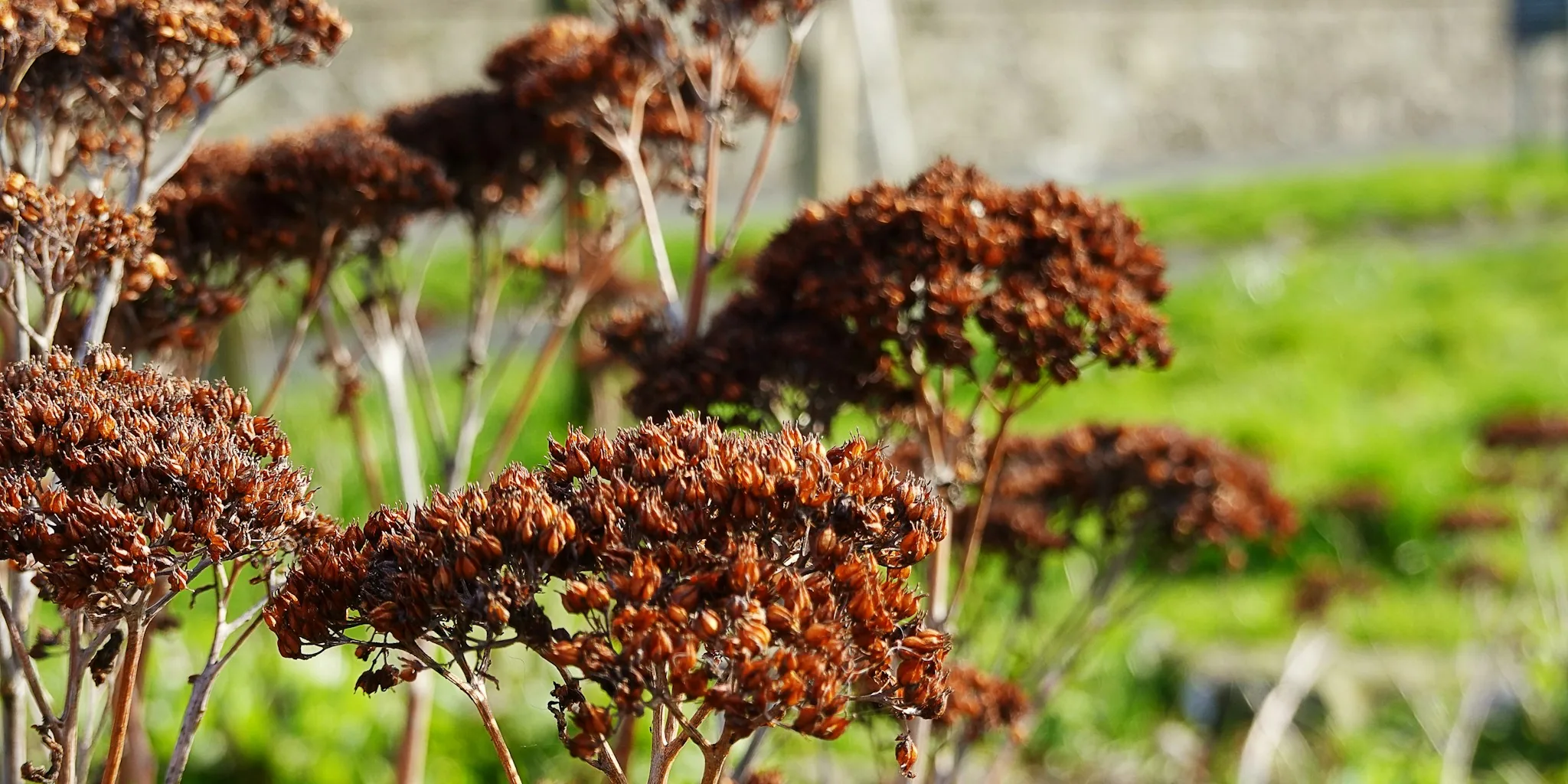
Sedums, also called stonecrop, are succulent perennials that thrive in full sun and dry, well-drained soil across USDA zones 3 through 9. They produce clusters of small flowers in late summer and fall, but here’s where they shine: as temperatures drop, the flower heads shift to rich rust-red, copper, and bronze tones that persist long into winter. The fleshy leaves add additional textural interest, so resist the urge to cut back your sedum plants in autumn. Instead, let the dried seedheads stand as natural garden sculpture. Standout varieties include Autumn Joy, which opens pink before deepening to coppery-red, and Back in Black, which pairs near-black foliage with pale blooms and persistent seedheads.
Coneflowers as Winter Yard Sculptures
Coneflowers are native perennials beloved for their tall, elegant stalks and striking summer blooms. They grow best in full sun and well-drained soil in zones 3 through 9. After the flowers fade, the distinctive cone-shaped seedheads remain atop sturdy stems, creating sculptural forms that feed birds throughout fall and winter. Don’t cut back your coneflowers when blooming ends; instead, leave them standing to provide striking structural interest. Purple coneflower is the classic choice, while Cheyenne Spirit offers a vibrant mix of red, orange, yellow, cream, and purple flowers. For an economical approach, many seed companies offer mixed-color packs that let you grow a substantial drift at reasonable cost.
Sea Holly, Alliums, and Other Architectural Beauties
Sea holly thrives in zones 5 through 9 in full sun and sandy, well-drained soil, producing silvery blue, thistle-like flowers that dry in place to create spiky, sculptural seedheads. Ornamental alliums, relatives of culinary onions, are prized for their unique spherical flower heads that tower above surrounding plants. Once they finish blooming in spring or early summer, the dried seedheads remain upright and attractive well into winter, adding striking vertical interest to your beds.
Jerusalem sage (phlomis) is a Mediterranean shrub native that produces yellow summer blooms followed by distinctive pom-pom-like seedheads that look like living yard art. In zones 8 through 10, it remains evergreen, while in zones 5 through 7 it becomes deciduous but still delivers winter appeal through its dried stems.
Shade-Tolerant Options and Grasses

If your garden includes shadier spots, astilbe is an excellent choice. This perennial produces feathery plumes of pink, purple, white, or red flowers in partial shade across zones 3 through 9. When the blooms fade by late summer, leave them in place: they retain their feathery texture as they dry to muted tan and bronze, bringing lightness and interest to shaded borders.
Ornamental grasses deserve their own category for year-round appeal. Whether you choose tall varieties, short clumping types, or arching forms, these plants offer visual interest through every season. In fall and winter, their blades, airy seedheads, and natural movement in the wind provide stunning texture. Popular varieties include pink muhly grass, which produces clouds of pink flowers before fading to soft tan, and ‘Karl Foerster’ feather reed grass, valued for its strong upright structure that lasts well into winter.
Shopping Smart for Structural Plants
When purchasing any of these plants, verify that the varieties you select are appropriate for your USDA hardiness zone, soil type, and available light. Most are widely available from major garden retailers, nurseries, and online suppliers. The right pruning tools will help you prepare these plants for their best performance, especially when it comes time for spring cleanup.
To maximize year-round garden appeal, plan for diversity. Combine airy grasses with spiky sea holly for contrasting textures. Create layers using short, medium, and tall plants. Don’t overlook containers, either: strategic placement of planted pots can add substantial fall and winter interest throughout your landscape. Quality gardening gloves will keep your hands comfortable while planting and maintaining these structural beauties.
By selecting plants based on their complete life cycle rather than just peak bloom season, you’ll create a garden that remains engaging and visually satisfying from spring through winter. The combination of summer color and architectural interest creates depth and keeps your outdoor space looking intentional and well-maintained long after the main growing season ends.





Write Your Review
No reviews yet. Be the first to share your experience!