
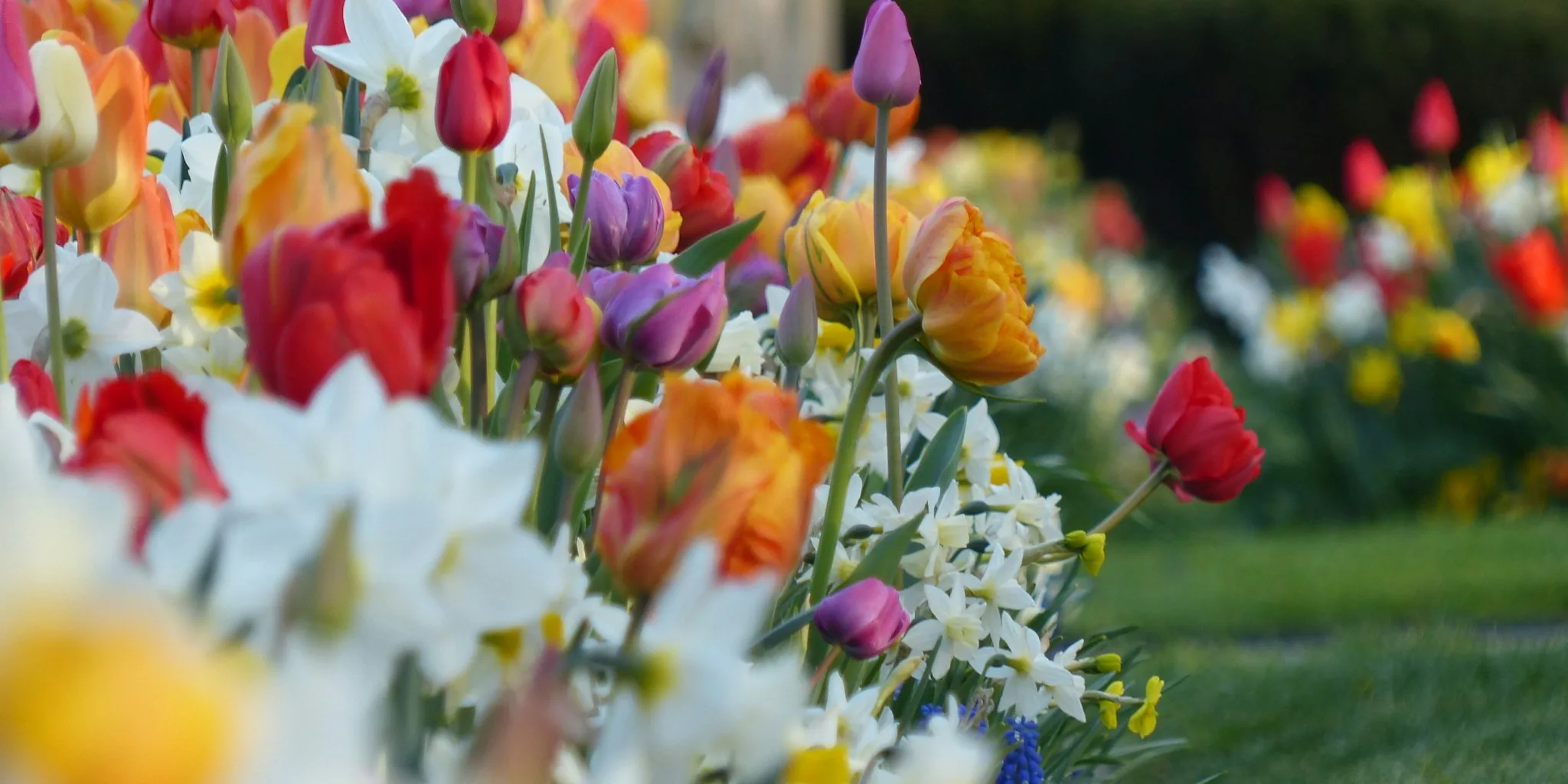

September is here, and that means it’s prime time to start thinking about your spring garden. While tulips and daffodils have their place, exploring lesser-known bulb varieties can transform your outdoor space into something truly special. We’ve gathered seven unique spring-flowering bulbs worth adding to your planting list this fall, each bringing its own advantages in terms of bloom timing, shape, and pollinator appeal.
Why September is Your Bulb-Planting Window
Most spring-blooming bulbs need a cold period over winter to flower properly in spring, making fall the ideal planting season. September offers the perfect window before the ground freezes. However, always check your specific growing zone before digging, as planting dates and hardiness ranges vary by region. If you’re considering installing new garden beds, explore raised garden beds we recommend for small spaces to give your bulbs the best growing environment.
Crocuses: The Earliest Bloomers
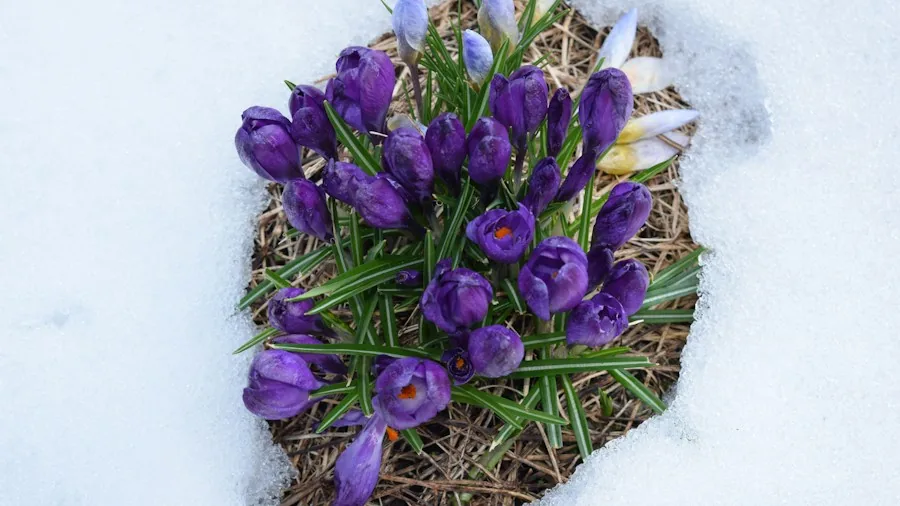
Crocuses are champions of early spring color. These cheerful flowers, typically white or purple, often push through late winter snow, giving your garden life when everything else is still dormant. Plant them in September in zones 3 through 8, positioning each bulb with the pointed end up and about three to four inches deep in well-draining soil. After blooming ends, resist the urge to trim back the foliage right away. Let the leaves fade naturally so they can replenish energy in the corms for next year’s display.
Alliums: Architectural Purple Globes
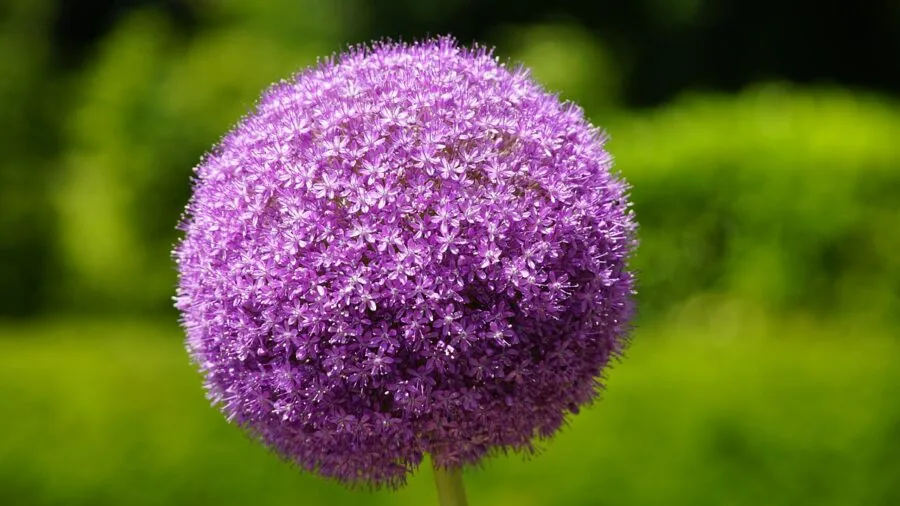
Ornamental alliums belong to the onion and garlic family and produce stunning spherical flower clusters on tall, sturdy stems in late spring and early summer. These globe-shaped blooms in shades of purple add height and structure to a mixed planting scheme. A major advantage: deer and squirrels tend to ignore them, making alliums an excellent choice if wildlife damage is a concern in your yard. Plant bulbs in September or October in zones 3 through 8, spacing them about three to four times as deep as their length. Combine them with earlier-blooming bulbs for continuous seasonal color.
Ranunculus: Rose-Like Spring Blooms
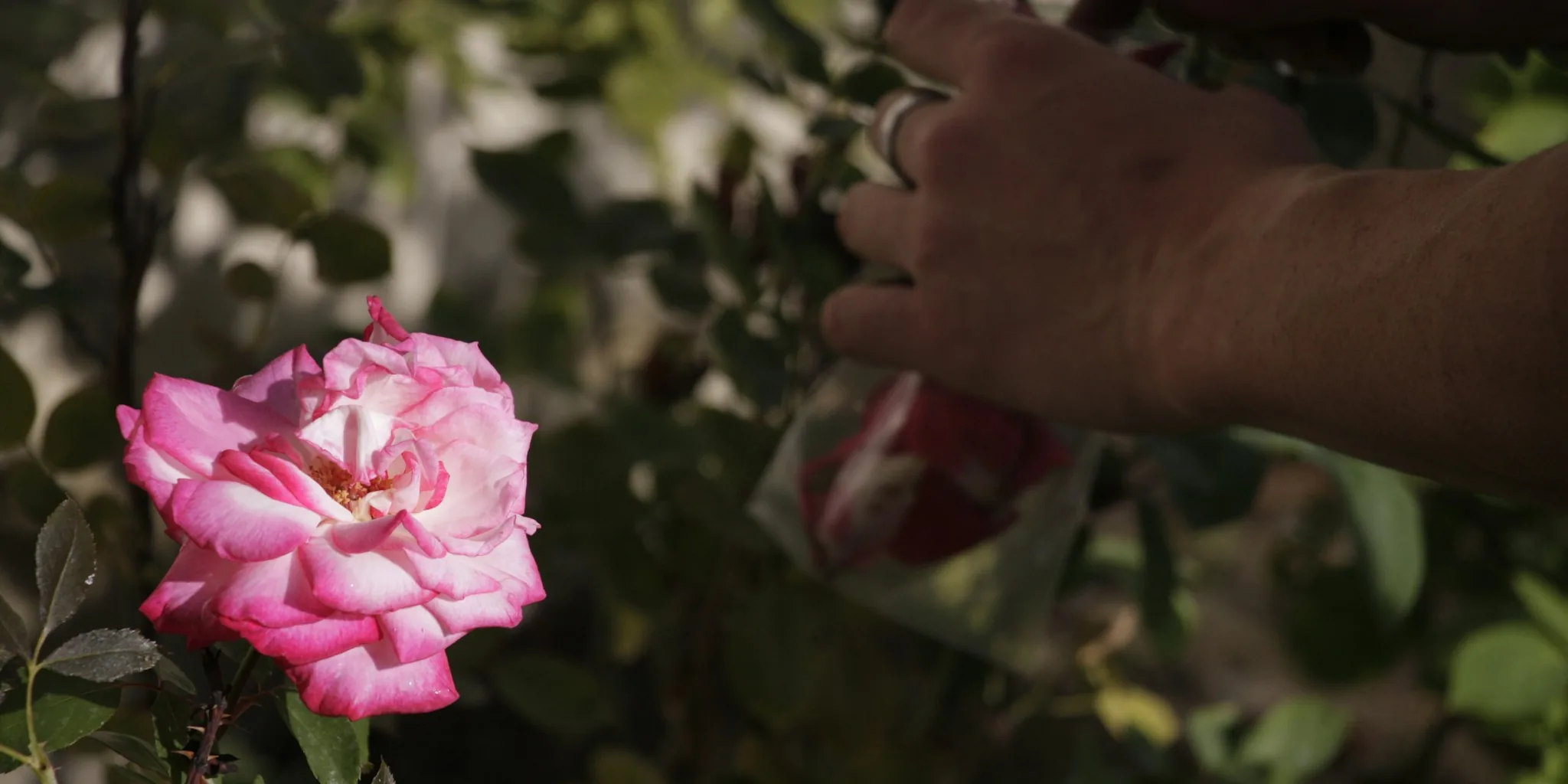
Ranunculus flowers resemble romantic garden roses and deliver intense, showy color in early to mid-spring. These are perennials in warmer zones (8-10) but act as annuals in colder climates. In cooler regions, many gardeners wait until spring to plant or grow them in containers they can shelter from harsh winter conditions. If you do plant in September, place bulbs with the claw-like protrusions pointing downward, about one to two inches deep. Proper drainage is critical for success.
Fritillaria: Unique Bell-Shaped Flowers
If you want something truly unusual, fritillaria delivers. These bulbs produce hanging, bell-shaped blooms in mid- to late-spring with fascinating colors, including distinctive checkerboard patterns. Growing zones 4 through 8 can support most varieties, though some have specific requirements. The key is excellent drainage, especially during winter months. Follow variety-specific planting depth instructions closely, as fritillaria bulbs require depths several times their length.
Snowdrops: Delicate Winter Pioneers
For the absolute earliest spring flowers, snowdrops are unbeatable. These delicate, white, bell-shaped blooms often emerge while snow blankets the ground. They prefer partial shade, so consider planting them in wooded areas or under deciduous trees. Hardy in zones 3 to 8, snowdrops should go in the ground during early fall at a depth of two to three inches in soil that drains well but stays consistently moist. They naturalize beautifully when conditions suit them, spreading over time to create larger drifts.
Camassia and Spring Starflower
Camassia, sometimes called wild hyacinth, is a North American native that blooms in late spring with star-shaped flowers in blue, purple, or white on tall stems. Unlike most bulbs, camassia tolerates wetter soil conditions, making it perfect for rain gardens or low-lying areas. Plant in zones 4 through 8 in September or October at a depth of four to six inches.
Spring starflower is a low-growing, tough South American native reaching just three to six inches tall. Its star-shaped blossoms arrive in blue, purple, and white, and the fragrance is a delightful bonus. Hardy in zones 5 through 9, this variety creates dense mats that suppress weeds while looking beautiful. When planning your watering strategy, you might want to review the best garden hoses for every yard size and budget to ensure consistent moisture during the growing season.
The Bottom Line
Stepping beyond conventional spring bulb choices opens doors to earlier blooms, unusual flower shapes, varying heights, and improved pollinator support. September is the moment to act. Order your bulbs, prepare your soil, and get them in the ground before the freeze arrives. Your spring garden will thank you with a display that catches eyes and starts conversations.


Write Your Review
No reviews yet. Be the first to share your experience!