
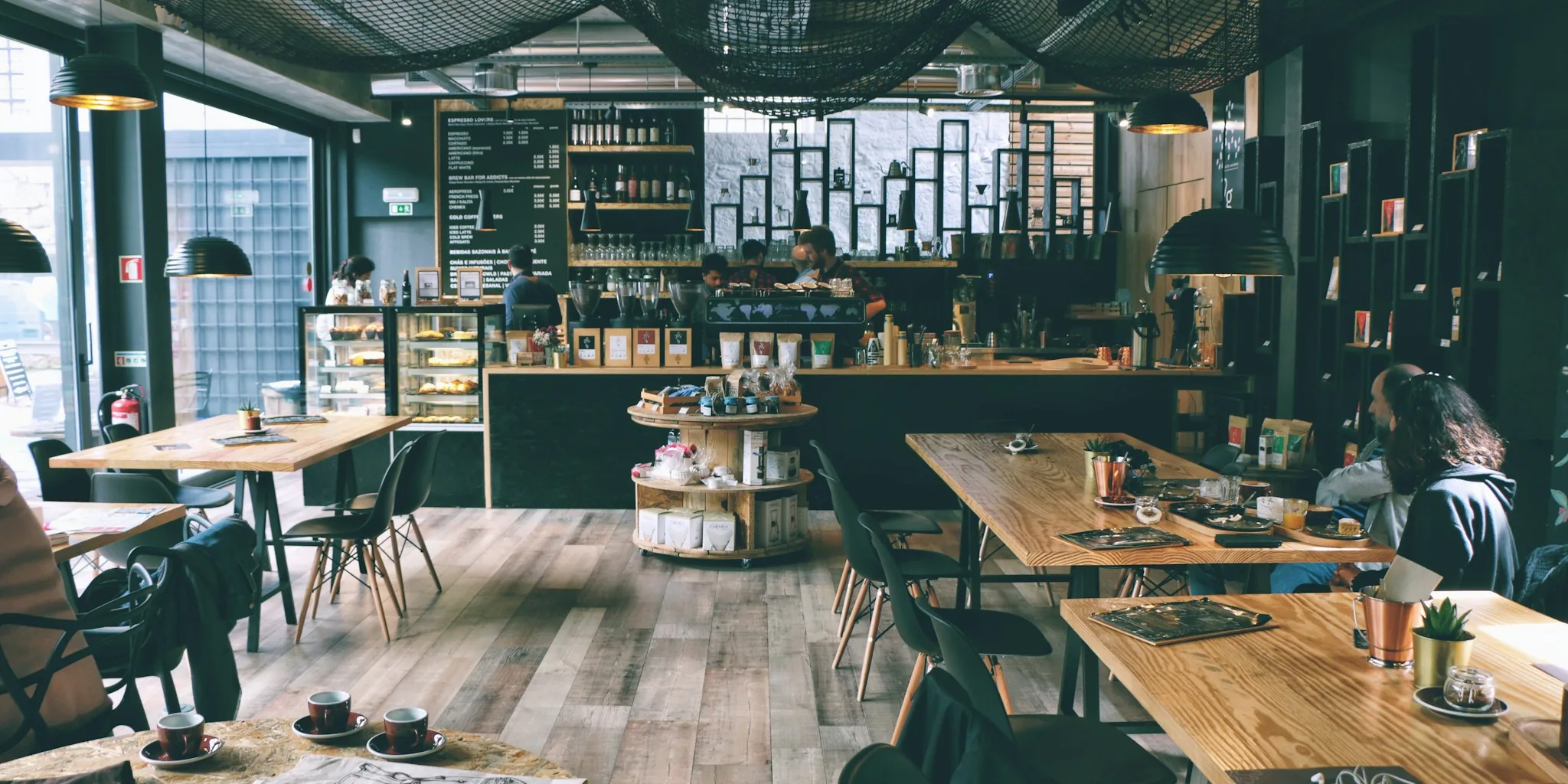

Shanghai’s coffee market is undergoing a significant transformation, and the ripple effects are reaching coffee drinkers across the United States. A recent report from the U.S. Department of Agriculture Foreign Agricultural Service reveals that one of the world’s largest coffee-consuming cities is moving away from brutal price competition and toward a focus on quality, origin, and craftsmanship. For American consumers, this shift signals important changes in coffee availability and pricing in the months ahead.
The Shanghai Coffee Explosion
Shanghai has become a coffee powerhouse in the past few years. The city now hosts more than 10,300 coffee shops, up from just over 6,000 in 2021. Specialty coffee shops make up 18 percent of that total. On a per-capita basis, Shanghai residents consume 106 cups of coffee annually, compared with the national Chinese average of just 29 cups. This explosive growth has created intense competition and, until recently, a race to the bottom on pricing.
From 2023 through 2024, major Chinese chains engaged in aggressive promotional campaigns, slashing prices to less than $1.50 per drink through constant coupon offers. However, that dynamic has shifted dramatically since 2025. Low-cost sellers have pulled back on steep discounts, while specialty shops and higher-priced chains have maintained their market positions. The change reflects a broader consumer preference for quality coffee beans and products differentiated by origin and preparation method rather than just price alone.
China’s Growing Appetite for Premium Green Coffee
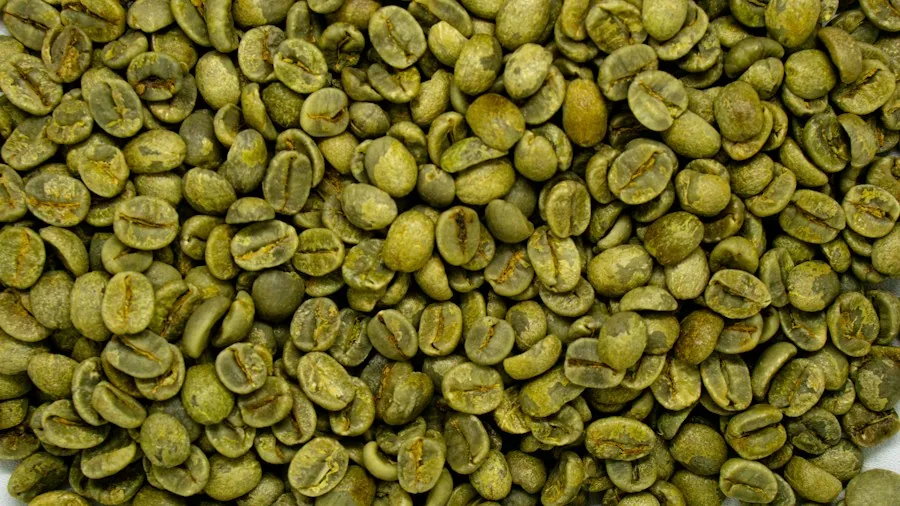
The quality shift in Shanghai is driving upstream changes in the global coffee supply chain. China imported 181,243 metric tons of unroasted, or green, coffee worth $837 million in 2024. That represents a 218 percent increase from imports just four years earlier. Coffee-producing nations, including Brazil, Colombia, Ethiopia, and Vietnam, are ramping up shipments to meet Chinese demand.
What makes this particularly notable is China’s newfound interest in traceable, single-origin arabica coffees. This preference is fundamentally different from the commodity-grade coffee that dominated Chinese imports in the past. Coffee producers are responding by establishing new trade relationships and supply chains specifically designed to serve China’s quality-focused consumers.
Ethiopia’s coffee exports to China jumped 264 percent in the 2024/25 market year, making China the country’s third-largest coffee destination. Just a decade ago, China ranked 17th as a destination for Ethiopian coffee. Brazil, another major coffee supplier, has also dramatically expanded its relationship with China through new trade agreements and major purchase commitments.
Infrastructure Investments Signal Long Term Shift
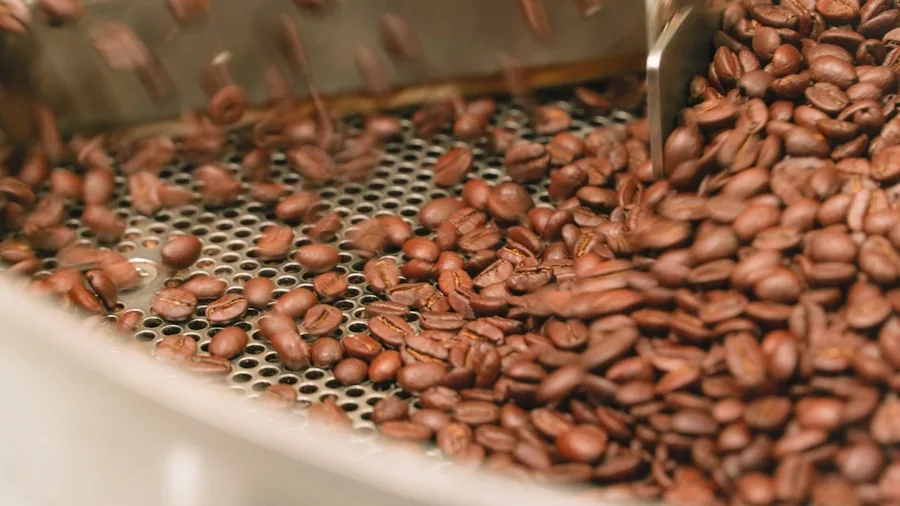
The infrastructure boom around Shanghai demonstrates that this quality-focused trend is here to stay. About 25 miles west of Shanghai, the city of Kunshan has emerged as a roasting and logistics hub. The city’s roasted coffee output exceeded 180,000 metric tons in 2025, representing roughly 60 percent of all coffee roasted in China. More than 40 international coffee companies have set up operations there.
Major global players are betting heavily on this market. Starbucks opened a $220 million Coffee Innovation Park in Kunshan in 2023, followed by a $120 million roasting facility from a leading Chinese chain the following year. Even specialized green coffee traders from Europe have established Chinese operations to capture this growing opportunity.
What This Means for US Coffee Buyers
The shift in Shanghai has direct implications for American coffee consumers. As China’s enormous consumer base increasingly demands quality, specialty coffees, global competition for premium beans from origins like Ethiopia, Colombia, and Brazil will intensify. This growing competition for limited supplies could push prices upward in North America and Europe, where specialty coffee has long been established.
On the positive side, increased global interest in high-quality, single-origin coffees should encourage more coffee producers worldwide to invest in quality standards and traceability. That benefits consumers everywhere who seek premium organic and specialty options. Additionally, as roasting and logistics infrastructure expands globally, efficiency improvements may help offset some price pressures.
The Port of Shanghai now handles 28 percent of the value of China’s green coffee imports, with Shanghai and the surrounding Jiangsu province accounting for 52 percent. This concentration means that supply chain decisions made in this region will increasingly affect coffee availability and pricing worldwide.
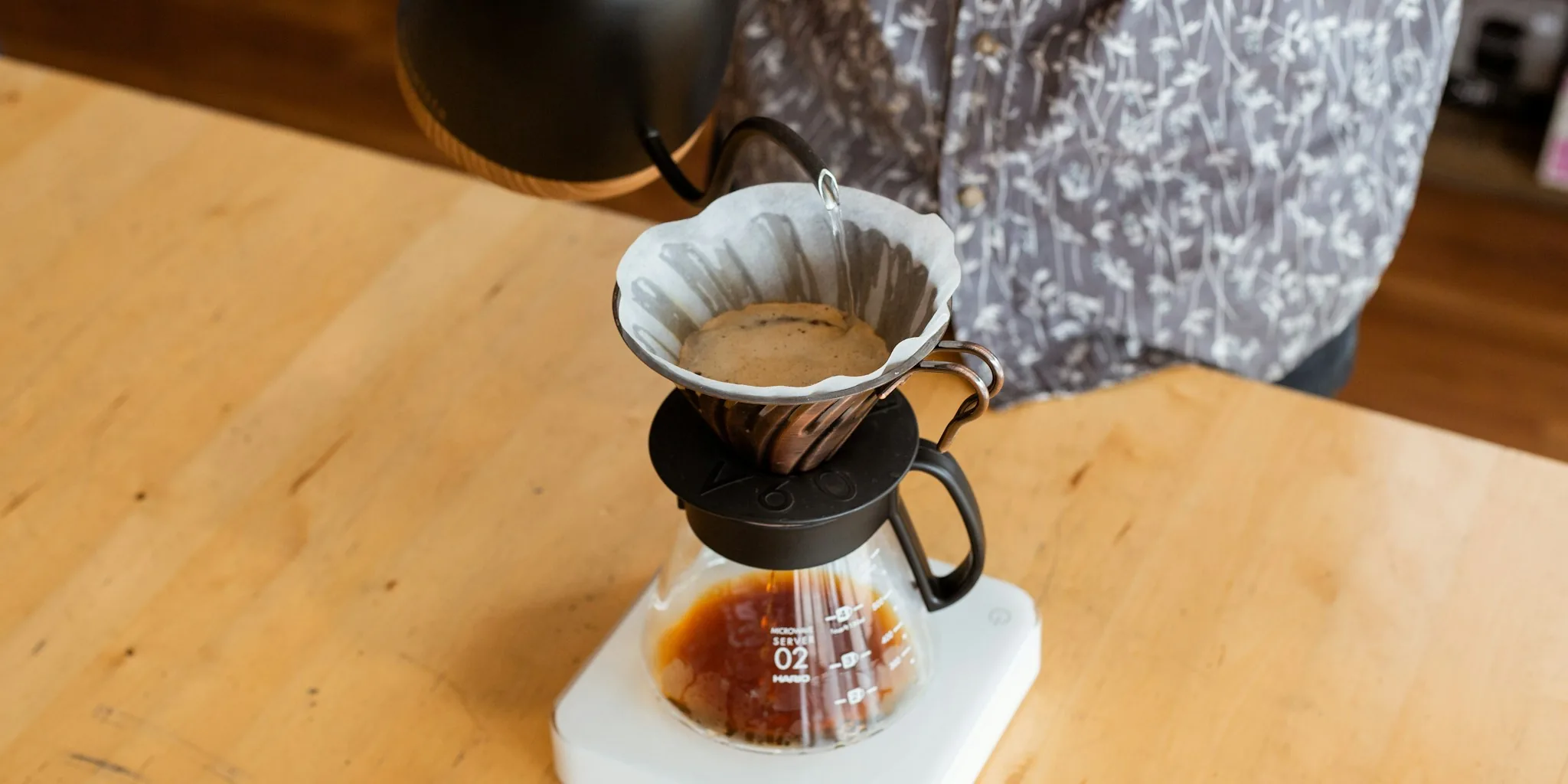
For US coffee enthusiasts, the takeaway is clear: stay aware of specialty coffee options and consider investing in quality brewing equipment to maximize the value of premium beans. The global coffee market is becoming more sophisticated, and informed shoppers who understand origin and quality will make better purchasing decisions.





Write Your Review
No reviews yet. Be the first to share your experience!