

Conventional wisdom suggests a beautiful garden requires constant effort and attention. But a growing number of gardeners are discovering that some of the most striking perennials actually thrive when you stop fussing over them. The trend toward minimal maintenance landscaping isn’t just easier on your back, it’s also better for local wildlife and can result in a more visually interesting garden overall.
Why Leaving Perennials Alone Works
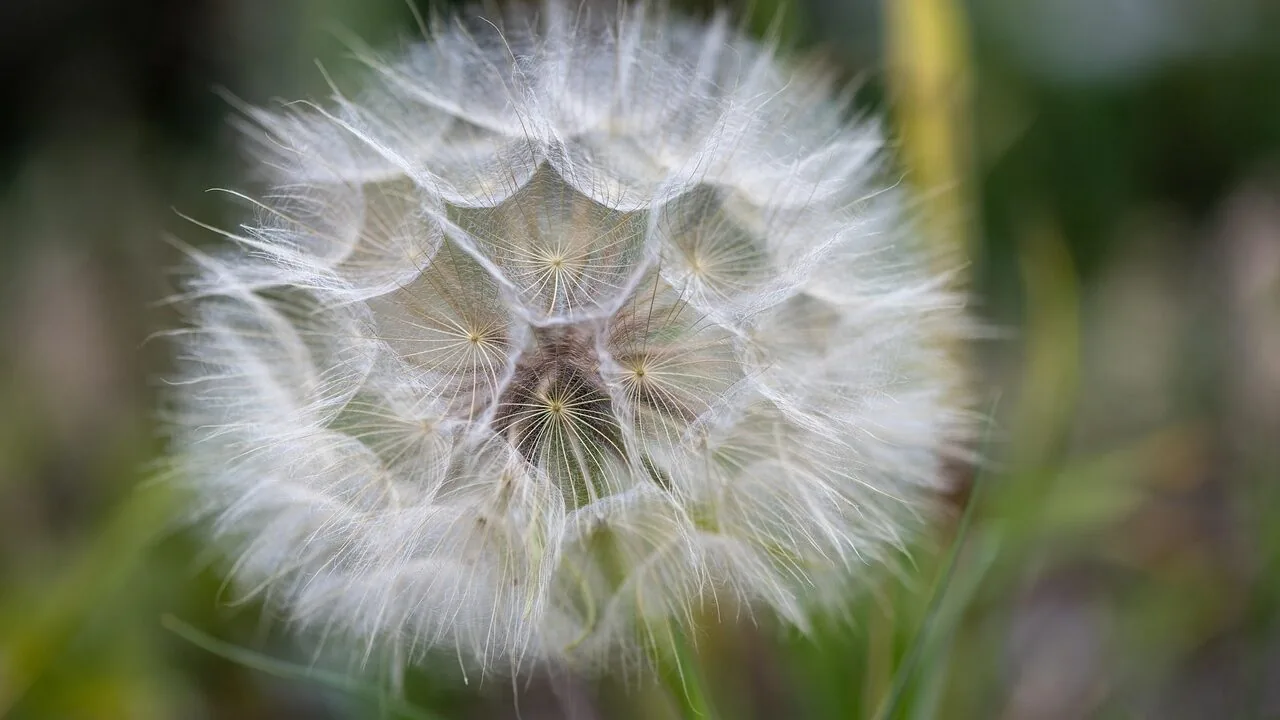
The instinct to deadhead flowers and cut back dying foliage the moment blooms fade is deeply ingrained in traditional gardening. However, allowing perennials to complete their full lifecycle naturally transforms the border in unexpected ways. As flowers fade, seedheads become sculptural elements that catch light and cast interesting shadows. Remaining stems add movement and texture, creating what many gardeners describe as a cottage garden aesthetic that feels both abundant and intentional.
Beyond aesthetics, this approach provides real benefits for your local ecosystem. Dried flowers and seedheads offer crucial food sources for birds and insects throughout fall and winter. Stems and foliage create shelter and nesting materials. The environmental advantage of doing less work while supporting wildlife is a compelling reason to reconsider your tidying habits.
Six Perennials Worth the Experiment
Alliums
These dramatic flowering plants are perhaps the easiest entry point for gardeners looking to break the deadheading habit. While the purple globular flowers are lovely during their peak bloom, the dried seedheads are equally striking. Leave them standing among grasses and other companions, where they’ll hover like delicate skeletons for weeks, catching morning and evening light beautifully. Their structural presence becomes increasingly valuable as summer fades and early bloomers disappear. Consider varieties like Nevskianum for unusual red tones or Globemaster for deep purple intensity.
Agapanthus
These blue or white flowering perennials reward patience through their entire performance cycle. Rather than removing the plant once petals drop, watch as the seedheads gradually dry into architectural forms that rival fresh flower arrangements. There’s genuine satisfaction in allowing a plant to complete its natural progression rather than treating the end of bloom time as a signal to reach for the pruners.
Coneflowers
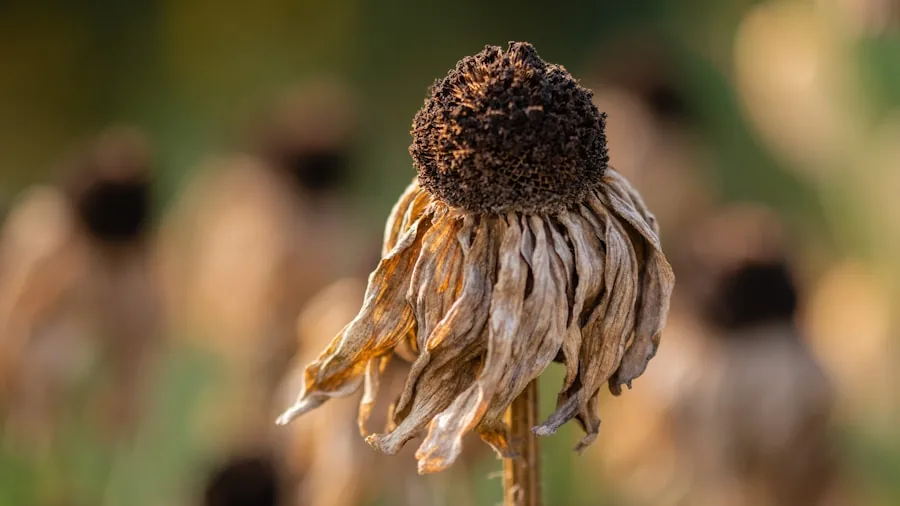
Coneflowers seem almost designed for the minimal maintenance approach. The petals may fade, but the prominent central cones persist, giving the plant an entirely different character. Leave them standing as long as possible, particularly into autumn when their structural qualities shine against the declining border. Beyond visual appeal, these seedheads provide essential food for migrating birds. Quality pruners become less necessary when you’re working with coneflowers since you’ll rarely need to cut them back.
Salvia
Salvias epitomize the plant-it-and-forget-it approach to gardening. Once established, they flower prolifically without demanding careful deadheading or constant reshaping. They tolerate neglect remarkably well, filling containers and garden beds with abundant blooms and lush foliage even when you’re not actively tending them. Let salvia grow a bit unruly, allow it to flop naturally, and the result is far more relaxed than anything you could achieve through rigorous shaping.
Mexican Fleabane
This invasive-in-the-wild perennial thrives in containers where its tendency to spread is contained. Clouds of tiny daisy-like flowers spill over pot edges in the most generous way, making even modest plantings feel abundant. It’s the ultimate low-effort plant, requiring virtually no maintenance while delivering outsized visual rewards. Growing it in containers keeps it manageable and prevents it from spreading to sensitive areas.
Yarrow
Among the longest-blooming perennials available, yarrow becomes more interesting as it ages. The flat-topped flowerheads possess a meadow-like quality during peak bloom, then gradually dry into little architectural platforms above the foliage. Rather than cutting them down when they fade, leave them through fall and even into winter if the look appeals to you. The drying process adds months of visual interest to the border.
Other Candidates for Hands Off Gardening
Bee balm, catmint, Russian sage, and tickseed (Coreopsis) all share the same gloriously unfussy qualities. They produce abundant flowers and movement with minimal hovering required. Russian sage offers silvery foliage and hazy purple blooms, while tickseed brings a cheerful, easygoing character that makes borders feel instantly more established. Bee balm attracts pollinators while adding a pleasantly unruly presence to any garden.
The Real Strategy Here
The ultimate goal of this approach is creating a garden that appears effortlessly abundant, as though you’ve invested far more care and attention than you actually have. By selecting perennials that thrive on benign neglect and allowing them to complete their natural cycles, you achieve a more interesting landscape while spending less time with hoses and hand tools. This strategy proves that beautiful gardens don’t require back breaking labor, just smart plant selection and the willingness to let nature take its course.



Write Your Review
No reviews yet. Be the first to share your experience!