

The Shift in How Americans Drink Coffee
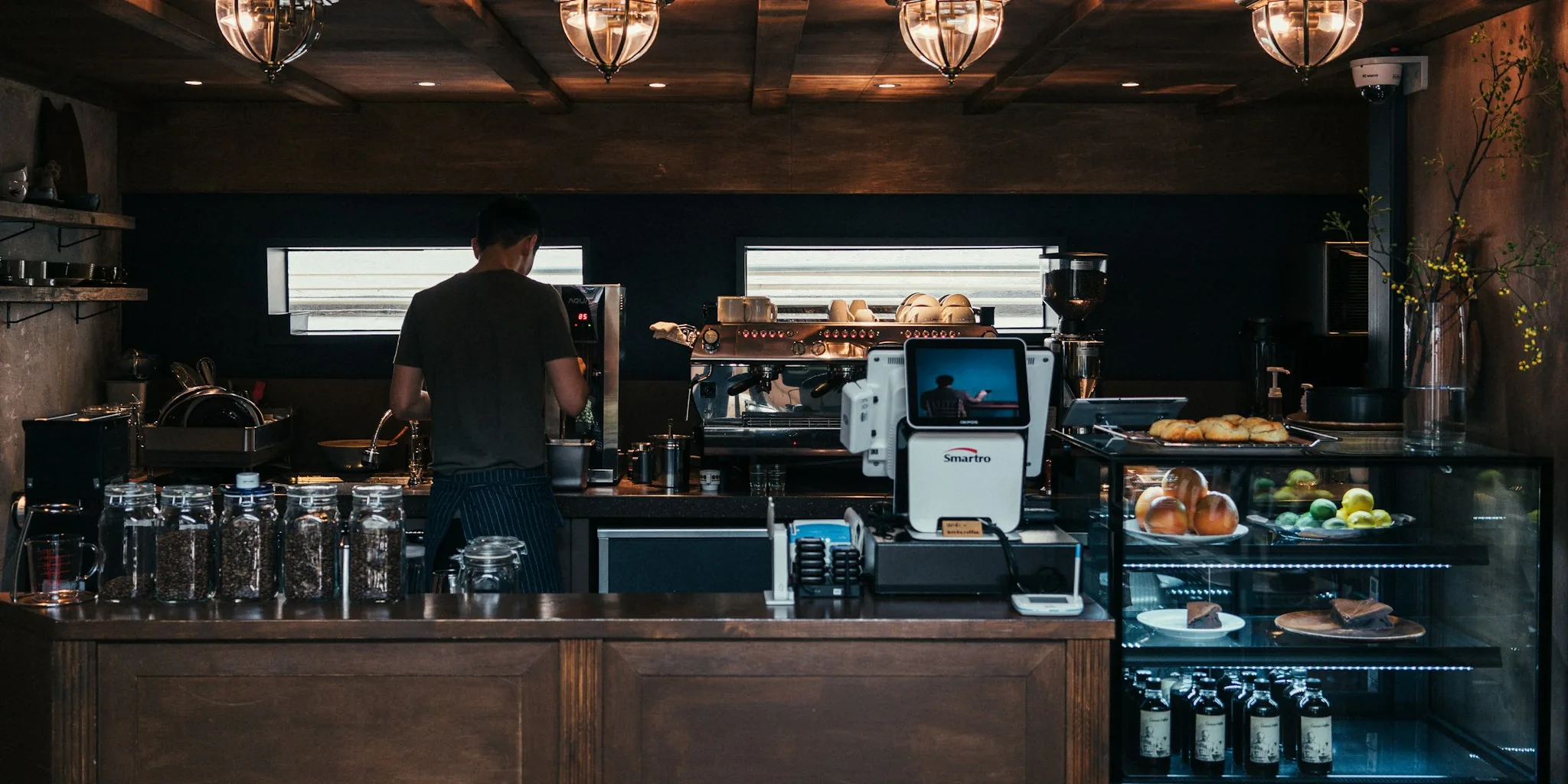
Recent consumer research reveals a significant shift in American coffee habits. While the overall percentage of adults drinking coffee daily remained flat at 66 percent, the way people are consuming coffee and where they purchase it has transformed dramatically. Nearly half of all U.S. adults now report consuming specialty coffee on a daily basis, marking a clear preference shift toward premium and craft beverage options.
The specialty coffee category encompasses a wide range of products, from espresso-based drinks and cold brew to frozen blended beverages and nitro coffee. What defines specialty coffee is the perception of premium quality and craftsmanship, rather than traditional basic drip coffee. This growing segment now rivals traditional coffee consumption when measured across a full week, signaling a major market transition that shoppers should understand when making purchasing decisions.
Espresso Drinks Lead the Specialty Coffee Movement
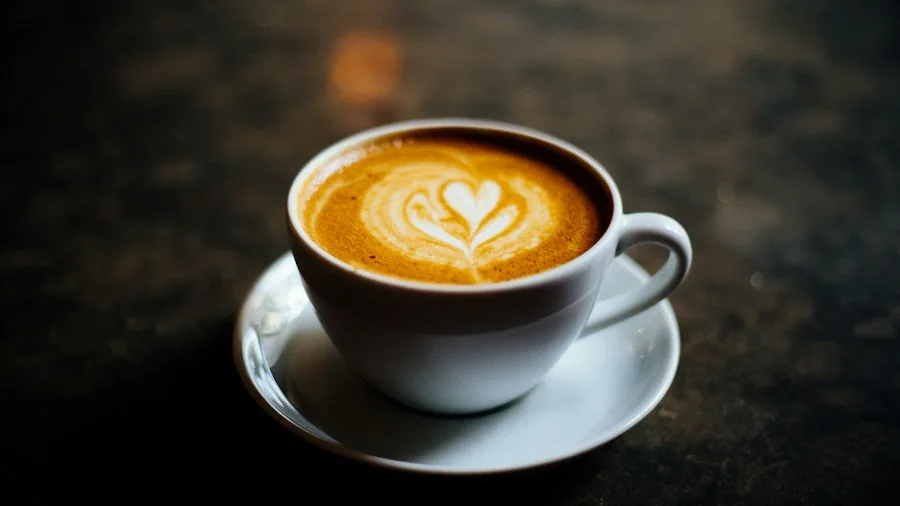
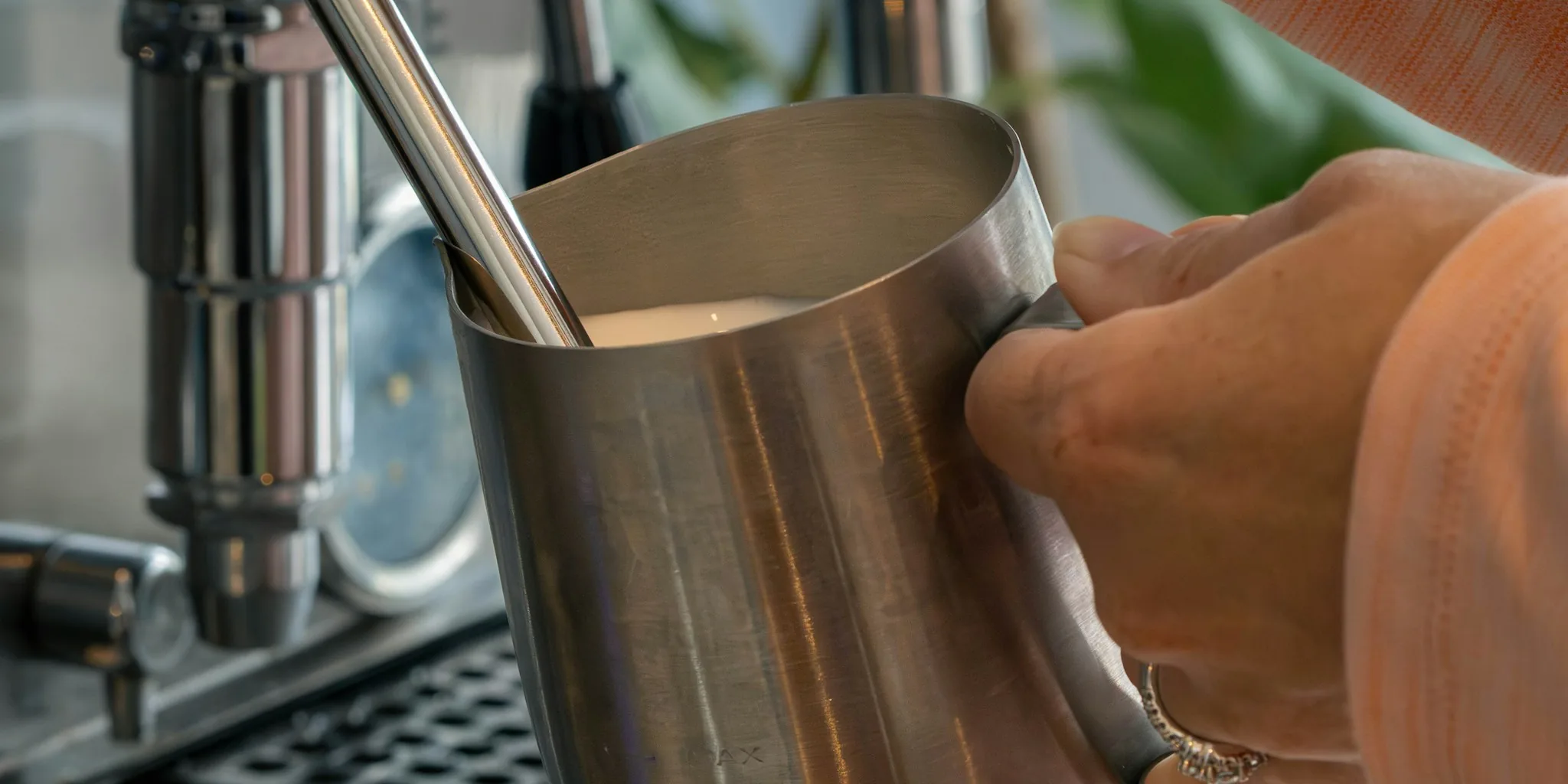
Espresso-based beverages are driving most of the growth in specialty coffee consumption. A record 47 percent of American adults consumed an espresso drink within the past week, representing steady growth from 45 percent just six months earlier and 40 percent in 2022. Lattes and straight espresso shots tied for the most popular choices at 20 percent each, followed by cappuccinos at 17 percent and cafe mochas at 13 percent.
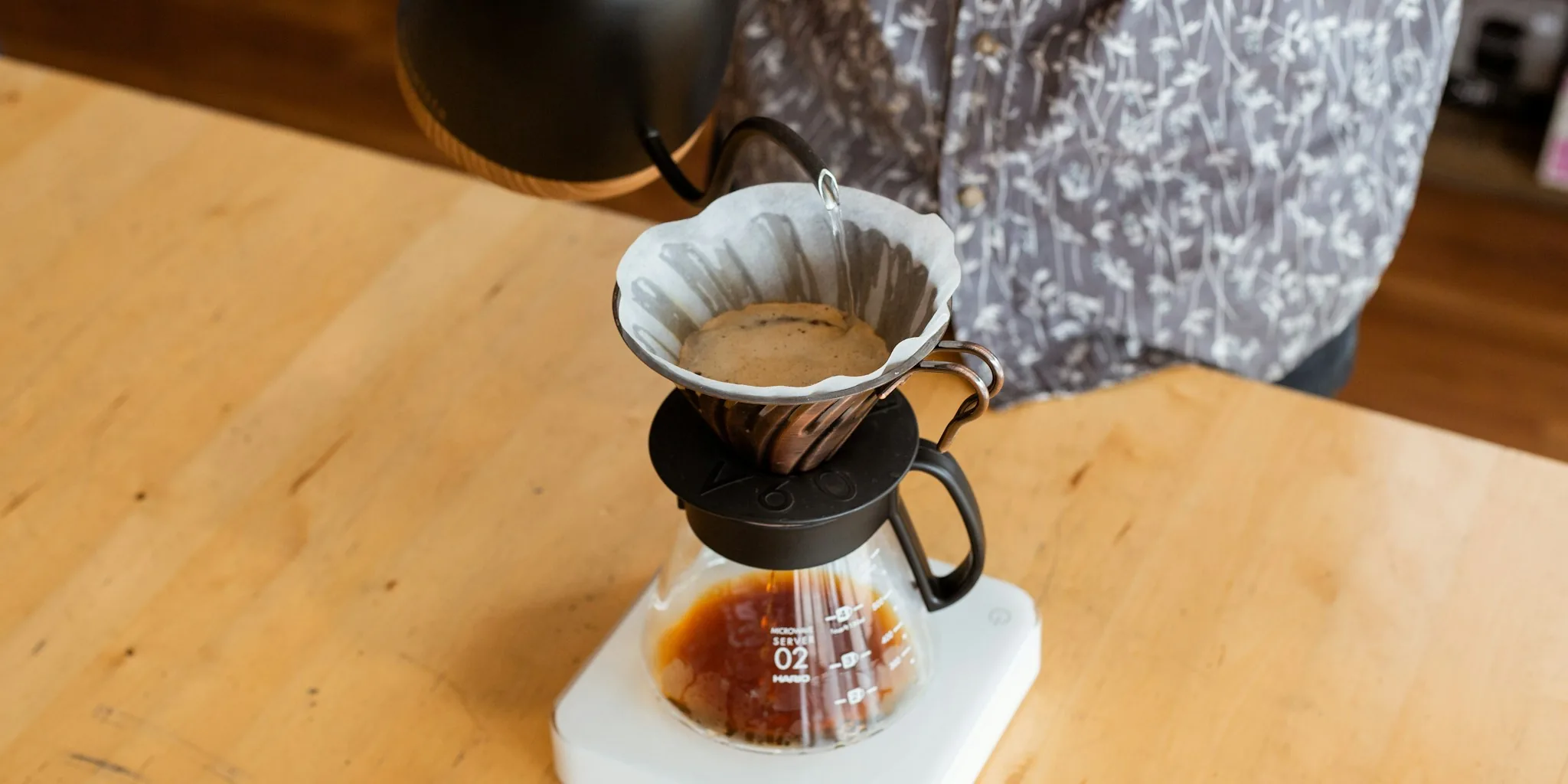
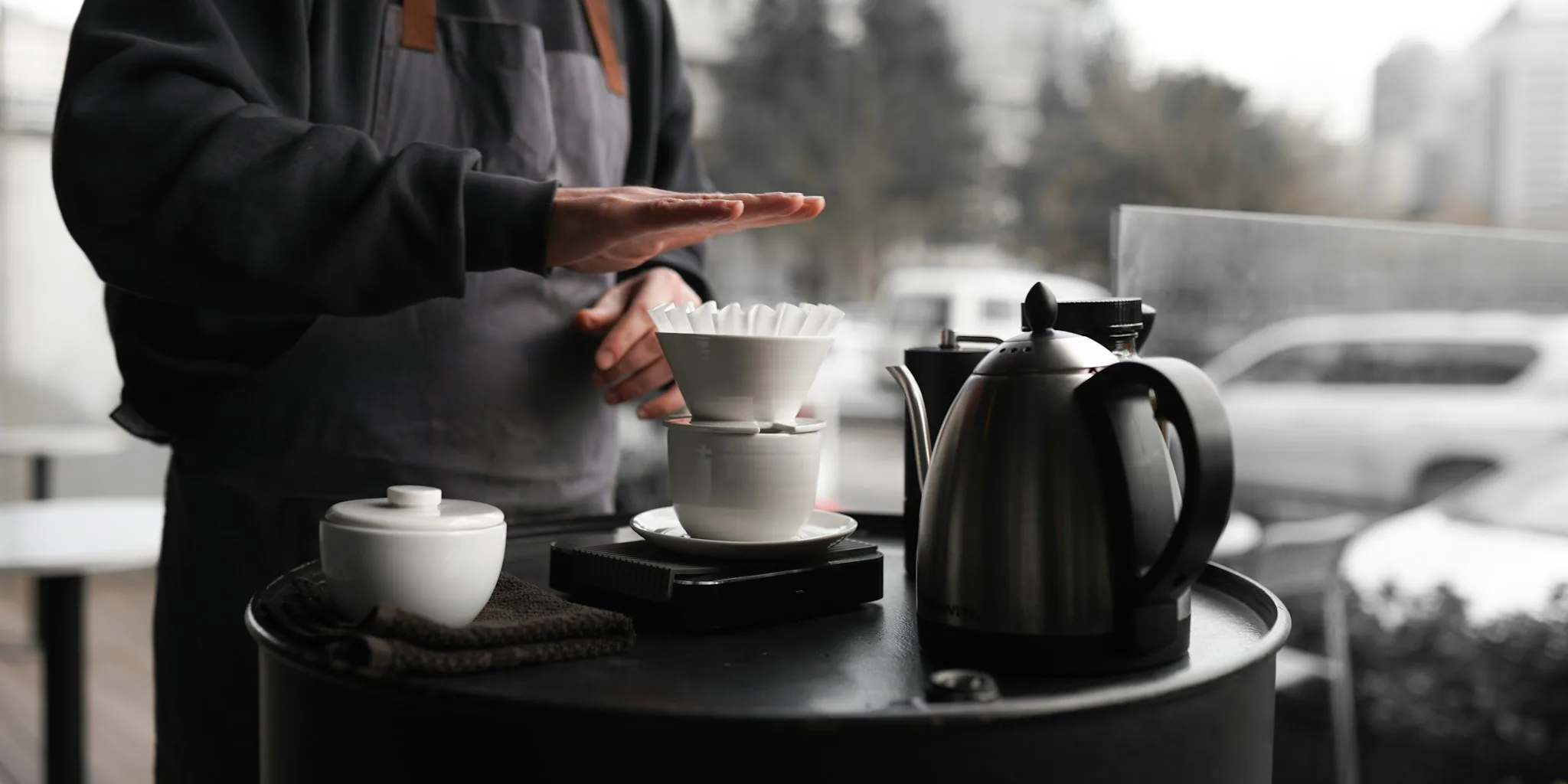
For shoppers interested in recreating these drinks at home, understanding the equipment and techniques involved makes a significant difference. Those seeking to prepare quality espresso-based beverages should explore the best pour over coffee makers for home brewers in 2026, which can complement an espresso setup for versatile brewing options.
Out-of-Home Consumption Reaches Pre-Pandemic Heights
One of the most notable findings involves where Americans are buying their coffee. Among daily coffee drinkers, 38 percent consumed their beverage outside the home, marking the highest level recorded since January 2020, just before pandemic lockdowns reshaped consumer behavior. This recovery signals strong consumer confidence in returning to coffee shops and similar venues for their daily caffeine needs.
Within this out-of-home segment, drive-through service remains the dominant channel at 55 percent of purchases. However, the fastest-growing trend involves mobile app ordering, which surged to a record 40 percent, up from 36 percent just one year prior. This shift reflects broader changes in consumer expectations around convenience and digital ordering capabilities at retail locations.
Cold Coffee Claims Growing Market Share
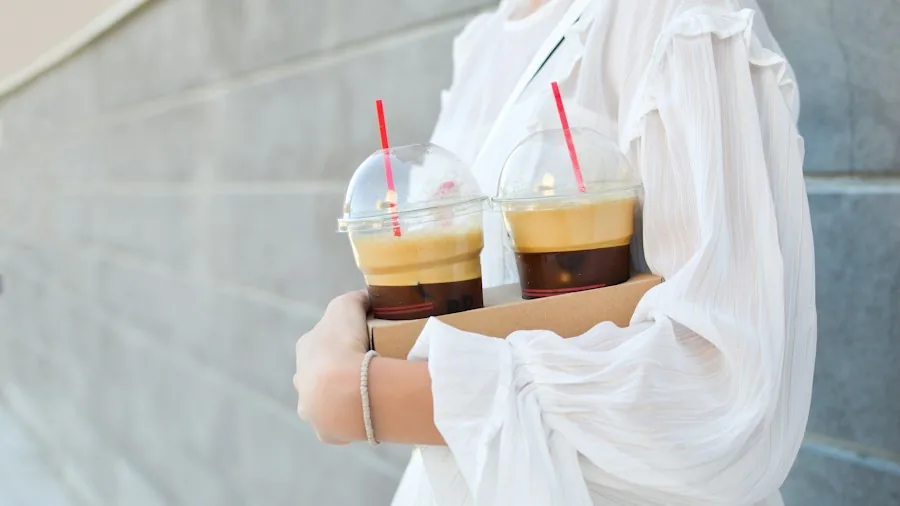
Seasonal shifts in coffee consumption continue to influence overall trends. Cold or iced coffee accounted for 21 percent of all coffee consumed in the past day during the summer measurement period, up from 17 percent during winter months. Cold brew specifically reached 21 percent past-week consumption, while frozen blended coffee drinks hit 18 percent, demonstrating sustained interest in chilled options beyond just hot summer weather.
For shoppers purchasing cold brew at home, quality storage containers and the best coffee mugs for every budget and style in 2026 become essential investments for enjoying these beverages throughout the day.
Retail Channel Changes Reshape Shopping Patterns
How consumers purchase coffee for home brewing has also shifted noticeably. Grocery stores remain the primary shopping channel but declined to 35 percent from 42 percent, indicating that shoppers are diversifying where they buy coffee. Mass merchandise retailers like big-box stores gained significant ground, climbing to 28 percent from 23 percent in just six months. This transition suggests consumers are increasingly comfortable purchasing coffee through larger retail formats, possibly due to pricing, selection, or convenience factors.
The average coffee drinker reported consuming 2.6 cups per day, down slightly from 2.8 cups in earlier measurements, suggesting either more mindful consumption patterns or different tracking methods among participants. Automatic drip machines continued as the leading home preparation method at 38 percent, followed by single-cup brewers at 22 percent and ready-to-drink options at 17 percent.
What This Means for Your Coffee Purchases
These trends offer practical guidance for shoppers making coffee decisions. If you frequently purchase beverages outside the home, expect mobile app ordering to become increasingly available and refined at your favorite coffee retailers. The growing preference for specialty options suggests investing in quality home brewing equipment could deliver better value than daily out-of-home purchases.
For commuters and frequent travelers, the best travel coffee mugs for commuters and road trips provide both functionality and style for enjoying specialty coffee on the go. Understanding these market shifts helps shoppers align their purchasing habits with the broader movement toward premium coffee experiences, whether at home or away.
Write Your Review
No reviews yet. Be the first to share your experience!