
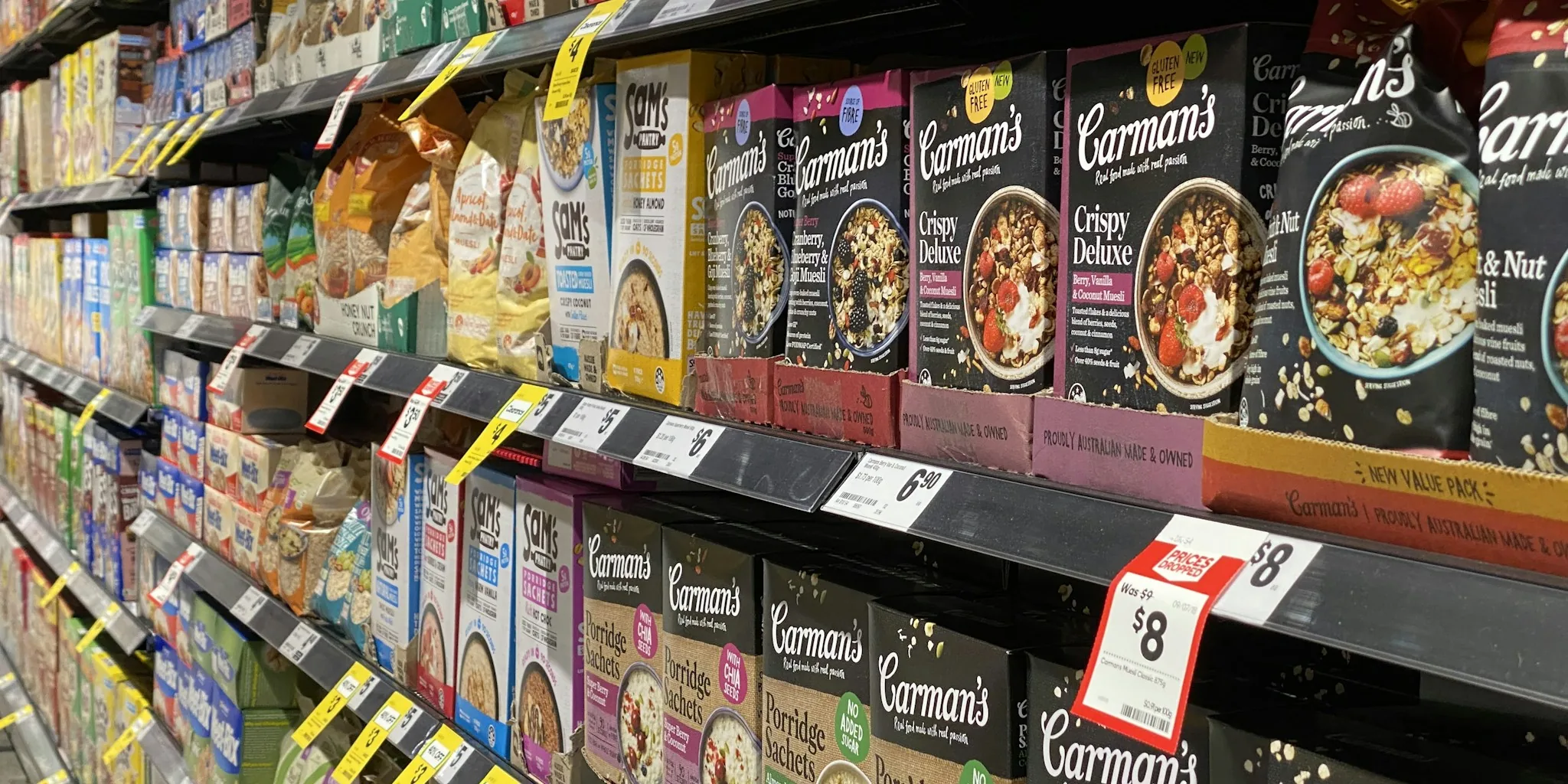

A significant gap has long plagued the coffee industry: while about 40% of consumers claim they want to purchase ethically sourced products, only around 4% actually do so at checkout. A new study from Canadian business researchers reveals why this disconnect exists and offers a surprisingly simple solution that could reshape how ethically produced coffee reaches your kitchen.
The Price Problem That Stops Ethical Purchases
The barrier keeping shoppers from making ethical coffee choices is straightforward: cost. Ethically certified coffee typically costs 20% to 220% more than conventional options, creating what researchers call the “pain of payment.” This is that immediate, uncomfortable feeling you get when you see a higher price tag, especially when the benefit primarily helps someone else rather than yourself.
According to research published in the Journal of Business Ethics, that moment of sticker shock at the store shelf is powerful enough to override most consumers’ good intentions. Even shoppers with strong values struggle when faced with a noticeably higher price. The psychological weight of paying more right now, in your wallet, feels heavier than the abstract benefit of supporting fair farming practices.
Reframing the Premium: A Quantity Solution
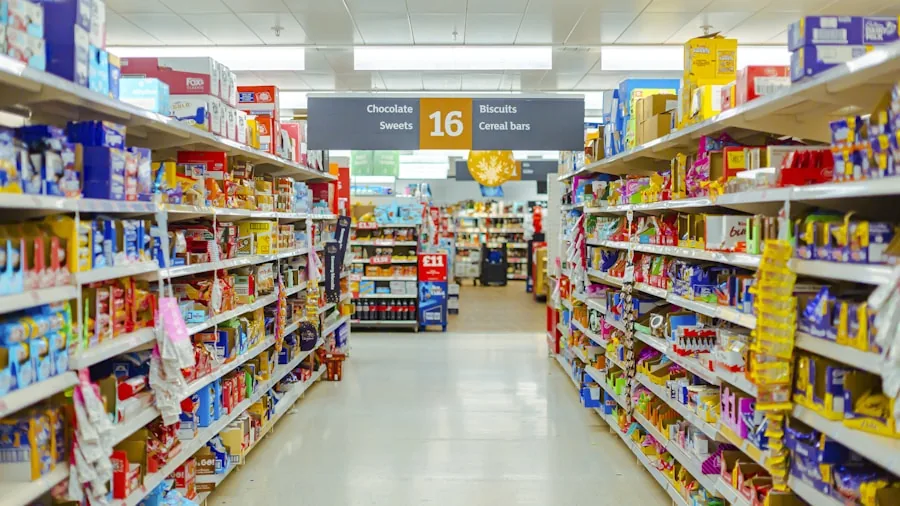
Rather than continuing to ask consumers to accept higher prices, researchers propose flipping the equation. Instead of marking up the shelf price, reduce the quantity while keeping the price the same as the conventional option.
The study tested this approach across six experiments involving more than 2,300 participants in the Netherlands, the United States, and Canada. In one key U.S. trial with 587 participants, researchers presented two choices: a conventional 12.2-ounce bag priced at $4.95 and a Fairtrade-certified version. When the ethical option was marked at $6.05 for the same size, only 49.2% of shoppers chose it. However, when the Fairtrade bag was reduced to 10 ounces and priced at the identical $4.95 shelf price, selection jumped to 60.7%.
“Paying a higher cost hurts more than getting a little less,” explained one of the study’s co-authors. “When the shelf price is the same, shoppers don’t feel penalized for doing the right thing.” The psychological difference is striking: people view quantity reduction as less painful than a price increase, even though the per-ounce cost is actually higher in both cases.
Transparency Separates This Strategy From Shrinkflation
You might worry this approach sounds like shrinkflation, the controversial practice of quietly reducing package sizes while hiding the change from consumers. The research team was careful to distinguish their proposal from that deceptive tactic.
Their strategy relies on full transparency. Unit prices, quantities, and retail prices are all clearly displayed side by side so you can make a direct comparison. The smaller quantity of the ethical option is immediately visible, not disguised through confusing packaging. This allows you to make an informed choice rather than accidentally purchasing less product without realizing it.
The difference matters because you maintain control. You see exactly what you’re getting, understand the trade-off, and can choose ethically produced options without the immediate sting of a higher price tag. This framing actually makes the ethical premium feel like a fair deal rather than a penalty for doing the right thing.
What This Means for Your Coffee Shopping
If retailers adopt this approach, you may soon see ethically certified coffee options presented differently on store shelves. Rather than comparing a $4.95 conventional bag to a $6.05 ethical alternative, you might compare a full-size conventional bag to a slightly smaller ethical option at the matching price point.
Choosing quality coffee involves several decisions, from selecting the right grinder for your brewing style to understanding flavor profiles and sourcing practices. Adding ethical certification to that mix shouldn’t require paying substantially more at checkout.
The research suggests this small reframing could nearly double the percentage of consumers who actually follow through on their ethical purchasing intentions. When you’re not hit with sticker shock at the register, your values and your wallet can align more easily.
Retailers and coffee producers now have evidence that most consumers are willing to support fair-trade practices, provided the financial pain of payment isn’t too acute. By restructuring the premium as a quantity difference rather than a price difference, ethically produced specialty coffee beans can reach more households without requiring shoppers to sacrifice their budgets. The strategy is transparent, psychologically informed, and potentially transformative for how ethically sourced coffee competes in the mainstream market.






Write Your Review
No reviews yet. Be the first to share your experience!