
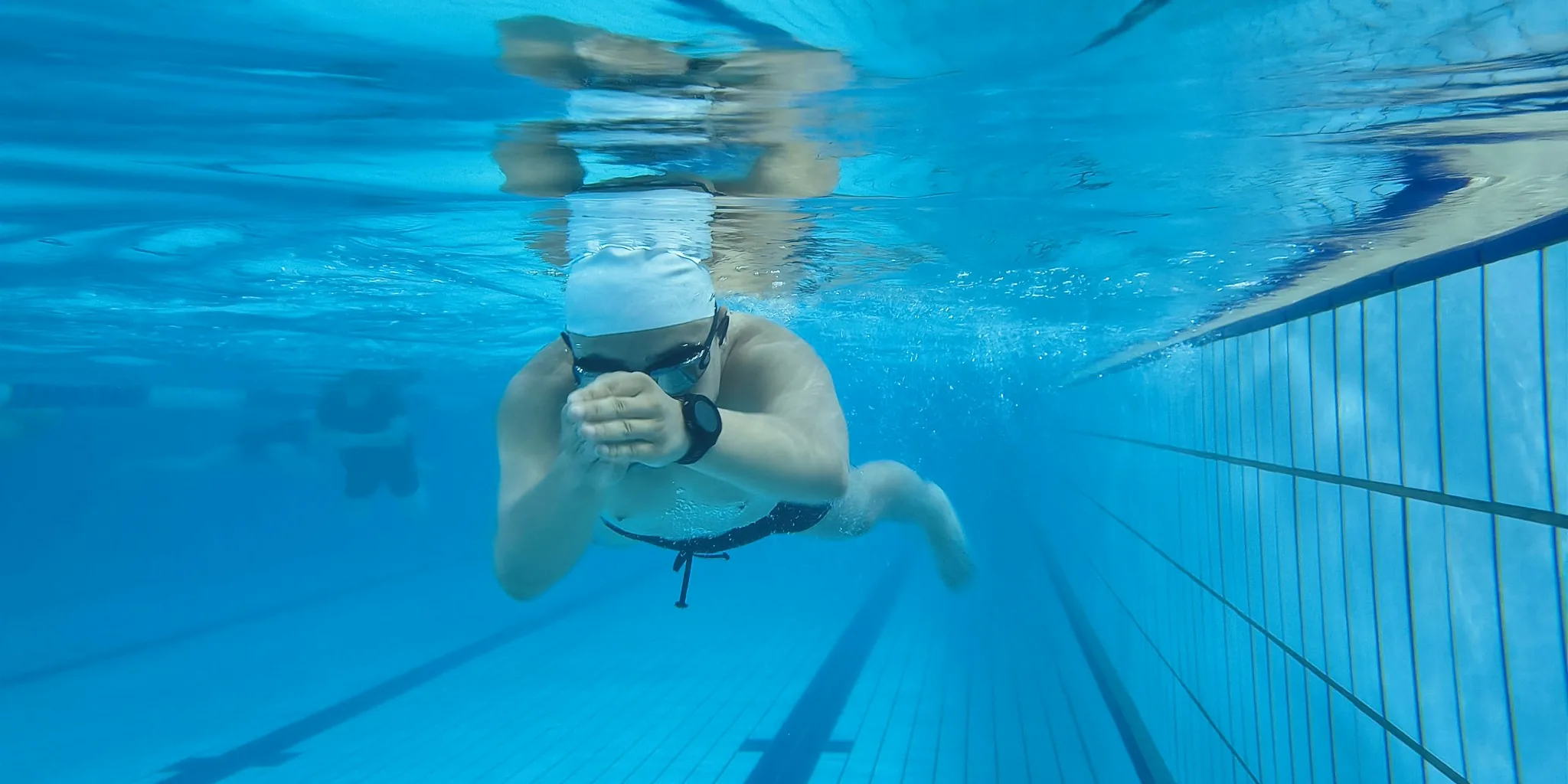

If you’ve ever wondered why you can’t simply wear your everyday headphones in the pool, the answer lies in the fundamental physics of water and how it interacts with audio technology. Swimming headphones represent a distinctly different category of audio device, engineered to overcome challenges that standard headphones simply cannot handle underwater.
The Core Problem: Why Water Breaks Regular Headphones
Water presents two major obstacles for traditional audio devices. First, Bluetooth signals cannot penetrate water, meaning the moment you submerge, your connection to your phone or music player is severed. This alone makes standard headphones impractical for swimmers. Second, regular headphones rely on sound vibrations traveling through air to reach your ears. Water fundamentally changes how sound waves behave, rendering this method nearly ineffective.
How Swimming Headphones Overcome Water Challenges
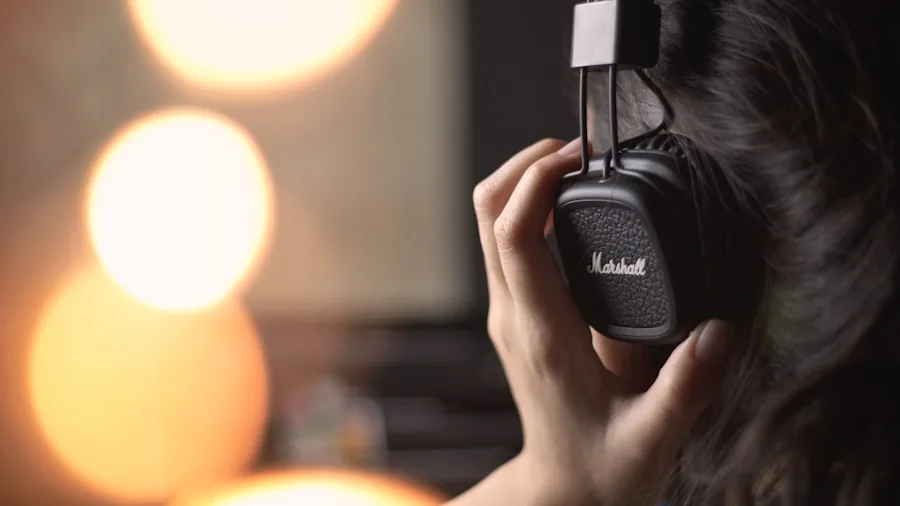
To solve the Bluetooth problem, swimming headphones incorporate built-in storage, a feature rarely found in traditional models. This onboard memory allows you to store music directly on the device, so you can listen without any wireless connection. Combined with the Bluetooth capability many models also offer, this dual approach gives swimmers flexibility both in and out of the water.
The sound conduction solution is equally innovative. Most swimming headphones rely on bone conduction technology, which bypasses traditional ear canal audio entirely. Instead of generating sound vibrations in the air, bone conduction headphones transmit vibrations directly through your cheekbones and skull to your inner ear’s cochlea. This means the headphones rest on your cheekbones rather than sitting inside your ear canal, allowing you to hear music clearly even when submerged. This technology also has a practical safety benefit: because outside noise remains audible, you stay more aware of your surroundings in the water.
Understanding Waterproof Ratings
When shopping for swimming headphones, the IP rating (Ingress Protection) is critical. These ratings typically include two numbers, though some manufacturers list only one. The second number indicates water resistance level, while the first addresses dust protection. Ratings of 6 and below handle only sweat and light rain exposure. For actual swimming, you need an IPX7 or IPX8 rating, which support different depths and durations of submersion.
Sound Quality Considerations for Swimmers
Water creates an occlusion effect against your ears, which naturally amplifies lower frequency sounds to potentially overwhelming levels. Additionally, bone conduction headphones transmit sound through vibration rather than traditional drivers, and because the headphones sit on your cheekbones instead of inside your ears, external noise becomes more prominent during use.
Many swimming headphones address these issues through specialized swimming EQ settings that boost harder-to-hear high frequencies while helping reduce background noise interference. Some models also feature adjustable transducers that you can customize to your comfort level, helping you find the right balance between performance and clarity, much like you’d seek in noise cancelling headphones for everyday use.
The Buzzing Problem and How to Avoid It
Bone conduction’s reliance on vibration can produce unwanted buzzing at higher volumes. Different manufacturers have developed various solutions to minimize this issue. Some allow manual transducer adjustment, while others use strategically angled transducers designed specifically to reduce buzz. If you enjoy listening to music at louder volumes, this is definitely worth researching when comparing models, as buzzing can significantly diminish your listening experience.
Key Features to Prioritize

When selecting swimming headphones, start with the IP rating to ensure adequate waterproofing for your specific needs. Next, consider whether bone conduction suits your hearing preferences and whether the fit feels secure on your cheekbones. For audiophiles, examine the EQ customization options and read reviews about buzzing performance at various volumes. Testing how well the headphones block water from your ears is also important for comfort during extended wear.
Finally, evaluate battery life for both stored music playback and Bluetooth connectivity. Unlike ANC headphones designed for travel, swimming headphones prioritize water resistance and internal storage over wireless range or noise cancellation features.
The Takeaway for Swimmers
Swimming headphones aren’t a gimmick but rather a carefully engineered solution to real technical challenges posed by water. Their built-in storage, bone conduction technology, and specialized waterproofing ratings make them fundamentally different from standard headphones. By understanding these distinctions and knowing what to look for, you can select a pair that delivers reliable performance during your aquatic workouts while keeping your audio experience enjoyable and your surroundings safely audible.






Write Your Review
No reviews yet. Be the first to share your experience!