
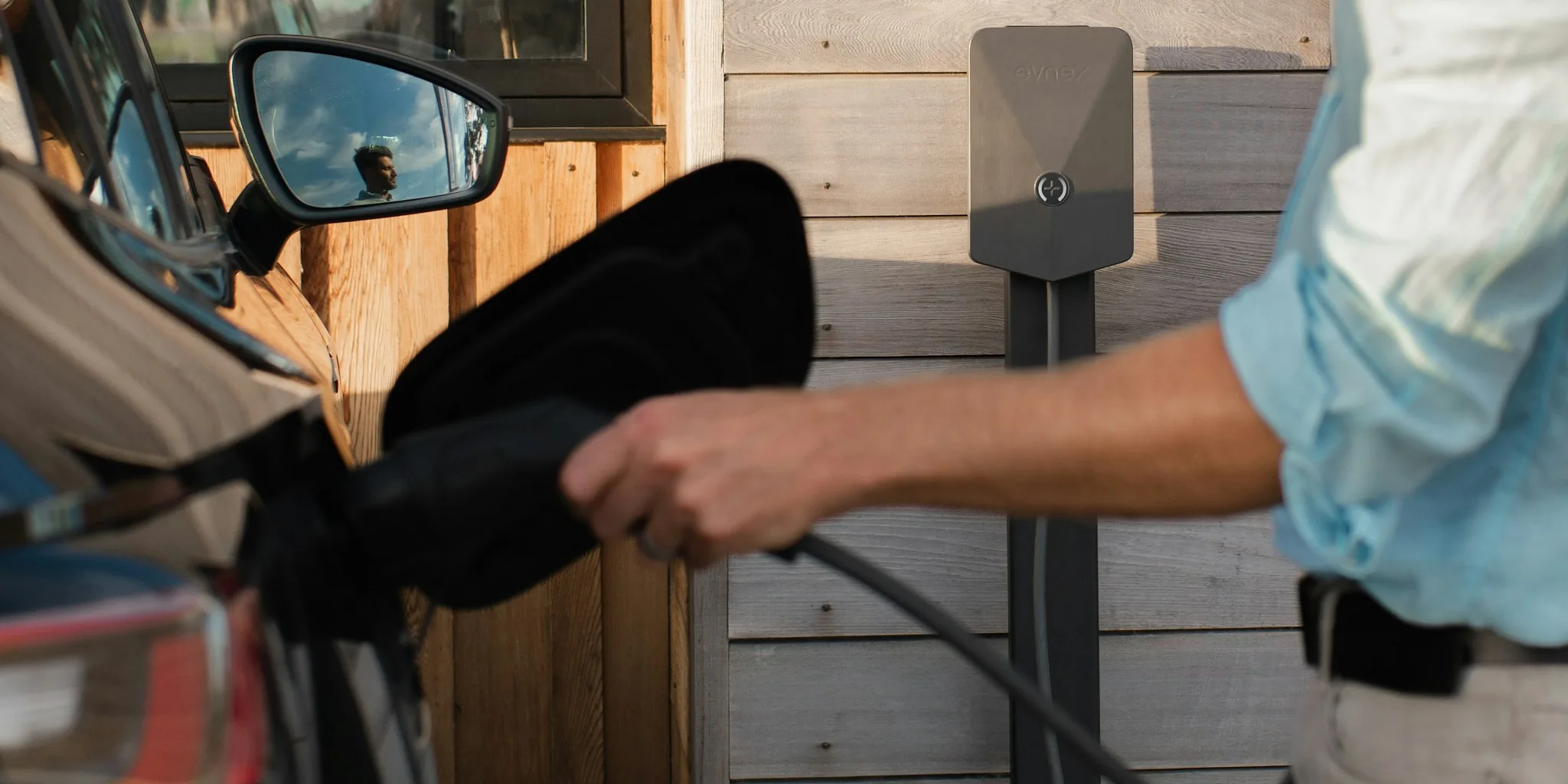

Tesla has just rolled out a significant upgrade to its Model 3 sedan and Model Y SUV: vehicle-to-home (V2H) bidirectional charging capability. This feature, which the Cybertruck already offers, allows these popular EVs to send power back into a home during outages or when the grid needs support. However, potential buyers should understand the requirements and limitations before expecting this technology to work with their vehicle.
Which Tesla Models Get This Feature and When
Starting with vehicles ordered after October 1, both the Model 3 and Model Y can now support home backup power. Some earlier production units also have the capability built in. To determine if a specific vehicle qualifies, owners can check the Powershare Support option under the Software menu’s Additional Vehicle Information screen.
The technology relies on new hardware called the PCS2 Lite inverter, a specialized power conversion system. While the Cybertruck uses a standard PCS2 inverter that can supply power directly to homes, the Model 3 and Model Y take a different approach that requires additional infrastructure on the home side.
Home Setup Requirements and Costs
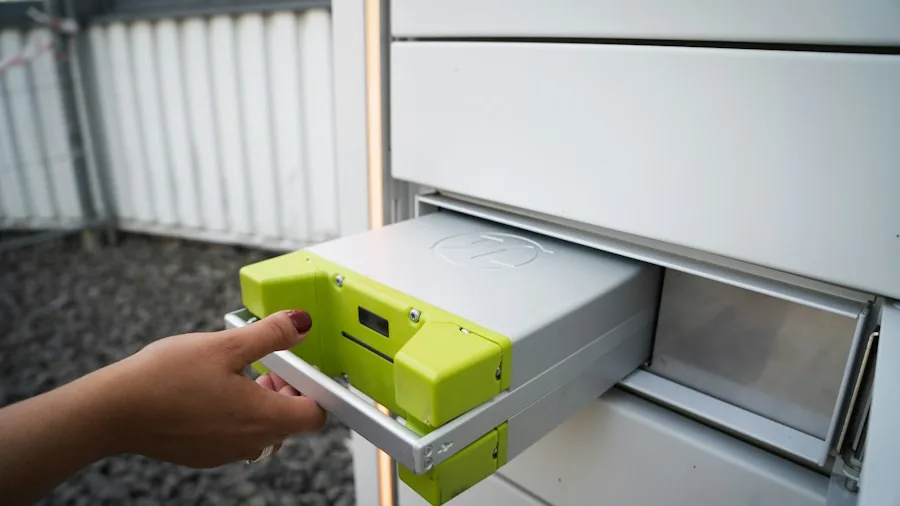
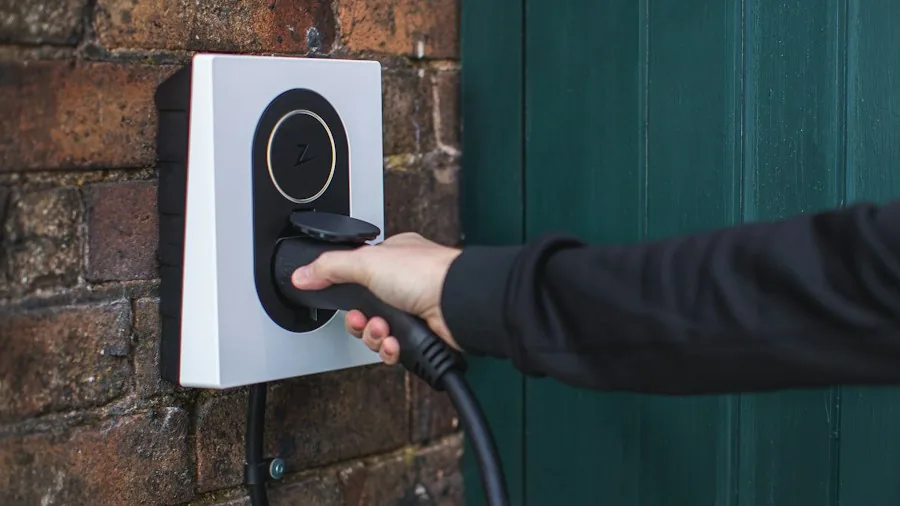
Here is the critical part for shoppers: simply owning a compatible Model 3 or Model Y is not enough. To use V2H bidirectional charging, your home must have a Tesla Powerwall 3 battery system and either a Tesla Universal Wall Connector or a Gen 3 Wall Connector. Support for older Powerwall models is described as coming soon, so current compatibility is limited.
A Powerwall 3 installation typically costs well into five figures depending on your home’s electrical setup and size. This is a substantial investment beyond the cost of the vehicle itself. For shoppers without existing home battery backup, this prerequisite could make the total cost of entry quite high. The trade-off is that you gain a sophisticated two-way energy system: the Powerwall serves as your primary backup battery, while the vehicle acts as a secondary power source that simultaneously supplies electricity to the home and recharges the Powerwall during outages.
How Much Backup Power Can Your EV Provide
The amount of backup power depends on your vehicle’s battery size and charge level. Tesla estimates that a standard Model 3 or Model Y battery pack will extend an average home’s backup by approximately two days. The larger battery packs in Premium and Performance versions offer slightly more than two days of additional runtime. For context, a Cybertruck can provide more than three days of backup power for that same average home.
Maximum power output is 11.5 kilowatts, which is higher than some competitors offer in their V2H systems. This makes the Tesla setup reasonably competitive in terms of power delivery capacity. The system intelligently manages energy flow so you do not need to keep your vehicle tethered to your home indefinitely until power is restored. Once the home battery is depleted, the vehicle takes over while simultaneously recharging the backup battery.
Tesla Catching Up to Competitors
It is worth noting that Tesla is arriving to V2H technology later than several other automakers who have offered this feature for years. Given Tesla’s dominant position in battery and energy storage technology, many observers expected this capability sooner. The company discussed upgrading its electronics to support bidirectional charging at its 2023 investor day, so the development timeline has been somewhat lengthy.
As the EV market evolves, look for more manufacturers to introduce similar technologies. The ability to leverage your vehicle as a power source during grid instability will become increasingly valuable as more drivers recognize its benefits. Upcoming electric vehicles like the Porsche 718 Boxster continue pushing EV capabilities forward across multiple dimensions.
Future Retrofit Possibilities
Owners of older Model 3 and Model Y vehicles may eventually have options. Tesla’s service documentation includes draft procedures for upgrading Model Y vehicles from older PCS1 hardware to the new PCS2 Lite system. Whether Tesla will offer this retrofit to customers, and whether it applies to Model 3 as well, remains uncertain. This could be good news for early EV adopters hoping to add this feature to their existing vehicles without purchasing new ones.
For shoppers considering a Model 3 or Model Y, V2H bidirectional charging is now a legitimate feature to evaluate. If you already have a Powerwall or are planning to install one, the addition of V2H capability makes the investment more worthwhile. If you do not have home battery backup and are not planning to install one, this feature will remain unavailable regardless of your vehicle’s capabilities. Evaluate your home energy situation and long-term plans before factoring V2H into your purchase decision.






Write Your Review
No reviews yet. Be the first to share your experience!