

When Tesla unveiled the Roadster 2.0 concept back in 2017, thousands of enthusiasts lined up to reserve one. Those early adopters paid between $50,000 and $250,000 to secure their spot on the waiting list for what they thought would be a sleek, curvy electric sports car with a targa top reminiscent of the original model. Nearly nine years later, the car finally arrived at its official reveal, but many reservation holders got a shock: the design bears almost no resemblance to what they signed up for all those years ago.
A Radical Redesign That Divides Opinions
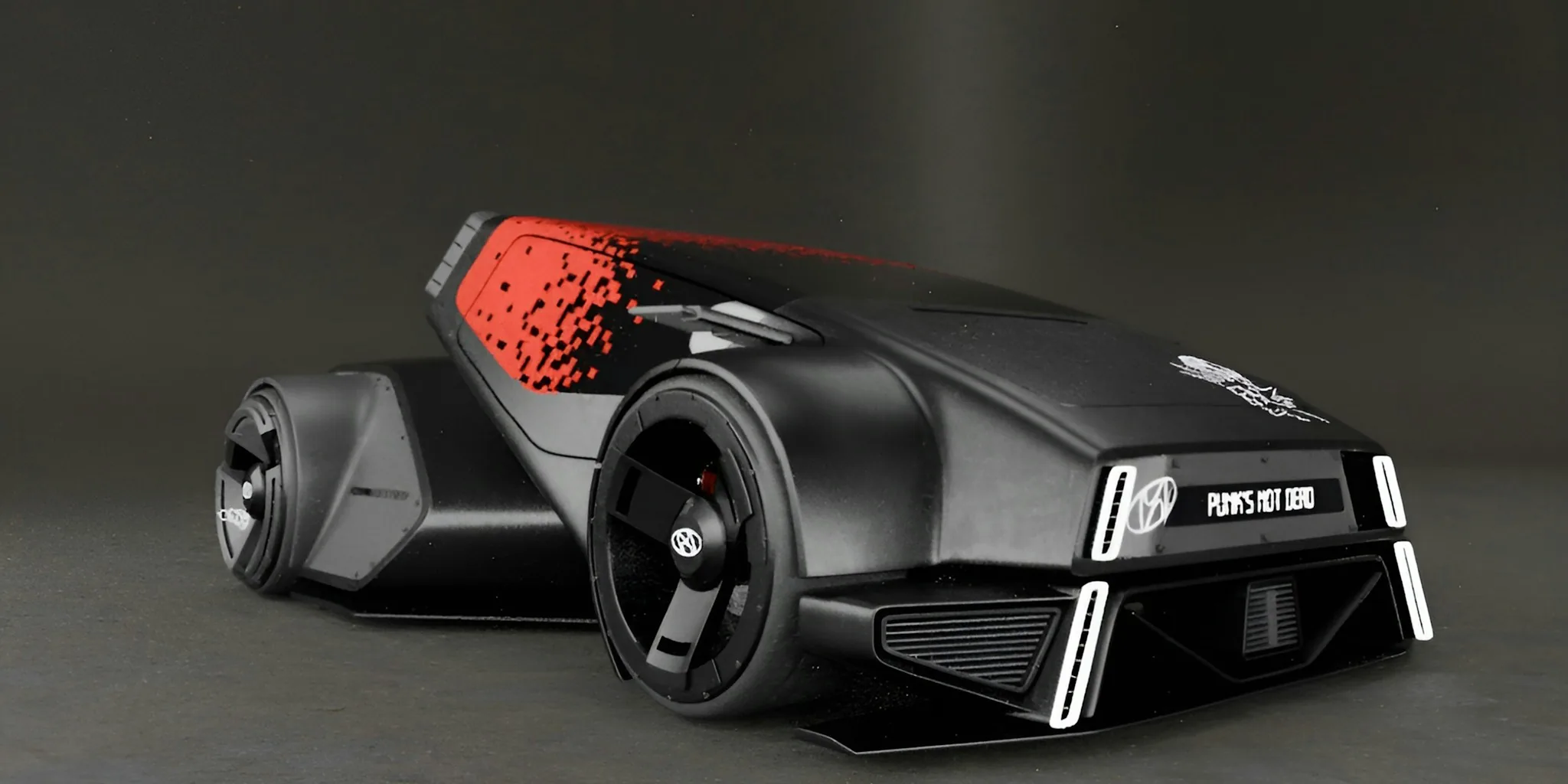
The transformation is undeniable. The 2017 concept featured a sharp front end inspired by the Acura NSX, flowing backward into a compact, curved body. The new 2024 model abandons that entire aesthetic for something dramatically different. Tesla ditched the softness and curves in favor of angular, geometric shapes borrowed from the Cybertruck design language. Gone is the targa top; the new Roadster comes with a fixed roof and butterfly doors. Even more striking is the new front end that recesses to reveal the headlights, combined with a tall rear section that doubles as an active spoiler.
Tesla drew inspiration from military aircraft for this latest iteration, specifically the Lockheed SR-71 Blackbird and the F-35 fighter jet. That direction makes sense given recent videos showing the Roadster’s ability to perform aerial stunts thanks to its revolutionary thruster technology. The white paint finish also bears an uncanny resemblance to the iconic Lotus Esprit S1 from the James Bond film The Spy Who Loved Me, adding to the vehicle’s futuristic appeal.
What This Means for Buyers
For shoppers evaluating the new Roadster, this redesign presents both challenges and opportunities. On one hand, the dramatic overhaul means potential buyers get a car that reflects Tesla’s current design philosophy rather than a dated concept from nearly a decade ago. The new angular approach may appeal to those who love the bold, polarizing look of the Cybertruck. However, anyone who fell in love with the original concept’s sleeker proportions may feel disappointed.
The extended development timeline also raises questions about value and delivery expectations. Reservation holders who paid substantial deposits years ago will finally receive their cars, but the product differs significantly from the marketing materials they saw. This kind of shift, while understandable given how much automotive design and technology evolved over nine years, can create buyer’s remorse for some customers.
Early buyers should understand what they’re actually purchasing. If you’re considering the new Roadster, you’re getting a futuristic-looking electric supercar designed to match Tesla’s current corporate identity, not the concept car from 2017. The vehicle’s performance capabilities, including those attention-grabbing aerial demonstrations, should be the primary focus for most shoppers. To ensure your next car purchase doesn’t catch you off guard, consider investing in high-quality charging solutions for road trips and daily use.
Performance Over Aesthetics
Beyond the visual transformation, the new Roadster represents a major engineering achievement. The thruster technology that allows the car to perform aerial stunts puts it in completely different territory from most electric sports cars on the market. This capability, while perhaps more marketing stunt than practical feature, demonstrates Tesla’s commitment to pushing the boundaries of what an electric vehicle can do.
For buyers evaluating luxury electric sports cars, focusing on real-world performance metrics makes sense. Consider factors like acceleration times, range, charging speed, and the availability of a solid charging infrastructure. Quality audio systems can significantly enhance your driving experience on long journeys, and interior accessories help maintain your car’s environment during extended ownership.
The Broader Lesson for Car Shoppers
This situation offers an important reminder to all car buyers: concept vehicles often look dramatically different from production models. The longer the gap between concept and launch, the greater the chance for design evolution. Depositing substantial money on a car you haven’t yet seen in its final form carries real risk.
Whether the new Roadster’s angular, aggressive design represents an improvement over the original concept is ultimately a matter of personal taste. What’s certain is that Tesla listened to its engineering team and design department, resulting in a vehicle that aligns with current manufacturing capabilities and contemporary design trends. For buyers who can accept that production realities differ from nine-year-old concept images, the new Roadster offers genuine innovation and performance worth the wait.



Write Your Review
No reviews yet. Be the first to share your experience!