

Social media can turn any plant into a viral sensation overnight, but that doesn’t mean every trending ornamental belongs in your yard. Garden fads rise and fall with dizzying speed, leaving homeowners with dying shrubs and empty wallets. When delicate trend-plants succumb to heat, humidity, or pest pressure, you’re left with bare patches and frustration. The better strategy: choose garden classics that have proven their worth across generations and climates.
Hyper-trendy ornamentals are often bred for shock value rather than real hardiness. They demand constant fussing, specialized care, and careful monitoring to survive. By contrast, time-tested perennials and shrubs offer genuine multi-season beauty with minimal effort. These anti-trend plants boast deep root systems, natural weather tolerance, and the kind of curb appeal that never ages out.
Why Choose Timeless Plants for Your Garden
For anyone with a full life beyond gardening, classic plants make sense. They’ve weathered decades of temperature swings, soil changes, and pest pressures. These proven performers attract native pollinators reliably, bloom year after year, and often outlive the gardeners who planted them. By stepping off the trend treadmill, you gain effortless, sustainable beauty instead of high-maintenance anxiety.
If you’re planting during midsummer heat, success is possible with proper preparation. Check your soil’s moisture retention and drainage before planting. Heavy clay requires coarse sand or perlite to improve drainage, while sandy soils benefit from organic matter like aged compost. After planting, add a 2-inch mulch layer to suppress weeds and regulate soil temperature, giving young roots the support they need through autumn establishment.
Seven Forever Plants Worth Growing
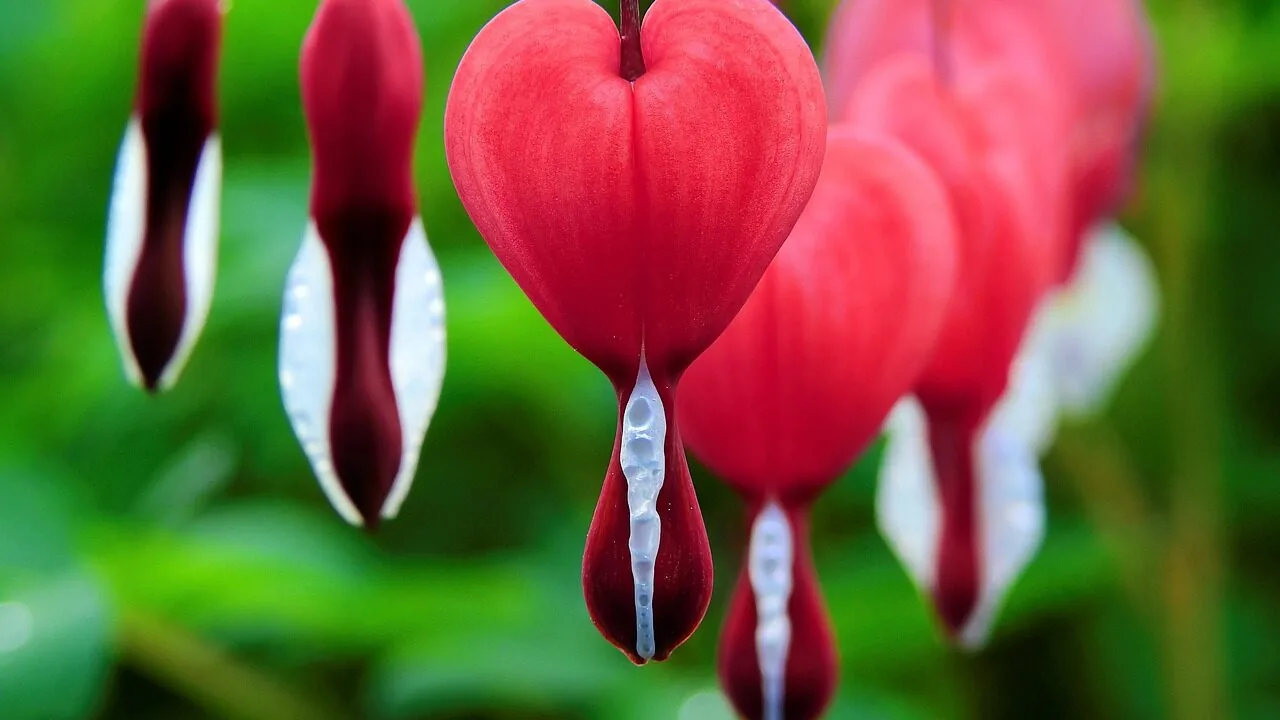
Old-Fashioned Bleeding Heart stands as an elegant alternative to trendy gift plants. This dainty perennial (Lamprocapnos spectabilis) bloomed in 19th-century gardens and thrives in shade zones 2-9. Heart-shaped flowers dangle from graceful arching stems in early spring and early summer. Plant in partial to full shade, pair with hostas or ferns, and cut back foliage as it withers in summer warmth. The plant returns reliably each year.
Oakleaf Hydrangea (H. quercifolia) grows slowly but steadily, reaching 4-8 feet with distinctive oak-shaped foliage. Snow-white flowers fade to soft antique rose, delivering long-lasting color. Unlike trendy hydrangeas prone to heat damage, this North American native actually improves under stress. It tolerates drought and heat better than mophead varieties once established in zones 5-9. Well-draining, acidic soil and thick mulch support its success.
Purple Coneflower (Echinacea purpurea) brings bright, untrending color to midsummer gardens. These species plants are tougher than recent hybrids and give wildlife direct access to nectar and seeds. They flower from midsummer through the entire growing season in zones 3-8. Simply plant in full sun with well-draining soil. Deadheading early summer blooms encourages extended flowering, while leaving fall seed heads intact feeds winter goldfinches.
Common Lilac (Syringa vulgaris) has anchored cottage gardens for centuries with fragrant purple blooms in May. This shrub grows to 16 feet tall and lives for decades, routinely outlasting the gardener who planted it. Hardy in zones 3-7, it needs just 6 hours of daily sun and loamy soil. Prune within two weeks after flowering to preserve next spring’s blooms.
Peony plants rank among the oldest cultivated species, grown in Asian gardens for thousands of years. They produce heavily scented blooms from delicate singles to ruffled doubles, bringing unmatched luxury. Remarkably long-lived, peonies can thrive for over a century. They require at least six hours of sun, wind protection, and deep fertile soil in zones 3-8. Established peonies need minimal maintenance beyond monitoring for powdery mildew.
Nasturtiums offer vibrant, long-flowering color without demanding attention. These cottage garden classics feature bright bugle blooms and reseed readily in warm zones. When planting nasturtiums, quality gardening gloves make soil preparation more comfortable. They thrive in poor, lean soils where other ornamentals struggle, making them ideal for compacted or heavy clay sites. Heirloom varieties provide elegant alternatives to standard orange shades.
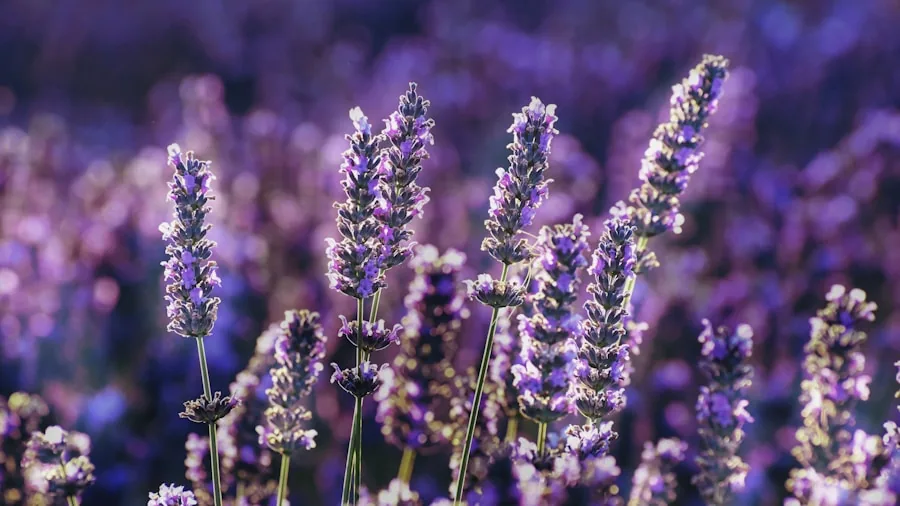
Lavender delivers structured elegance without gimmicks. English varieties like Hidcote and Munstead offer compact, hardy growth for borders and pathways in zones 5-10. Lavandins like Phenomenal resist humidity, winter dieback, and root rot while producing fragrant flower spires. Plant in full sun with sharply draining soil. Cut back stems by one-third after blooming to maintain a tight mound, then enjoy years of carefree growth.
Building Your Forever Garden
Raised garden beds work excellently for establishing these timeless plants with controlled soil conditions. Select resilient, time-tested varieties and watch them mature into an inviting, high-end landscape that improves with every passing year. These plants deliver the curb appeal of trendy ornamentals without the stress, cost, or constant replacement cycles.
By choosing classics over fads, you’re making an investment in decades of effortless beauty. Your garden becomes a refuge rather than a project, a space that grows more beautiful and established as time passes. That’s the real luxury: planting once and enjoying forever.


Write Your Review
No reviews yet. Be the first to share your experience!