

Toyota Confirms Celica’s Return as a Rally Competitor
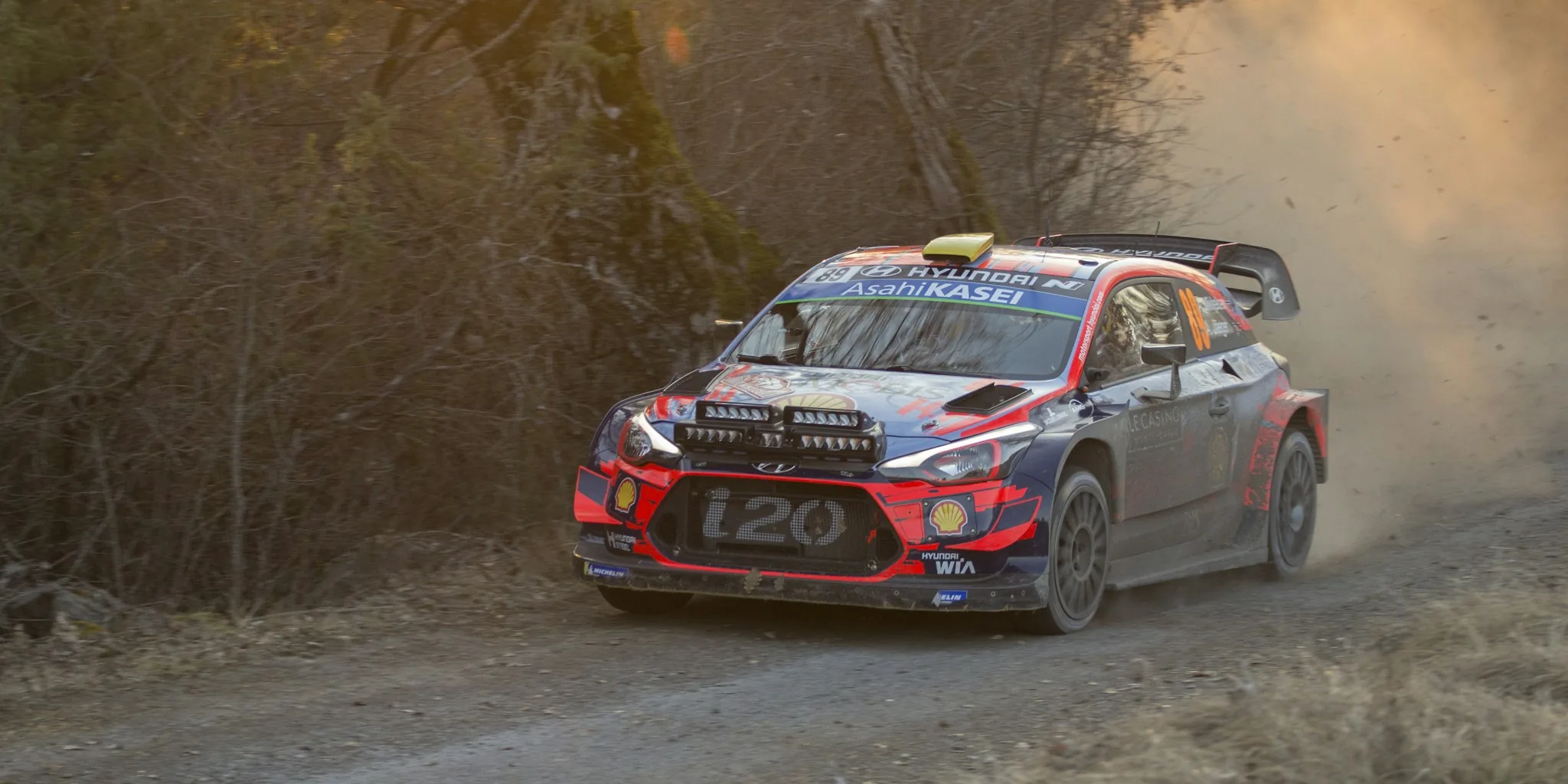
Toyota has officially announced plans to field a new GR Celica race car in the 2027 World Rally Championship, marking the return of an iconic nameplate. The Japanese automaker will enter two separate racing teams competing at the top Rally1 level: Toyota Gazoo Racing will continue with the GR Yaris, while a newly formed team called Toyota Racing will debut the GR Celica rally car. This announcement signals Toyota’s commitment to building exciting, driver-focused vehicles even as the automotive market shifts toward electric and hybrid powertrains.
What the Rally Car Means for Road Car Development
The racing version will compete using a standardized control chassis that all Rally1 teams must adopt starting in 2027, along with a turbocharged 1.6-liter four-cylinder engine adapted from the Rally2 class. This regulatory change means the race car will share nearly identical mechanical foundations with the GR Yaris Rally1, differentiated mainly by exterior styling. Toyota has cleverly used these new regulations to accelerate development of the race car while keeping production costs manageable.
However, don’t expect to buy a new Celica on the showroom floor anytime soon. While the rally car launches in 2027, Toyota has indicated that the street-legal version remains several years away. According to the company, the production Celica will have little in common with its racing counterpart underneath, suggesting a completely different engineering approach for consumers.
Uncertain Timeline and Powertrain Options
Multiple rumors surround the production Celica’s final specifications. Some reports suggest a mid-engine layout that could also underpin a returning MR2 sports car, though this platform won’t be ready until closer to 2030. Other speculation points to a more traditional front-engine design that would honor the original Celica’s heritage. Notably, the rally car itself uses a front-mounted engine, which provides a hint about one possible direction.
Additional uncertainty surrounds the powertrain. Toyota is developing a turbocharged 2.0-liter four-cylinder engine coded G20E that could generate over 400 horsepower for future performance vehicles. Some industry sources have suggested the production Celica might even arrive as an all-wheel-drive hybrid, though nothing has been officially confirmed. Without concrete details from Toyota, shoppers should prepare for a wait of at least three to four years before any Celica variant reaches dealerships.
What This Means for Car Shoppers Today
For enthusiasts hungry for news about Toyota’s return to the sports car segment, this announcement represents genuine momentum. The company has publicly committed resources to a beloved nameplate, and the racing program serves as both a development laboratory and a marketing platform. This level of investment suggests Toyota takes the Celica’s comeback seriously.
Current Toyota buyers looking for performance options have limited choices. The latest Supra has been discontinued, and the brand’s performance lineup has shrunk considerably. The Celica’s eventual return could fill that gap, offering an affordable entry point into Toyota’s performance stable. Make sure your vehicle is properly maintained with quality car batteries and accessories in the meantime.
From a practical standpoint, shoppers should not anticipate the production Celica influencing purchasing decisions for at least the next two to three years. The 2027 rally program is primarily a marketing and engineering exercise. Those interested in a modern Toyota sports car will need to explore alternative options or consider the used market for classic Celicas until the new generation arrives.
The Bigger Picture for Automotive Enthusiasts
Toyota’s dual-team rally entry demonstrates how manufacturers are navigating the transition toward more sustainable vehicles while maintaining their enthusiast credentials. The new Rally1 regulations allow teams to race cars without corresponding road versions, giving manufacturers flexibility in development cycles. However, Toyota has chosen to pursue both a race car and a future production model, reflecting genuine interest in keeping the Celica brand alive.
The timeline remains ambitious but realistic. With rally competition beginning in 2027 and road car development still in early stages, Toyota will have real-world performance data to inform consumer models. Consider investing in practical accessories like car chargers for your current vehicle while awaiting news about what powers the new Celica.
Ultimately, this announcement signals that Toyota hasn’t abandoned the driver-focused sports car market entirely. For buyers who cherish spirited driving and Japanese engineering heritage, the returning Celica offers hope that manufacturers still value these qualities even in an era dominated by SUVs and crossovers. Keep monitoring Toyota’s official announcements for concrete specifications and availability windows.





Write Your Review
No reviews yet. Be the first to share your experience!