

Forced Labor Enforcement Is Coming for Coffee
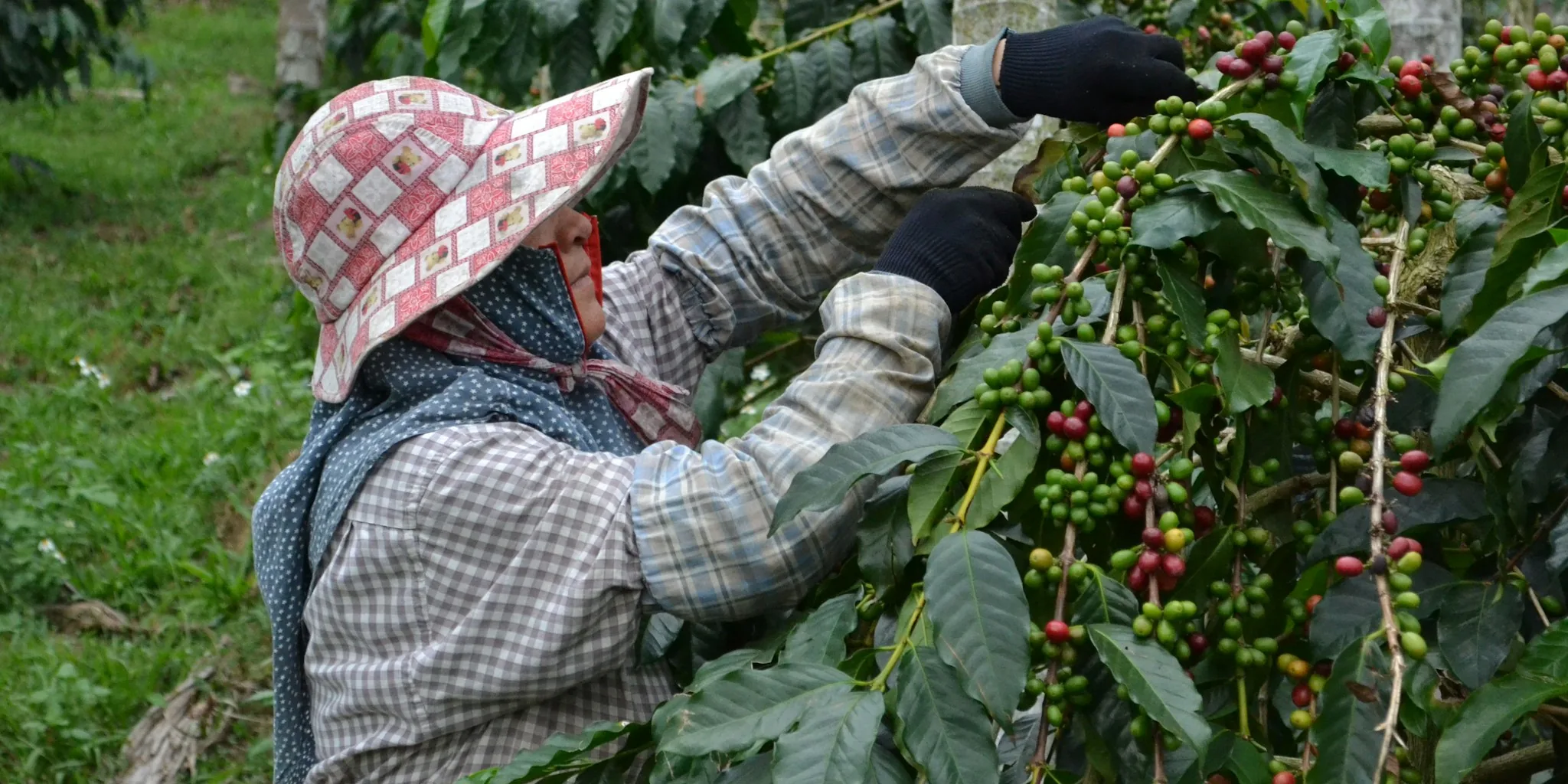
For years, many coffee companies treated forced labor import bans as a distant regulatory concern that would never seriously affect their operations. That mindset is now outdated. The U.S. Customs and Border Protection agency issued its first import ban targeting the coffee sector earlier this year, signaling a major shift in how governments monitor and enforce labor standards in global coffee supply chains. At the same time, the European Union is rolling out its own forced labor regulation next year, joining other nations in adopting stricter oversight.
These aren’t isolated incidents. Rather, they represent a sweeping global movement toward holding companies accountable for working conditions throughout their supply chains. For coffee traders, roasters, retailers and brands, these new rules mean real financial and operational consequences. A single shipment flagged for forced labor links can be held at the border, disrupting inventory, delaying sales and triggering legal expenses, lost revenue and damaged customer trust. The reputational fallout alone can be severe.
What Forced Labor Bans Mean for Your Coffee
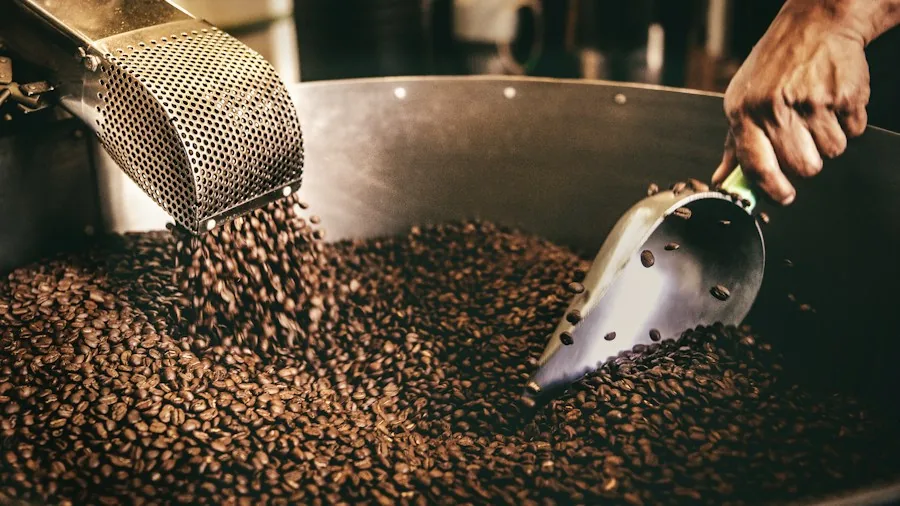
The practical impact on coffee shoppers and businesses is significant. When a shipment gets detained due to forced labor concerns, the entire supply chain feels the ripple effects. Coffee companies may face empty shelves, delayed product launches and increased prices as they scramble to find alternative sources and address compliance gaps. Investors and consumers are watching more closely too, so brands that fail to demonstrate strong labor practices face public scrutiny and potential boycotts.
What makes this particularly challenging is that forced labor risks are often invisible in extended supply chains. Traditional oversight methods like audits, certifications and media monitoring frequently miss red flags. Forced labor tactics such as deceptive recruitment, excessive overtime, debt bondage and wage theft can persist in regions with weak civil society oversight and limited government transparency. Surface-level inspections simply cannot detect these problems, especially when workers fear reprisal for speaking openly.
To defend against an import ban, companies need credible evidence proving their products were produced without forced labor. By the time a shipment is seized, it’s far too late to build that proof. This reality is pushing major players in the coffee industry to overhaul their compliance systems now.
Building Stronger Supply Chain Accountability
Governments worldwide are sending one clear message: coffee companies must develop robust human rights due diligence systems and equip their suppliers to do the same. This means more than checking boxes. Companies need to invest in field-based research, confidential worker interviews conducted off-site and partnerships with trusted local organizations that can identify labor abuse risks before they escalate.
Coffee buyers also need to examine their own practices. The prices they offer, production timelines and volume expectations can inadvertently push farmers and workers into dangerous situations. When payment is too low or schedules unrealistic, suppliers may resort to exploitative labor practices to meet demands. Quality coffee makers begin with ethically sourced beans, so the responsibility runs upstream from retail all the way to farm level.
Effective due diligence systems aren’t built overnight. Companies must identify the most serious risks, support sustained remediation and maintain ongoing monitoring. The beans in your grinder today are the product of supply chain choices made months or years earlier, reinforcing why long-term commitment matters more than one-time compliance checks.
What This Means for Consumers
For shoppers, these regulatory shifts should translate into better labor practices and more transparent sourcing. As companies invest in human rights due diligence, they’ll be able to verify that their coffee was produced without exploitation. Brands willing to shoulder the cost of proper oversight and fair payment to suppliers may become your most trustworthy options.
The trend also signals that forced labor enforcement will only intensify. Coffee is no longer exempt from regulatory scrutiny, and other agricultural products will likely follow. Consumers who care about ethical sourcing can accelerate this shift by supporting brands that openly discuss their supply chain practices and worker protections.
Industry experts recommend starting with practical toolkits designed for agricultural sectors, including those specifically addressing forced labor and child labor risks in coffee production. Even single-serve coffee systems now carry responsibility for ethical sourcing. Companies serious about compliance are moving proactively rather than reactively, understanding that legal requirements and commercial expectations will only grow stricter.
The takeaway is straightforward: coffee industry leaders that invest now in meaningful supply chain oversight will protect workers, maintain market access and protect their reputation. For consumers, this shift means more information, greater accountability and coffee sourced with genuine commitment to labor rights.




Write Your Review
No reviews yet. Be the first to share your experience!