
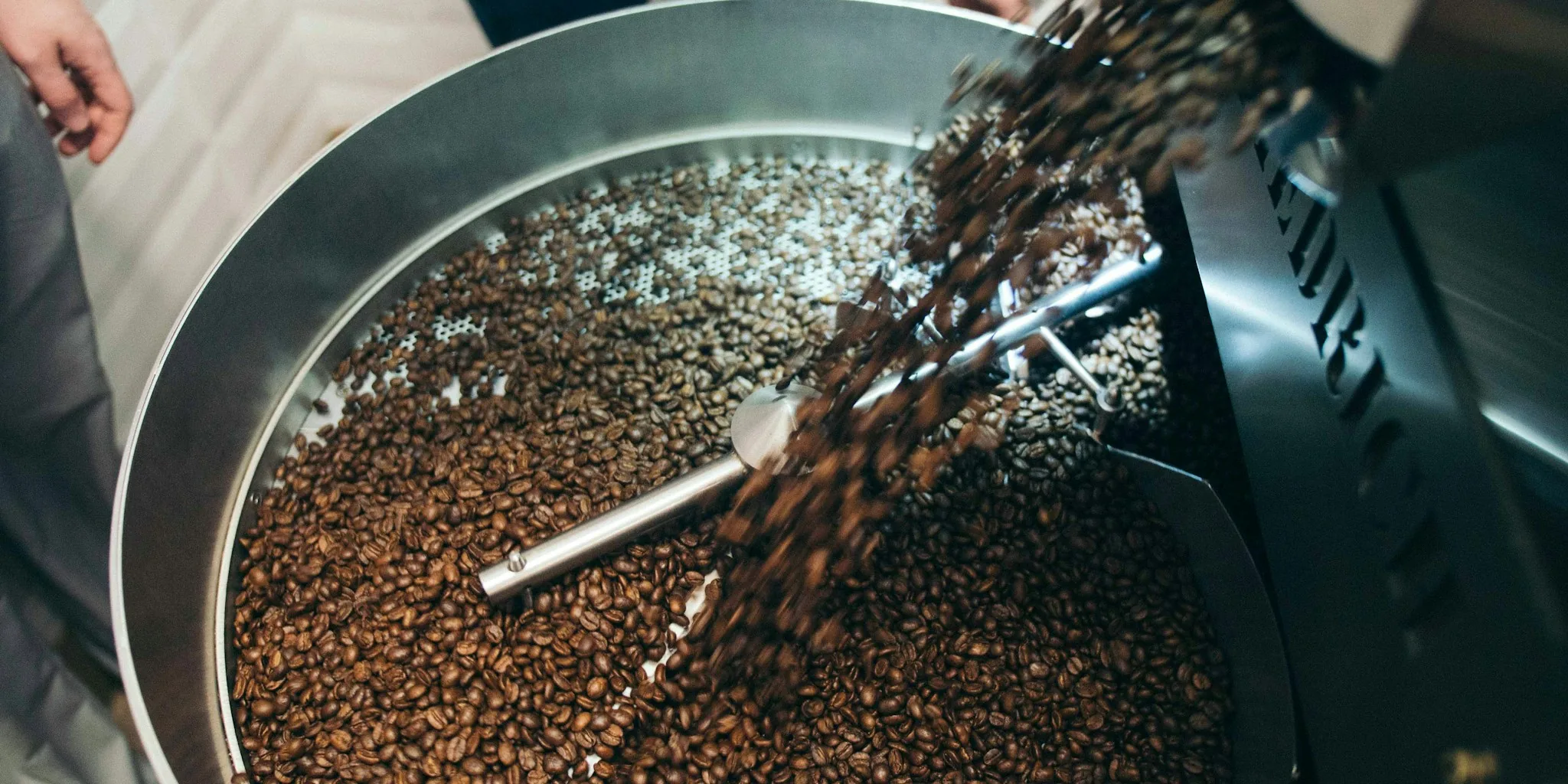

The used coffee roaster market is experiencing rapid growth, and for small roasteries and cafes looking to invest in equipment without breaking the bank, this shift offers both opportunity and risk. Recent marketplace data shows that used roaster sales jumped dramatically over the past year, signaling that buying secondhand equipment has become a mainstream path for businesses ready to bring roasting in-house.
The Used Roaster Market is Booming
Demand for previously owned roasting equipment has accelerated far beyond what many buyers expected. Between January and August 2025 compared to the same period in 2026, the number of roaster units sold surged from six to 44 units, representing a 633 percent increase. That growth extended across the entire market, with store-wide transactions rising 80 percent and completed sales climbing 94 percent. The medium-weight category (5-kilogram to under-20-kilogram machines) showed the most dramatic shift, moving from zero units sold in early 2025 to 16 units by the same months in 2026.
What does this mean for shoppers? Strong and consistent demand throughout the year shows that high-quality used machines are not limited to seasonal windows. Good equipment surfaces regularly across all months, meaning buyers can start their search without waiting for an artificial buying season.
Where the Market is Concentrated
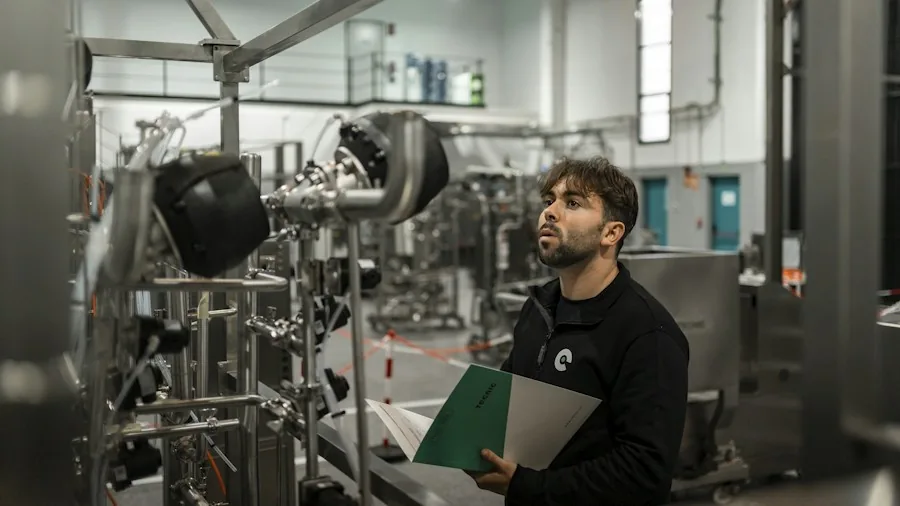
The vast majority of used roaster sales cluster in two price bands. The budget category (under $10,000) and the mid-range band ($10,000 to under $50,000) account for nearly all transaction volume. Industrial-tier machines ($100,000 and up) remain rare, with only one unit sold during the tracking period. This pattern reveals that most buyers seeking used equipment are small operators or specialty cafes, not large industrial facilities.
The average used roaster sells below its new equivalent price, which makes this market attractive for cost-conscious business owners. However, that discount comes with trade-offs that savvy buyers need to understand before committing.
The Hidden Risks Behind the Bargain
A new roaster arrives with a manufacturer’s warranty and customer support backing it. A used machine does not. This absence of safety net is the core reason why buyers must approach used equipment purchases with greater scrutiny and planning than they might for new machines.
The most reliable used roasters share several characteristics. Sellers who provide documented maintenance records offer strong evidence that a machine has been properly cared for. Physical inspection matters enormously: rust, cracks in the drum or outer casing, and visible wear are red flags. For older or discontinued models, parts availability can become a serious problem down the road. Buyers should also budget for potential compliance upgrades if older machines need emissions or electrical updates to meet current regulations.
Key Questions Every Buyer Must Ask
Experienced buyers consistently ask themselves the same questions before signing off on a purchase. Will the machine require expensive repairs soon after purchase, or will it run reliably for years? Can the seller demonstrate that the equipment actually works, ideally through a live test roast or credible video? Are replacement parts and service manuals still available, and does the brand have a solid reliability reputation? Who will install the equipment and provide ongoing maintenance support? Understanding your own mechanical skill level matters too, since used ownership often requires more hands-on troubleshooting than new equipment.
Right-sizing capacity is crucial as well. Buying a larger roaster in hopes of future growth often leads to overcomplicated workflows and wasted investment. Understanding your current volume needs and production goals will help guide machine selection. Physical logistics also require planning: moving a roaster involves careful coordination around rigging, doorways, gas hookups, and ventilation systems. These installation costs can surprise buyers who didn’t budget for them early.
A Proven Process for Confident Buying
Rather than approaching a used roaster purchase impulsively, follow a structured sequence. Start by requesting maintenance records from the seller, as these reveal far more about true equipment condition than almost any other single factor. Next, hire an independent technician to inspect the machine before you commit any money. This unbiased assessment catches problems while they remain small and fixable. Budget early for hidden costs like freight, installation labor, and any compliance updates the machine might require. Finally, remain flexible with timing since quality machines emerge throughout the year, not just in peak months.
This systematic approach protects your investment and reduces the chance that your roaster becomes a money pit rather than a productive business asset. As more buyers complete transactions and market data accumulates, the path to purchasing used equipment grows clearer and more accessible for first-time roaster buyers.




Write Your Review
No reviews yet. Be the first to share your experience!